The Navis Freebird is Black Crows’ 102 mm free-tourer aimed at everyday backcountry missions. With a progressive front rocker, classic camber, and a supportive, slightly tapered tail, it blends uphill efficiency with confident, alpine-style carving on the way down.
Bottom line
A predictable, do-it-all touring ski with real edge hold and enough composure for typical mixed snow. It’s not the bulldozer for refrozen crud nor the featherweight for skimo days, but as a one-ski touring quiver, it hits a rare balance of stability, forgiveness, and fun.
Who is it for?
- Ski tourers wanting one ski for mid-winter powder through spring corn.
- Riders who like a traditional, tip-driven stance and trustworthy tails.
- Anyone prioritizing durability and downhill confidence over absolute gram-counting.
On-snow performance
Powder and soft snow
At 102 mm with progressive tip rocker, the Navis Freebird floats easily without being surfy. The tail is supportive yet releases cleanly when you pivot. It favors medium-long arcs and remains composed as long as you keep a touch of speed in deeper snow.
Chop, windbuff, and refrozen
The carbon/fiberglass mix offers pop with respectable damping for the weight. In hammered, heavy chop, it prefers to dance around rather than smash through. Versus a Blizzard Hustle 10, it’s lighter and more agile but less bulldozer; versus a Blizzard Zero G 105, it’s less demanding, friendlier, and less twitchy.
Firm snow and groomers
Classic camber and a 18–19 m radius translate to honest edge grip and satisfying carves at moderate-to-fast speeds. It won’t out-grip a frontside ski on boilerplate, but for a touring build, the carve-to-weight ratio is excellent.
Steeps and jump turns
The progressive/flat tail inspires confidence for jump turns and anchors. Skin-track security is solid thanks to the tail shape and camber underfoot. In technical terrain, the tail supports you without feeling hooky.
Uphill and efficiency
Around 1700 g per ski in 179 cm, the Navis Freebird is light enough for long days yet substantial enough to feel calm on the descent. It pairs beautifully with lightweight pin bindings; hybrid options like Shift work for 50/50, at the cost of uphill efficiency.
Build, mount, and notes
- Titanal plate underfoot improves screw retention and binding integrity.
- ABS sidewalls with lighter semi-cap tips cut swing weight while protecting the core.
- Recommended mount around -9 cm: classic, directional feel. Move +1 cm forward if you prefer a more centered stance.
- Black Crows Pilus skins are a seamless fit.
- Published weights vary slightly by source; our impressions reflect the typical range.
Pros and cons
- Pros: broad sweet spot; reliable edge hold for a touring ski; supportive, predictable tail; efficient on the skin track.
- Pros: excellent stability-to-weight for a true all-round touring role.
- Cons: not the most damp in heavy, refrozen crud; not ultralight for huge vert days.
- Cons: traditional mount/feel is less ideal for very centered, freestyle stances.
Comparisons
- Blizzard Zero G 105: lighter and torsionally stiffer with superior ice hold; more technical and less forgiving. Navis is friendlier and more versatile day-to-day.
- Dynastar M-Tour 99: lighter and quicker in short turns; less damping and float.
- Black Crows Camox Freebird (~95 mm): more playful and nimble; less float and stability in chop.
- Black Crows Corvus Freebird (107 mm): better for big lines and deep days; heavier and less spring-corn versatile.
Key takeaways
- 102 mm all-round tourer: blends climb efficiency with real carve performance.
- Forgiving yet capable: prefers medium-long turns and measured speed.
- Supportive tail and -9 cm mount: classic, confidence-forward feel.
Specs (what they mean for performance)
- Rocker profile: tip rocker + camber + progressive tail — easier float and turn entry with strong edge hold and energy underfoot.
- Widths: tip 136–139 mm / waist 102 mm / tail 116–120 mm — 102 mm is a do-it-all touring width; mild taper helps release in variable.
- Sidecut radius: 18–19 m — natural, medium-long turn shape without feeling locked in.
- Weight: approx. 1550–1775 g per ski (167–185) — balanced for efficient climbs and composed descents.
- Lengths: 167 / 173 / 179 / 185 cm — size down for tight terrain, size up for stability and float.
Frequently asked questions
Q: What length should I choose for the Navis Freebird?
A: Most skiers should go near their height or +1 for more stability and float. If you tour mostly in tight trees or steep skin tracks, sizing down one step improves maneuverability.
Q: What bindings pair best?
A: For touring-first setups, lightweight pin bindings (ATK Raider, Marker Alpinist, Salomon/Atomic MTN) are ideal. For 50/50 use, Shift/Kingpin are viable but reduce uphill efficiency.
Q: How does it compare to the Zero G 105?
A: Zero G is lighter and stiffer with stronger ice hold, but more demanding and nervous. The Navis Freebird is smoother, more forgiving, and easier in mixed snow.
Q: Is it good for resort days?
A: It can handle some inbounds, but the construction is optimized for touring. If you ski mostly lifts, consider a heavier, damper ski or the alpine Navis.
The neighbourhood
its nearest skis on the map, by character — not by brandQuestions & opinions
User reviews
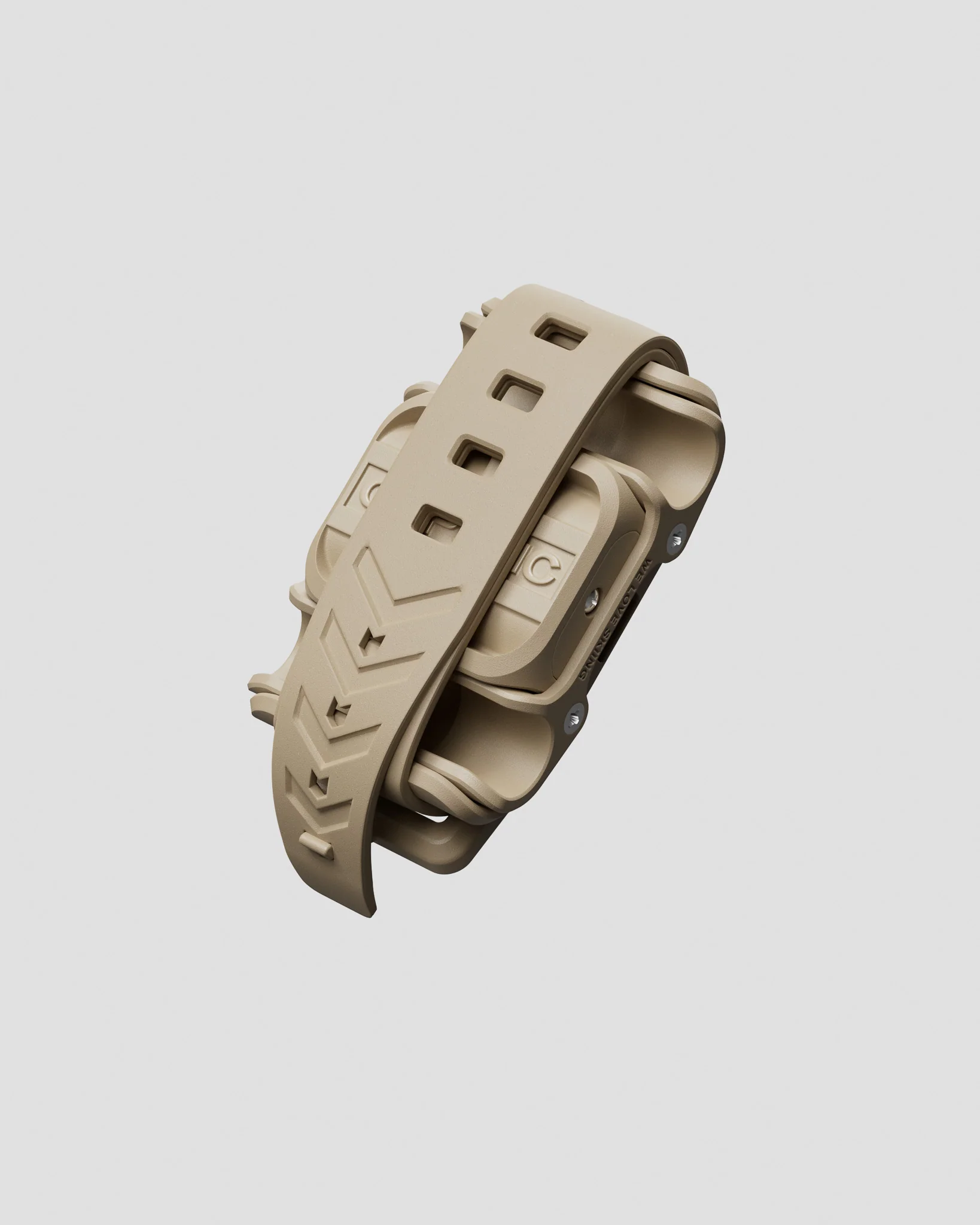
Missing a hand while carrying ski gear?
A friend of mine created Clipstic, the easy way to attach your poles to your skis! Using this link you get 10% off as well as support for Pick-a-ski!
Check it out!Not sure the Navis freebird is your ski?
Answer a few quick questions and the ski selector matches you with the right skis from 800+ models — free, no sign-up.