A playful, confidence‑building junior twin‑tip for ages roughly 7–13, the Black Crows Junius Birdie blends double rocker with friendly flex and short turn radii to make learning, carving, and dabbling in freeride/park easy and fun.
Key takeaways
- Forgiving and fun: double rocker and soft flex help kids pivot, smear, and ski switch.
- Quick, easy turns: short, size‑specific radii encourage fast edge‑to‑edge transitions.
- True all‑mountain intent: twin‑tip shape works on groomers, in trees, bumps, and light powder.
- Lightweight for youth: easier to steer, less fatigue during long days.
- Limited top‑end: not as damp or precise on ice and at speed as stiffer, narrower piste skis.
Who is it for?
- Beginners to lower‑intermediate kids who want an easy platform to progress across the whole mountain.
- Young skiers who like to explore side hits, small jumps, trees, and fresh snow without feeling punished.
- Parents seeking a durable, light, junior‑specific ski that kids won’t outgrow in one season.
If your child focuses on hard‑snow carving and high‑speed stability, a more piste‑oriented junior ski may be better. If you value versatility and playfulness, the Junius Birdie is right on the money.
On‑snow performance
- Groomers and carving: the medium/classic camber underfoot provides grip and snap. The short radius makes stringing together tidy, controlled turns effortless. On hard, icy mornings, edge hold is adequate for daily use, though less tenacious than a stiffer, narrower carver.
- Bumps, trees, and cut‑up snow: soft flex plus double rocker = easy pivoting and speed control. Kids can scrub speed and redirect quickly without getting bounced around.
- Soft snow and powder: the rockered tip and slightly wider platform keep it riding higher than typical junior carvers—great for playful off‑piste laps.
- Park and switch: twin‑tip shape and centered balance make small jumps, 180s, and switch takeoffs less intimidating. It’s not a burly park ski; it’s a super‑friendly one.
Construction & design
- Twin‑tip shape with ABS sidewalls for bite and durability along the edges.
- Semi‑cap/composite layup featuring PU (polyurethane) + fiberglass (some years wood + fiberglass) for a light, forgiving flex.
- Double rocker with classic/medium camber underfoot: easy turn entry/release with enough rebound to carve.
- Recommended mount around −5 cm: intuitive pivoting without feeling overly twitchy.
Specs and what they mean
- Rocker profile: double rocker (rockered tip and tail) with classic/medium camber underfoot. Easier turn initiation, better maneuverability, and improved soft‑snow behavior.
- Dimensions (tip/waist/tail): about 108–116 / 76–86 / 100–106 mm by size. A bit wider than pure piste juniors, adding stability off‑trail without feeling sluggish.
- Turn radius: roughly 5–11 m depending on length. Short radii = quick, confidence‑boosting turns for kids.
- Weight: approximately 875–1375 g per ski (some retailers quote 1750–2750 g per pair). Low weight reduces fatigue and helps with agility.
- Available lengths: 101.1 / 111.1 / 121.1 / 131.1 / 141.1 cm. Longer = more stability; shorter = more maneuverability.
Sizing & setup tips
- Length choice: chin‑to‑nose height works for most. Confident or heavier kids can go nose‑to‑forehead for more stability and room to grow.
- Mount point: start at the recommended −5 cm for balanced handling.
- Tuning: a light detune at the tips/tails reduces hookiness and enhances pivoting (especially for newer skiers).
Comparisons & alternatives
- Salomon QST Lumen Jr/QST Jr: a touch more directional and often more composed at speed; less of the looseness/play of a true twin‑tip like the Junius Birdie.
- Line Tom Wallisch Shorty / Atomic Punx Jr: park‑leaning with a bit more backbone underfoot; better for rails/jumps, less float in soft snow.
- Rossignol Experience Pro Jr: narrower, on‑piste focused with strong edge hold; far less fun off‑trail.
- Völkl Revolt Jr: similar twin‑tip concept with slightly more stiffness—more stable, less forgiving for total beginners.
Potential drawbacks
- Top‑end stability and bite on boilerplate are limited compared with stiffer, narrower junior skis.
- Strong or heavier kids may outgrow the soft flex sooner.
- As a playful all‑mountain tool, it prioritizes maneuverability over precision.
Frequently asked questions
Q: What size Black Crows Junius Birdie should I buy?
A: Aim for chin‑to‑nose height for most kids. Size up toward nose/forehead for added stability and growth, or down for maximum maneuverability. It’s a forgiving ski, so a bit longer often works well.
Q: How does the Junius Birdie handle icy conditions?
A: The classic camber offers decent grip, but double rocker and a soft flex limit trench‑like edge hold on true ice. For everyday all‑mountain use, it’s fine; on boilerplate, narrower, stiffer skis will hold better.
Q: Is it suitable for beginners?
A: Yes. Low weight, soft flex, short radius, and a twin‑tip shape make learning to turn, control speed, and ski switch very approachable. It remains fun as skills progress.
Q: How is the Birdie different from the standard Junius?
A: The Birdie is essentially the same ski with a different, typically “girls”‑inspired graphic. Shape, intent, and performance are shared: playful junior all‑mountain/freeride.
Verdict
The Black Crows Junius Birdie is a standout choice for kids who want to try everything—carving, side hits, trees, and the first powder days. Light, playful, and predictable, it trades a bit of high‑speed authority for all‑day fun and progression. If you’re after a junior twin‑tip that builds confidence and creativity, this is it.
The neighbourhood
its nearest skis on the map, by character — not by brandQuestions & opinions
User reviews
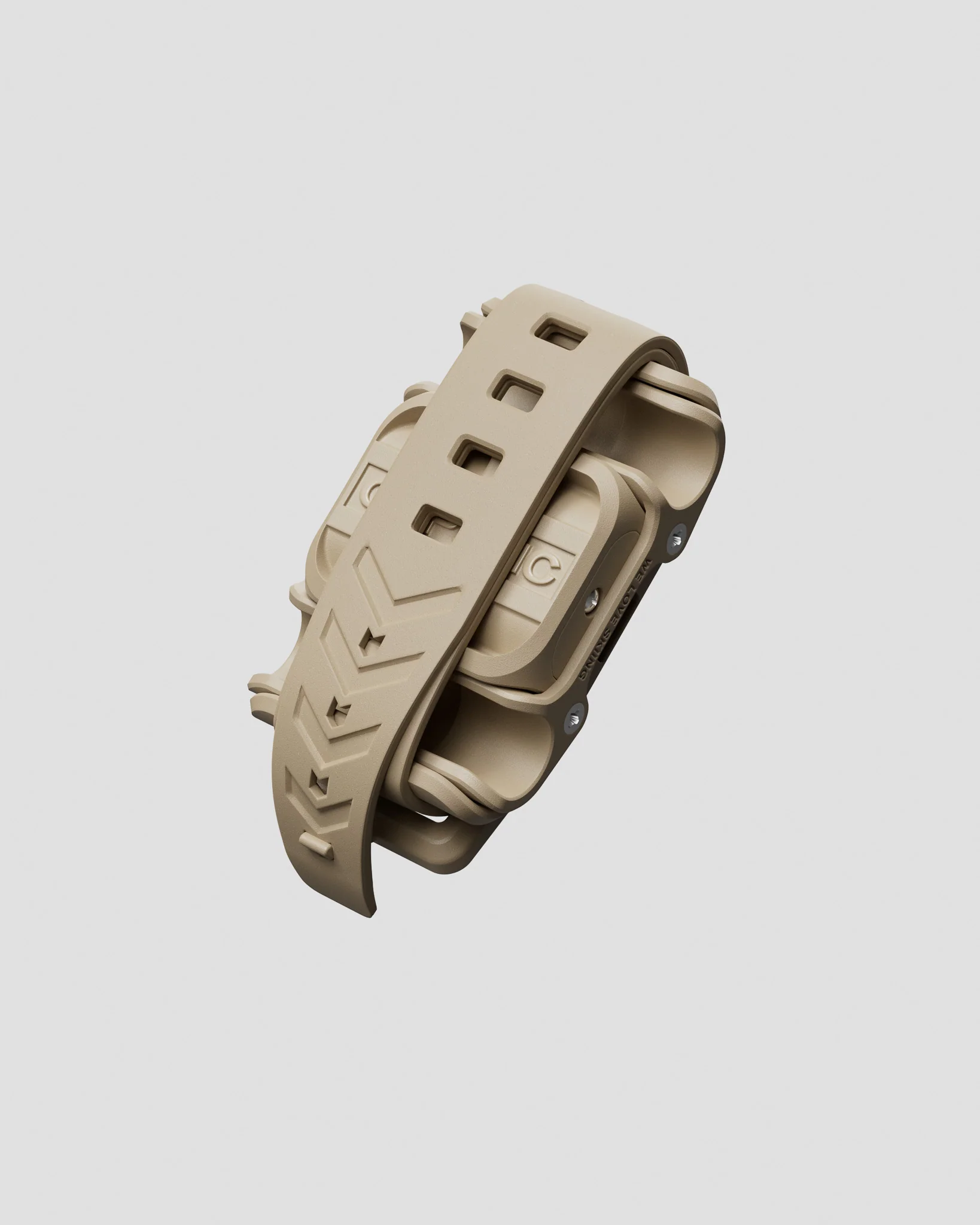
Missing a hand while carrying ski gear?
A friend of mine created Clipstic, the easy way to attach your poles to your skis! Using this link you get 10% off as well as support for Pick-a-ski!
Check it out!Not sure the Junius birdie is your ski?
Answer a few quick questions and the ski selector matches you with the right skis from 800+ models — free, no sign-up.