Shift 13 review
Comprehensive Atomic Shift 13 review: hybrid tech‑to‑alpine binding with DIN 6–13, long toe elasticity, and 90–120 mm brakes. Pros, cons, setup tips, and fit.
Chassis
hybrid · alpine touringThe Atomic Shift 13 remains the benchmark for skiers who want one setup to tour efficiently and charge hard on the way down. It climbs on tech pins, then locks into a true alpine interface for the descent—bridging the gap between lightweight tech and full‑resort performance.
Key takeaways
- Hybrid concept: tech toe uphill, full alpine retention downhill.
- Long toe elasticity (~47 mm) keeps you in during impacts and choppy snow.
- MNC compatibility across boot norms; needs full toe/heel lugs for alpine mode.
- Not ultralight: about 1760 g/pair—lighter than frames/Duke PT, heavier than pure tech.
Who it’s for (and who it isn’t)
- Ideal for: 50/50 resort‑tour riders, freeride days, powder missions, and anyone who wants alpine confidence without swapping bindings.
- Not ideal for: gram counters and very long vert days—consider lighter tech options (ATK/Dynafit/Marker Alpinist).
On‑snow performance
- Uphill: efficient pivoting on pins with two riser heights (~2°/10°). Step‑in is generally smooth but can require clearing snow/ice from the toe pieces.
- Downhill: it skis like a legit alpine binding. The long toe elasticity soaks up hits; the 6–13 DIN range covers strong all‑mountain skiers. Power transfer is direct thanks to the low profile and wide platform.
Usability and durability
- The Hike & Ride switch is intuitive, and brakes lock reliably in tour mode. Step‑in can be a bit fiddly in deep snow; keeping the toe clean helps.
- Carbon‑infused polyamide chassis balances stiffness and weight; metal where it matters. TÜV‑tested components inspire confidence for regular resort use.
Specs explained
- Type of binding (Hybrid): switches between tech touring and full alpine ski mode—one binding for mixed days.
- DIN value (6–13): adjustable release setting for intermediate to aggressive skiers; match to weight/ability.
- Elastic travel (Toe ~47 mm, Heel ~9 mm): absorbs shocks to reduce pre‑release, especially in variable snow.
- Brake width (90/100/110/120 mm): choose near your ski waist or up to ~15 mm wider to avoid drag or overhang.
- Weight (~1760 g/pair): light versus frames/Duke PT, heavier than minimal tech for big missions.
- Compatibility (ISO 5355/9523/23223, WTR): MNC works with Alpine, GripWalk, and most touring soles; alpine mode requires full toe/heel lugs.
- Materials (Carbon‑PA, aluminum, steel): blend of low weight, stiffness, and durability.
Comparisons
- Marker Duke PT 12/16: more alpine‑like in concept and higher DIN option, but much heavier and fussier for touring. Shift is simpler and climbs better.
- Fritschi Tecton 13: lighter with excellent downhill for a tech binding, but less “alpine toe” feel than Shift.
- Marker Kingpin 13: similar weight and touring manners; Shift offers a true alpine toe in ski mode and longer toe elasticity.
- Pure tech (ATK/Dynafit/Alpinist): far lighter for long tours, but with less alpine‑binding damping and elasticity.
Potential drawbacks
- Heavier than pure tech for big vertical days.
- Step‑in and mode changes can be finicky with ice; periodic cleaning helps.
- Only two riser heights; a mid option would be nice for very steep traverses.
- Not compatible in alpine mode with some ultralight boots that lack full lugs.
Frequently asked questions
Q: Which boots work with the Atomic Shift 13?
A: It’s MNC: Alpine (ISO 5355), GripWalk (ISO 23223), and Touring (ISO 9523). For alpine mode you need full toe and heel lugs; some lightweight boots have shortened lugs that won’t engage.
Q: What brake width should I choose?
A: Aim for your ski waist or up to ~15 mm wider. For a 104 mm waist, the 110 mm brake is ideal. Too narrow can catch; too wide can overhang.
Q: Is the Shift 13 good as my only resort binding?
A: Yes—it skis very close to an alpine binding. A dedicated alpine binding can be cheaper and simpler, but the Shift 13 performs great inbounds and keeps touring on the table.
Q: Are crampons available?
A: Yes, dedicated Shift crampons fit for firm, steep ascents where edge bite matters.
Questions & opinions
User reviews
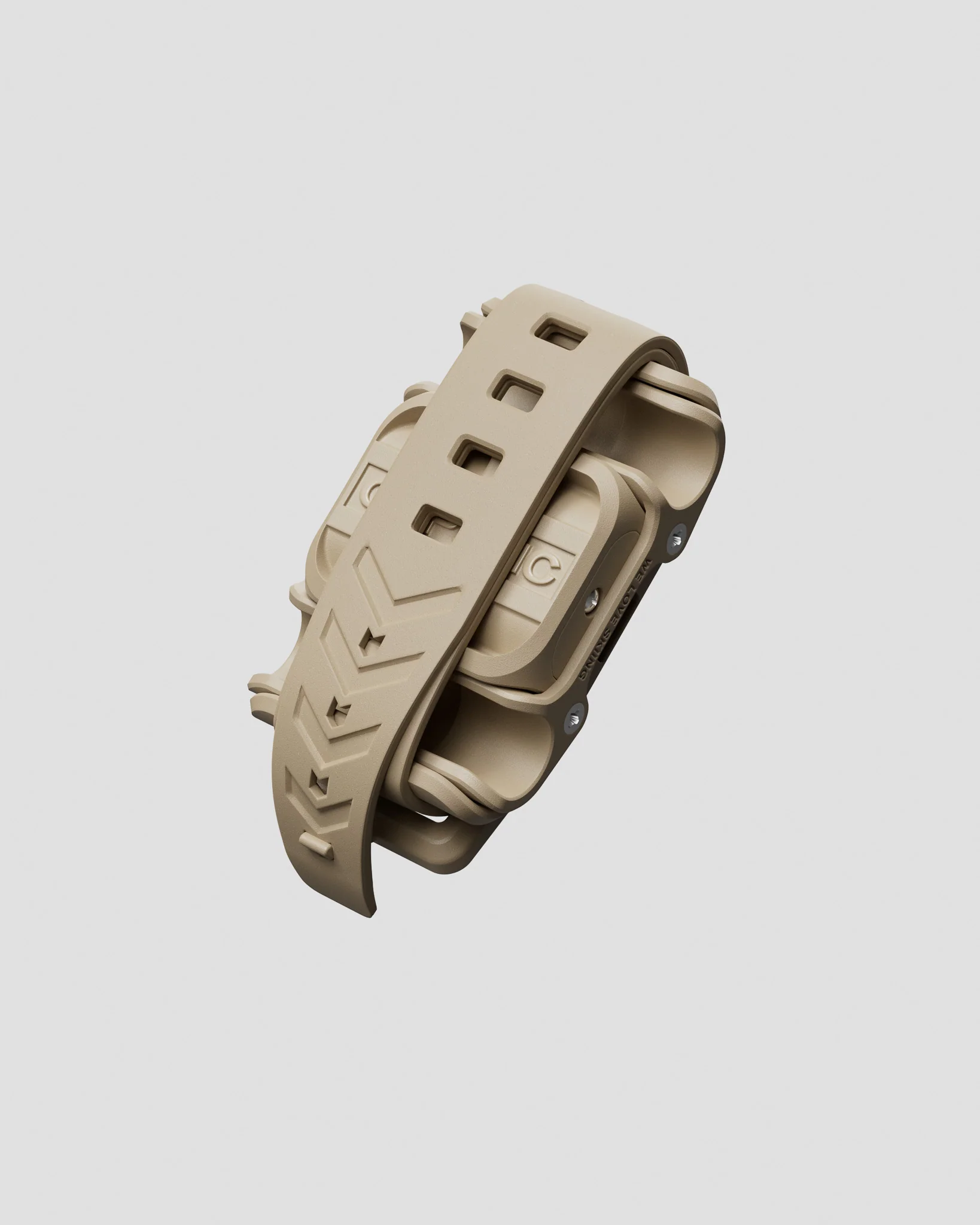
Missing a hand while carrying ski gear?
A friend of mine created Clipstic, the easy way to attach your poles to your skis! Using this link you get 10% off as well as support for Pick-a-ski!
Check it out!