M 10 review
Objective Atomic M 10 GW binding review with DIN 3–10, GripWalk compatibility, step-in ease, weight, brake widths, and who should choose it vs Marker, Tyrolia.
Chassis
alpineOverview
The Atomic M 10 (GW) is a resort‑focused alpine binding built for ease, compatibility, and dependable release for beginner to intermediate skiers. It prioritizes simplicity and value over maximum power transfer or big‑mountain aggression, making it a smart, fuss‑free pick for frontside skiing.
Who is it for?
- Beginners to intermediates who ski primarily on groomers.
- Lighter to medium‑weight skiers with DIN settings below ~9–10.
- Skiers using GripWalk boots who want a hassle‑free setup.
Design and features
- GripWalk compatible: works with ISO 23223 (GripWalk) and traditional Alpine ISO 5355 soles.
- Easy step‑in: smooth heel action and auto toe/wing adaptation ease entry and release.
- Toolless length adjustment (on many rail setups): convenient for dialing in BSL on pre‑mounted packages.
- Commonly pre‑mounted on Atomic entry/all‑mountain piste skis.
On‑snow performance
Within its 3–10 DIN window, the M 10 delivers predictable power and release. The low weight contributes to a nimble, accessible feel. Atomic doesn’t publish elastic travel for this model; that’s fine for mellow resort laps, but aggressive, heavier skiers pushing higher speeds or bigger terrain may want a binding with more elasticity and headroom (e.g., Atomic M 12 GW, Look NX 11 GW, or Tyrolia Attack 11 GW).
Comparisons
- Marker 10.0/Marker M 10 GW: very similar remit and DIN; Marker’s heel can feel slightly snappier, performance is comparable.
- Look NX 11 GW: adds DIN headroom to 11 for developing skiers; a touch heavier.
- Tyrolia Attack 11 GW: burlier platform and typically more elasticity; better for spirited skiing, with added weight and cost.
- Atomic M 12 GW: steps up to DIN 12 and a firmer overall feel for faster skiers.
Specs explained
- Type of binding: Alpine. Built for in‑bounds resort skiing; not for touring.
- DIN/release value: 3–10. Governs retention/release forces; suits lighter/average skiers.
- Elastic travel: Not published. Fine for casual piste use; aggressive skiers often prefer more elasticity.
- Brake width: 80–90 mm (package‑dependent). Choose ~10–15 mm wider than ski waist.
- Weight: ~830 g per binding. Lower weight = easier handling, lively feel.
- Compatibility: ISO 5355 (Alpine) and ISO 23223 (GripWalk). Fits the most common resort boot soles.
- Materials: Plastic housing with steel internals. A balanced mix of durability and low weight.
Pros and cons
- Pros: GripWalk compatible; very easy to use.
- Pros: Light and affordable; ideal for beginners/intermediates.
- Pros: Toolless length adjustment on many rail systems.
- Cons: No published elastic travel; not built for aggressive skiing or big impacts.
- Cons: DIN tops at 10; strong/heavy skiers may outgrow it.
Key takeaways
- Convenience first: step‑in and setup are straightforward.
- Right audience: perfect for frontside beginners to progressing intermediates.
- Room to grow: faster/heavier skiers should consider M 12 GW, NX 11, or Attack 11.
Frequently asked questions
Q: Is the Atomic M 10 GW enough for me?
A: If you’re a beginner or intermediate and your DIN setting is well below 10, the M 10 is a safe, practical choice for piste skiing.
Q: Is it compatible with GripWalk boots?
A: Yes. The M 10 GW works with ISO 23223 (GripWalk) and Alpine ISO 5355 soles.
Q: What brake width should I get?
A: Aim for a brake that’s about 10–15 mm wider than your ski’s waist. For many frontside skis, 80–90 mm is ideal.
Q: What does “elastic travel not published” mean for me?
A: For mellow resort laps it’s rarely an issue. Hard‑charging skiers often prefer bindings with known, higher elasticity (e.g., Attack 11 GW).
Questions & opinions
User reviews
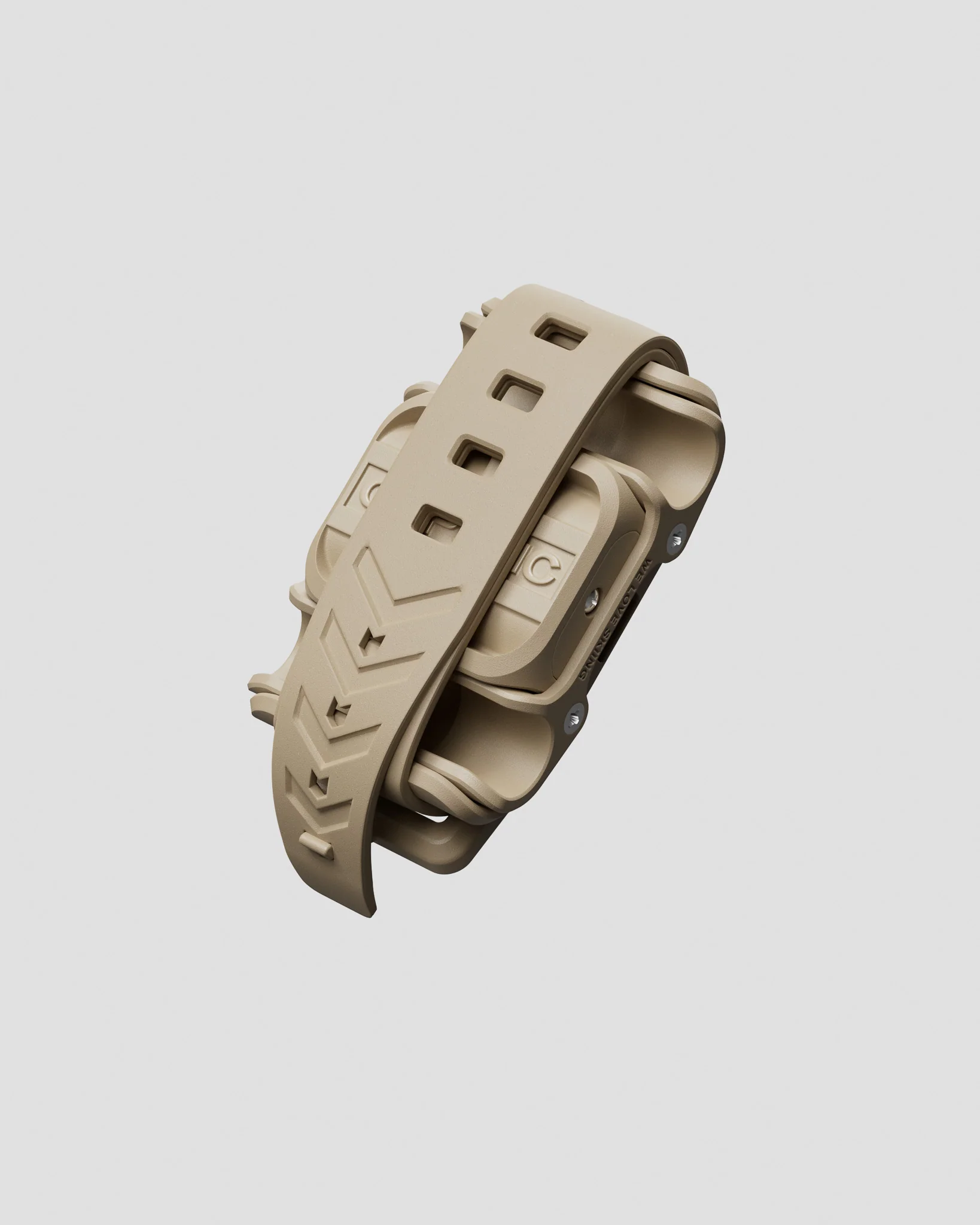
Missing a hand while carrying ski gear?
A friend of mine created Clipstic, the easy way to attach your poles to your skis! Using this link you get 10% off as well as support for Pick-a-ski!
Check it out!