Overview
The Backland 86 UL targets tourers who prize low weight without giving up confidence on the descent. At 86 mm underfoot, it’s a versatile width for mixed winter and spring missions, from big vert days to hut traverses. Despite the grams shaved, the ski feels composed for its class, rewarding clean technique rather than brute force. It’s happiest in firm chalk, corn and settled powder, yet remains manageable in wind buff and light fresh. If you want one touring ski that climbs fast and doesn’t feel nervous on the way down, it sits squarely on the shortlist.
Construction and Specs Explained
An ultra‑light poplar–caruba core and full‑length carbon backbone keep weight to a claimed 970 g per ski at 165 cm, while the Dura Cap sidewall adds bite on edge. The HRZN 3D tip reduces swing weight and adds surface area for planing. All‑Mountain Rocker 15/85/0 means early tip rocker for quick turn initiation, camber for grip and rebound, and a mostly flat tail for support. Sidecut varies by length (about 117–121.5/84.5–86/105–109.5 mm) with a 14–17 m radius, translating to intuitive, medium‑radius turns and predictable tracking.
Uphill Efficiency
On the skin track, the low mass and light swing weight are obvious: you lift less every stride and pivot easily in kick turns. The flat tail plants securely on steep switchbacks, while the cut‑out tip speeds skin attachment. Effective edge is long for the width, aiding sidehill grip on firm morning snow. Compared with burlier 88–90 mm tourers, this ski saves meaningful energy on big days. The trade‑off is less damping; pairing with lighter boots preserves the lively feel, whereas very stiff boots can overpower it on punchy, refrozen traverses.
Downhill Performance
Pointed downhill, early rise helps the tips stay up and smear, and camber underfoot holds an edge on refrozen groomers and steep couloirs. For its weight, it stays surprisingly calm until true resort speeds, then the tips start to flap and feedback creeps in. In 10–20 cm of soft snow it’s playful; in heavy chop or breakable crust it prefers a light touch and precise feet. The mostly flat tail finishes turns cleanly and anchors well in ski mountaineering scenarios, though it’s less forgiving than twin‑rockered shapes in tight, back‑seat recoveries.
Comparisons and Sizing Advice
Versus a Zero G 85, this ski is smoother and easier to release, trading a bit of edge hold on blue‑ice for friendlier manners. Against a Blacklight 88, it’s less torsionally rigid but livelier in soft spring snow. An MTN 86 Pro feels damper yet heavier on the way up. Choose true length if you favor agility; size up for more float and stability on open faces. A 250–300 g tech binding matches the intent; heavier bindings add composure for ski‑area laps. Keep expectations realistic on boilerplate and in set‑up mank.
The neighbourhood
its nearest skis on the map, by character — not by brandQuestions & opinions
User reviews
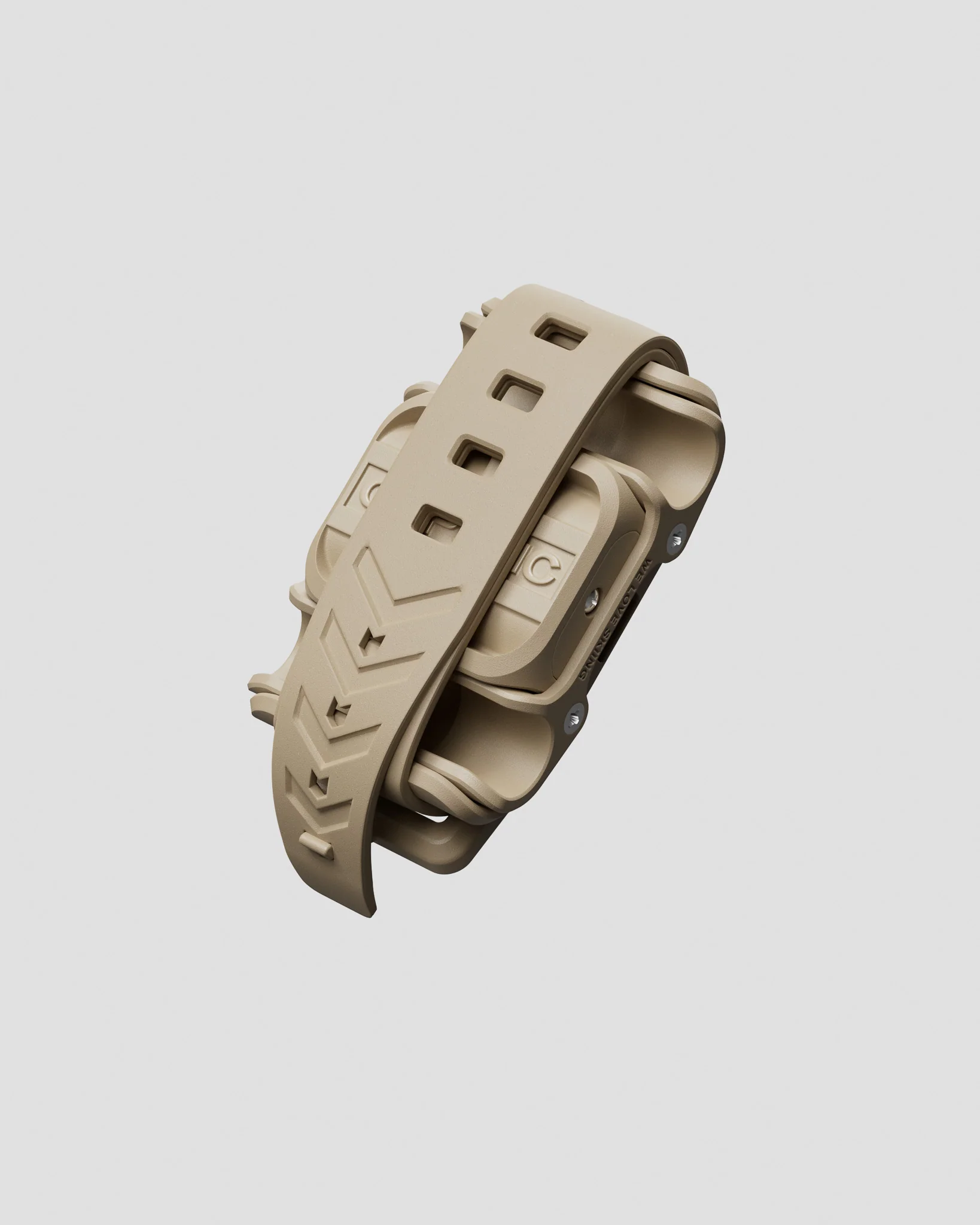
Missing a hand while carrying ski gear?
A friend of mine created Clipstic, the easy way to attach your poles to your skis! Using this link you get 10% off as well as support for Pick-a-ski!
Check it out!Not sure the Backland 86 ul is your ski?
Answer a few quick questions and the ski selector matches you with the right skis from 800+ models — free, no sign-up.