Who it’s for
The Backland 65 UL is a purpose-built tool for skimo racing, FKTs, and fast-and-light missions where every gram matters. At roughly 670 g per ski in 161 cm, it rewards efficient technique and fitness while remaining predictable enough for consequential terrain. Its narrow 65 mm waist and directional shape prioritize speed on the way up and precision on the way down. If your priorities lean toward powder surf and playful slashes, look elsewhere; if you value elevation gain, reliable edge hold, and minimal weight, this ski belongs at the top of your shortlist.
Uphill efficiency and handling
Uphill efficiency is this ski’s headline. The weight disappears on long climbs, while the 161 cm length makes kick turns effortless in tight couloirs. A tip skin-notch speeds transitions, and the race-finished base glides noticeably on low-angle approaches. The 65 mm waist keeps leverage close to your foot, improving grip on steep, firm skintracks. HRZN Tech in the tip adds a touch of surface area, reducing deflection when breaking trail. On bulletproof sidehills the very low mass demands careful edging, but experienced users will appreciate how nimble and composed it feels when traversing.
Downhill character and control
Downhill, the 93‑65‑78.5 mm sidecut and a stated 24 m radius favor longer, fall-line arcs with smooth speed control. The 15/85/0 rocker profile means modest early tip rise, plenty of camber for bite, and a flat tail that finishes turns with authority—excellent for jump turns and brakeable crust. The carbon-reinforced layup provides torsional grip but limited damping; you feel the surface more than on heavier skis. It holds confidently on chalk and corn, but in refrozen chunder it can chatter. Float in deep snow is modest; pick lines thoughtfully and stay light on your feet.
Construction and durability
Construction is classic ultralight: a poplar/caruba Ultra Light Woodcore wrapped in carbon and fiberglass under a full cap (Dura Cap). This recipe trims grams while preserving adequate strength and crisp edge response. The upside is instant energy transfer and quick edge engagement; the downside is less impact protection along the topsheet and lower vibration damping versus sidewall skis. The World Cup base is fast but deserves frequent wax for best glide. Standard steel edges offer serviceability, yet—like any race-weight build—rock strikes and sharky aprons will punish careless skiing.
Setup, sizing, and comparisons
For the intended use, pair it with minimalist tech race bindings and a sub‑800 g boot to keep the system balanced. Mount at the recommended line for predictable tail support on steep exits. If you’re deciding among peers, this ski sits between ultra-nervous featherweights and slightly wider speed-tourers. Compared with Dynafit DNA/Mezzalama or Salomon MTN 65, its HRZN tip adds a bit more composure in chop; against Trab Gara and Movement Race Pro 66, it’s similarly quick but a touch less damp. Riders prioritizing descents should consider a 75–85 mm touring ski instead.
The neighbourhood
its nearest skis on the map, by character — not by brandQuestions & opinions
User reviews
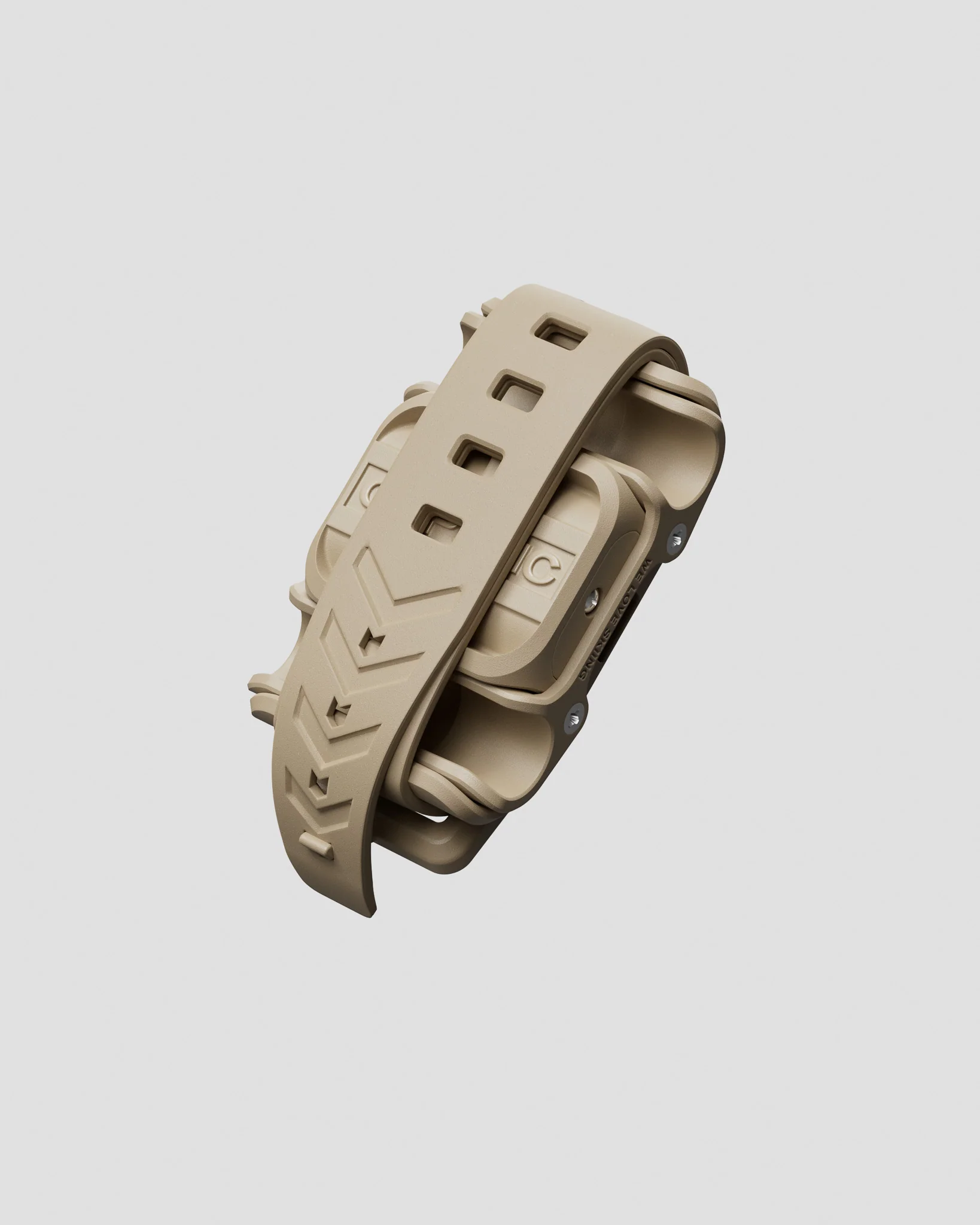
Missing a hand while carrying ski gear?
A friend of mine created Clipstic, the easy way to attach your poles to your skis! Using this link you get 10% off as well as support for Pick-a-ski!
Check it out!Not sure the Backland 65 ul is your ski?
Answer a few quick questions and the ski selector matches you with the right skis from 800+ models — free, no sign-up.