Raider 13 evo long travel review
In-depth review of the ATK Raider 13 Evo Long Travel: adjustable toe release, EVO brakes, 14 mm heel elasticity, 5–13 DIN. Comparisons and sizing tips.
Chassis
tech · alpine touringATK Raider 13 Evo Long Travel — Expert Review
ATK’s Raider 13 Evo Long Travel blends powerful downhill performance with true touring efficiency. It adds an adjustable-release toe, a broad 5–13 DIN range, 14 mm of heel elastic travel, the one-hand EVO/AP Brake, and a generous +50 mm length-adjustment plate. At 450 g per binding and built from 7075 aluminum, POM, and stainless steel, it’s a precise, durable free-touring platform that suits advanced touring and quiver-sharing alike.
Pros and cons
- Adjustable toe and heel release: tune for consistent release to match your weight, style, and boots.
- EVO/AP Brake: one-hand operation and lockable for touring; fast transitions after a short learning curve.
- 14 mm heel elasticity + Elastic Response System: maintains pressure through ski flex and reduces unwanted pre-release.
- Long Travel plate (+50 mm): huge adjustment window for multiple boots or rental/demo use.
- Premium materials and machining: stiff, precise, and confidence-inspiring.
- Heavier than minimalist tech bindings: 450 g isn’t the lightest in class.
- Learning curve: toe lever/variator and brake routine take a little practice.
- Premium price: you’re paying for unique features and downhill authority.
On-snow performance
Uphill and transitions
- The Uphill Hardness Variator lets you set toe lock force for touring; the Snowpack Proof System keeps the interface clean in icy conditions.
- Magneto heel flaps offer quick, secure risers. The AP/EVO brake locks for skinning and deploys with one hand when it’s time to descend.
Downhill
- The Cam Release System, 14 mm heel elasticity, and Elastic Response System deliver a composed, planted feel rare in pin bindings. You get strong edge hold with smoother, more predictable release under compression and in variable snow.
- The adjustable toe release helps balance lateral release with the heel, improving consistency across different boots.
Standout features
- Adjustable-release toe: ATK’s first toe with adjustable release, allowing better balance between toe and heel values.
- EVO/AP Brake System: lockable for touring and easy to manage one-handed during transitions.
- Cam Release System: smooth, secure step-in and torsional stiffness under load.
- Elastic Response System: permits natural ski flex without binding lock-up and refines retention/release.
- Uphill Hardness Variator: dial in toe-lock hardness in tour mode to match terrain and preference.
- Long Travel length adjustment: ±25 mm fore/aft for a total +50 mm, ideal for rental or multiple-boot quivers.
- Materials: 7075 aluminum, POM, stainless steel for durability, precision and corrosion resistance.
Comparisons
- ATK Raider 13 (standard): similar downhill feel at a lighter weight but with much less adjustment travel. If you don’t need the range, the standard saves grams.
- Marker Alpinist 12: notably lighter and simpler, but lacks adjustable toe release and offers less elasticity. The Raider 13 Evo LT is more confident for aggressive descents.
- Dynafit ST Rotation 12: heavier, with a rotating toe that can feel more forgiving in choppy snow; lower max DIN and a less direct feel. Choose it for release comfort; choose ATK for precision and power.
- Fritschi Tecton 13: hybrid design with alpine-like downhill support but heavier and bulkier. For resort-focused touring, Tecton shines; for lighter ups with serious downs, Raider 13 Evo LT leads.
Specs explained
- Type of binding — Tech / Alpine Touring: pin toe and heel save weight for efficient climbs while providing solid downhill control.
- DIN / release value — 5–13: broad range suits midweight to powerful skiers; higher ceiling supports faster, steeper descents.
- Heel elastic travel — 14 mm: allows heel to move with ski flex for better retention and smoother, more predictable release.
- Brake widths — 86/91/97/102/108/120 mm: choose equal to or up to ~15 mm wider than your ski waist for effective stopping without excess overhang.
- Weight — 450 g per binding: light for its capability; efficient on the skintrack and composed on the way down.
- Compatibility — Requires tech-insert boots; select brake width to match ski waist.
- Materials — 7075 aluminum, POM, stainless steel: stiff, durable, and corrosion resistant.
Key takeaways
- Powerful for its weight: rare stiffness, elasticity, and precision in a pin binding.
- Long Travel equals flexibility: +50 mm adjustment covers multiple boots and excels for rental/demos.
- Adjustable toe improves consistency: better balance between toe and heel release for predictable performance.
Frequently asked questions
Q: What brake size should I choose?
A: Match your ski waist or go up to about 15 mm wider. For a 100 mm ski, the 102 mm brake is ideal; 108 mm also works but will protrude a bit more.
Q: Who should choose the Long Travel over the standard Raider?
A: If you share skis, switch boots, or want a rental/demo-friendly setup, Long Travel is perfect. If you run a single-boot setup and want the lightest option, the standard Raider 13 Evo saves weight.
Q: Does the adjustable toe change safety?
A: It helps align toe and heel release for more consistent behavior. As with all tech bindings, release differs from alpine; have a pro shop check your settings.
Q: Is this binding OK for inbounds use?
A: Yes, though for full-time resort laps or repeated big airs, a hybrid (e.g., Tecton) or alpine binding offers more damping and elasticity. For touring with strong descents, the Raider 13 Evo LT is excellent.
Questions & opinions
User reviews
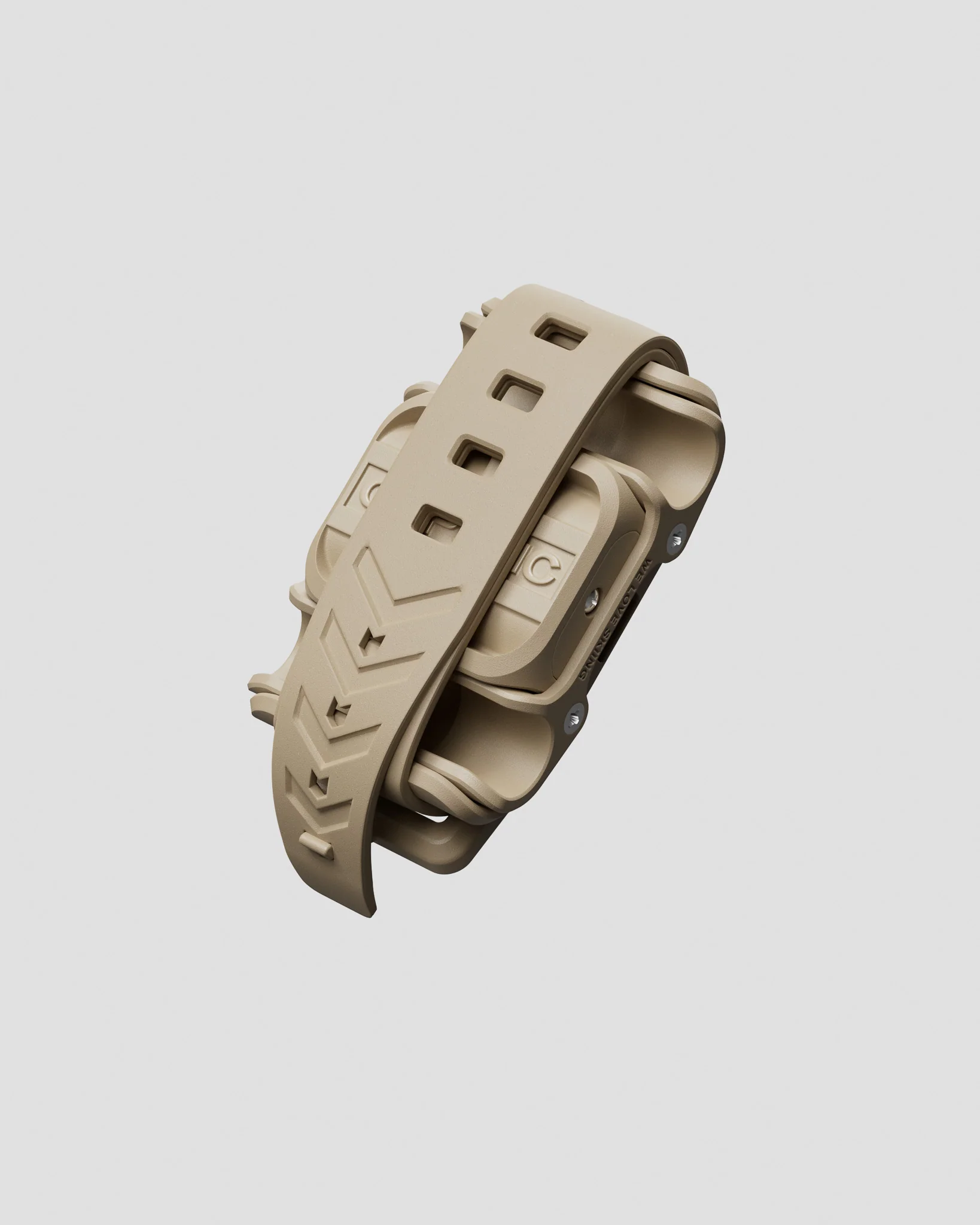
Missing a hand while carrying ski gear?
A friend of mine created Clipstic, the easy way to attach your poles to your skis! Using this link you get 10% off as well as support for Pick-a-ski!
Check it out!