Raider 12 ap review
Objective ATK Raider 12 AP review: 5–12 release, 14 mm heel travel, 345 g per binding. Pros, cons, and comparisons to Dynafit Rotation, Alpinist, and Tecton.
Chassis
tech · alpine touringOverview
The ATK Raider 12 AP sits squarely in the free‑touring/freeride tech category: real downhill confidence at a remarkably low mass (about 690 g per pair with brakes). A 14 mm elastic heel travel, a sliding heel to accommodate ski flex (Elastic Response System), and ATK’s CAM Release deliver a precise, direct feel without the heft of hybrid/alpine heels.
Who is it for?
- Tourers and freeriders who want to climb light yet drive modern skis (~88–110 mm, recommended range 80–120 mm) with authority.
- Skiers using boots with tech inserts who want adjustable release values (5–12) and robust, size‑specific brakes.
- Roughly 50–105 kg riders; heavier or extremely aggressive skiers may prefer higher release options (e.g., ATK Freeraider, Fritschi Tecton).
On‑snow performance
Uphill
At 345 g per binding, travel feels efficient. The Magneto Heel Flap offers a flat mode plus two riser heights; the Uphill Hardness Variator lets you tune toe lock tension to conditions. Snowpack Proof toe design limits ice build‑up, and the Easy Entry geometry smooths step‑in.
Downhill
The 14 mm of heel elasticity and the sliding heel track help maintain edge contact through bumps and compressions while reducing unwanted pre‑release. CAM Release provides a solid, predictable engagement. Versus ultralight race‑leaning tech bindings, the Raider 12 AP is notably more damp and powerful; compared to hybrid systems (Tecton/Kingpin), it’s far lighter with slightly less alpine‑like elasticity.
Features and usability
- AP Brake System: stout, dependable brakes in multiple widths (86–120 mm).
- 25 mm boot‑length adjustment accommodates quiver changes and wear.
- Independently adjustable lateral and vertical release (RV 5–12).
- Magneto Heel Flap: quick, pole‑friendly transitions.
- Easy Entry & Snowpack Proof: simpler step‑in, reduced icing.
Build quality and durability
CNC‑machined 7075 aluminum, stainless steel, and POM yield a stiff, durable package with tight tolerances. ATK’s finish quality is excellent, and parts support is strong. As always, periodic screw/forward pressure checks are recommended.
Comparisons
- Dynafit ST Rotation 12: heavier with a rotating toe that can improve release consistency on firm snow; less direct feel and less weight advantage than ATK.
- Marker Alpinist 12: lighter and usually cheaper, but lacks a sliding heel/elasticity; less damping on hard impacts.
- Fritschi Tecton 13 / Marker Kingpin: most alpine‑like downhill hold and elasticity, but significantly heavier.
- ATK Freeraider 14/15: higher release and more downhill focus; also a bit heavier and pricier.
Pros and cons
- Pros: class‑leading downhill feel for the weight; 14 mm heel elasticity; broad brake options; premium machining; flat + two riser modes.
- Cons: not TÜV‑DIN certified; less alpine elasticity than hybrids; premium price; traditional tech ramp may lead some to prefer a toe shim.
Specs explained
- Type of binding: Tech (free‑touring/freeride) — pin toe/heel for light touring with strong downhill performance.
- DIN / release value: 5–12 — adjustable lateral/vertical release for medium to aggressive skiers.
- Elastic travel: 14 mm — absorbs ski flex and helps maintain edge hold and release consistency.
- Brake widths: 86/91/97/102/108/120 mm — choose 2–4 mm wider than ski waist.
- Weight: 345 g per binding — efficient on the climb while retaining downhill power; ~690 g per pair.
- Compatibility: boots with tech inserts; recommended skis 80–120 mm; ~25 mm length adjustment — versatile fit and easy swaps.
- Materials: Aluminum 7075, stainless steel, POM — a balance of stiffness, durability, and low weight.
Key takeaways
- Free‑touring standout: climbs light, descends with confidence.
- 14 mm heel elasticity boosts damping and retention over rough snow.
- Wide brake sizes and 25 mm adjustment broaden ski/boot compatibility.
Frequently asked questions
Q: What brake width should I choose?
A: Typically 2–4 mm wider than ski waist. For a 102 mm ski, a 102 or 108 mm brake works; 102 mm is the cleanest fit.
Q: Is the ATK Raider 12 AP suitable for resort days?
A: Occasional resort use is fine, but it’s still a tech binding. If you primarily ski lifts or want maximum alpine elasticity, consider a hybrid like the Tecton.
Q: Which boots are compatible?
A: Touring boots with certified tech/Low‑Tech inserts. Alpine ISO 5355 soles without inserts are not compatible.
Questions & opinions
User reviews
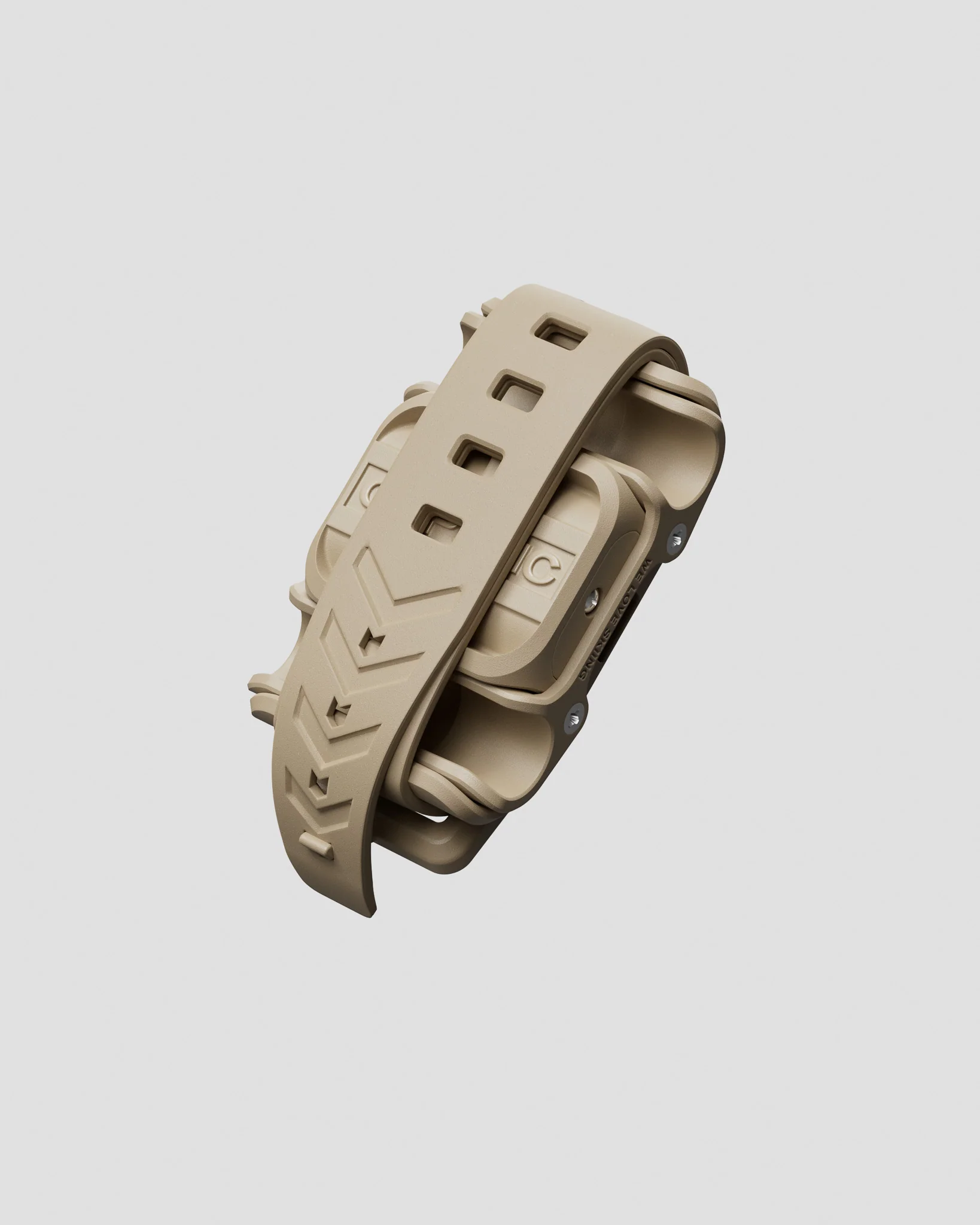
Missing a hand while carrying ski gear?
A friend of mine created Clipstic, the easy way to attach your poles to your skis! Using this link you get 10% off as well as support for Pick-a-ski!
Check it out!