Raider 10 sl review
ATK Raider 10 SL review: 330 g, DIN 3–10, 14 mm heel elasticity, AP brakes and 3 walk modes. Pros and cons plus comparisons for free‑touring skiers.
Chassis
tech · alpine touringOverview
The ATK Raider 10 SL is a lightweight free‑touring/tech binding that punches above its weight on the descent. With adjustable DIN 3–10, 14 mm of heel elastic travel, and the AP brake system, it targets tourers who want minimal uphill weight without sacrificing composed downhill performance.
Who is it for?
- Backcountry skiers seeking a 330 g/binding setup with real downhill confidence.
- Riders who fit within DIN 3–10 and value reliability, easy step‑in, and brakes.
- Skis in the ~80–108 mm waist range, the sweet spot for all‑around freetouring.
Uphill and transitions
- At 330 g per binding, long climbs feel efficient and lively.
- Three walk modes (flat / +24 mm / +49 mm) cover most skintrack angles. Magneto heel flaps lock positively and are easy to flip with a pole.
- Easy Entry and Snowpack Proof toe reduce icing and make step‑in smooth, even with worn tech fittings.
- 25 mm of length adjustment offers boot‑swap flexibility and stress‑free transitions.
Downhill and release
- The Elastic Response heel with 14 mm of travel helps the ski flex naturally, limiting pre‑release in chattery or variable snow.
- Adjustable lateral and vertical release (DIN 3–10) delivers predictable safety for the intended audience. Heavier/harder chargers may prefer a higher‑DIN option (e.g., Raider 12/13).
- AP brakes provide dependable ski control, with multiple widths for a clean fit.
Usability and features
- Quick, intuitive mode changes; the heel rotates smoothly and lifters feel secure.
- A removable ramp support lets you tune delta/ramp angle to your boot and stance preferences.
- Construction: CNC‑machined 7075 aluminum, stainless steel, and POM for durability in real backcountry conditions.
Comparisons
- Marker Alpinist 12: lighter on the uphill and very efficient, but with less elastic compliance and alpine‑like damping. The Raider 10 SL feels more planted in firm/variable snow.
- Salomon/Atomic MTN (Pure/Summit): simple, reliable, slightly lighter; ATK adds heel elasticity, broader brake options, and more adjustment.
- Dynafit ST Rotation 10: heavier with a rotating toe and TÜV certification, great for frequent resort use. The ATK tours lighter and remains impressively composed for its weight.
- G3 Zed 9/12: similar weight and large adjustment range; ATK stands out for smoother step‑in and a compact, ice‑resistant toe design.
What could be better
- DIN tops out at 10, which won’t suit the heaviest or most aggressive skiers.
- Brakes add weight and a bit of complexity; gram counters may prefer brakeless setups.
- Stock delta can feel forward for some; use toe shims or the included ramp support to fine‑tune stance.
Specs explained
- Type of binding: Tech (Free‑touring / Hybrid AT) — pin toe/heel for low weight and efficient touring with real downhill intent.
- DIN release value: 3–10 — adjustable lateral/vertical release suitable for lighter to medium‑weight skiers.
- Elastic travel: 14 mm (heel) — maintains ski/snow contact through ski flex and adds stability on rough snow.
- Brake widths: 86/91/97/102/108/120 mm — pick ~5–10 mm wider than your ski waist for best coverage.
- Weight: 330 g per binding (~660–672 g per pair) — saves energy on big vert without giving up control.
- Compatibility: tech (pin) boot soles; best on ~80–108 mm skis — not compatible with non‑tech alpine soles.
- Materials: 7075 aluminum, stainless steel, POM — a stiff, durable mix at low weight.
Key takeaways
- Light and capable: free‑touring confidence at 330 g per binding.
- 14 mm heel elasticity improves hold and composure in variable snow.
- DIN 3–10 covers a broad audience but not true hard‑chargers.
- Versatile brake widths and easy walk modes; ramp is simple to tune.
Frequently asked questions
Q: What skier profile best matches the ATK Raider 10 SL?
A: Tourers who prioritize low weight and efficient climbing but still want confident downhill performance. If you fit within DIN 3–10 and ski ~80–108 mm waists, it’s a strong all‑round choice.
Q: Which brake width should I choose?
A: Aim for 5–10 mm wider than your ski’s waist. For example, use 97 mm brakes on a 90–94 mm waist ski; 108 mm for ~100 mm waists.
Q: Can I use boots without tech inserts?
A: No. You need tech (pin) inserts in the toe and heel. The Easy Entry system helps accommodate slightly worn fittings for smoother step‑in.
Questions & opinions
User reviews
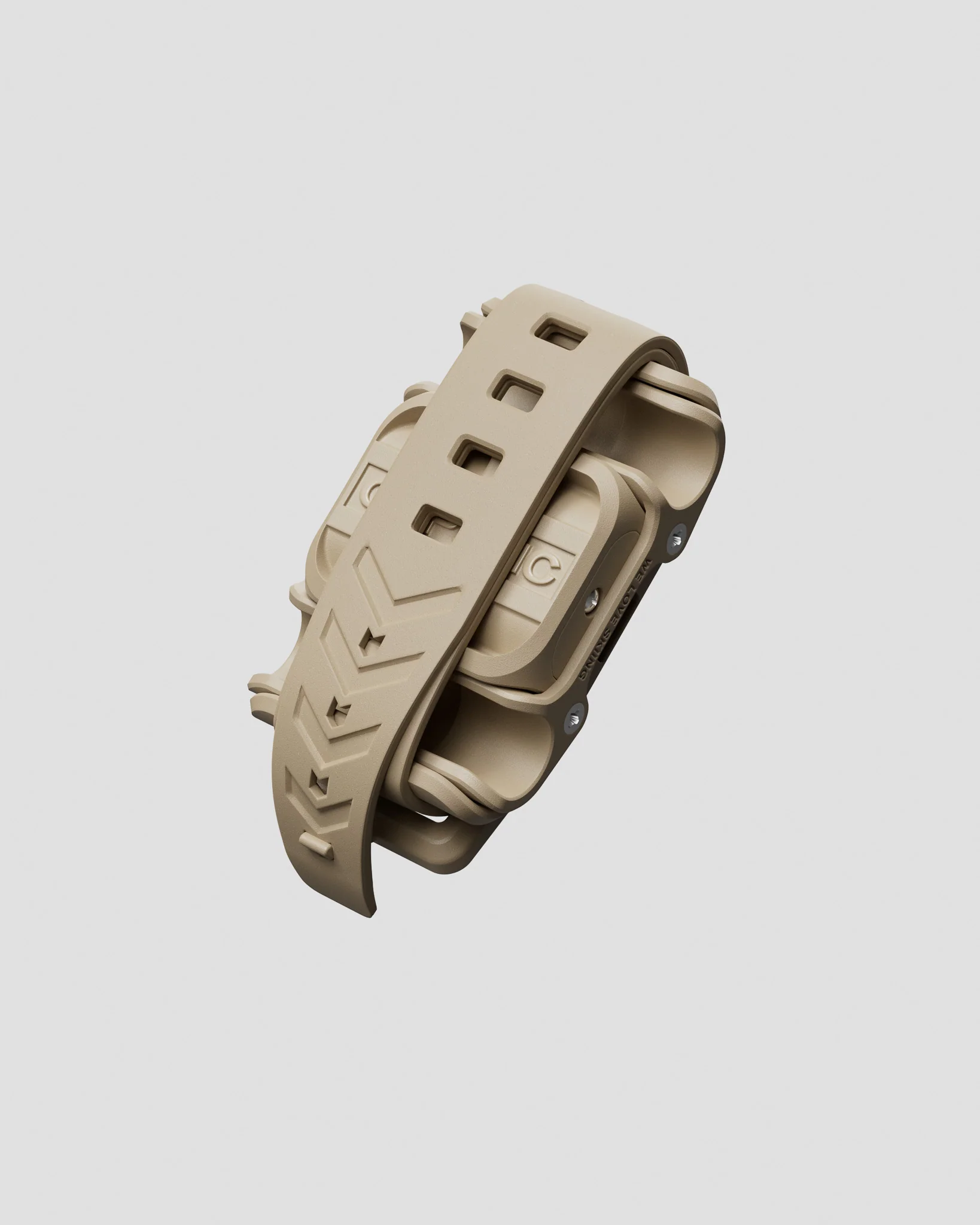
Missing a hand while carrying ski gear?
A friend of mine created Clipstic, the easy way to attach your poles to your skis! Using this link you get 10% off as well as support for Pick-a-ski!
Check it out!