Kuluar 12 sl review
Objective review of the ATK Kuluar 12 SL: 180 g tech touring binding with 6–12 lateral release, fixed vertical and optional brakes. Pros, cons, and setup tips.
Chassis
tech · alpine touringOverview
The ATK Kuluar 12 SL is an ultralight, full‑pin tech touring binding that prioritizes uphill efficiency without neglecting downhill security. At just 180 g per binding, it delivers a crisp, confidence‑inspiring ride for its weight. Lateral release is adjustable from 6–12, while vertical release is fixed via a U‑spring tuned for medium to heavier users in the 12 configuration.
Key takeaways
- Featherweight efficiency: 180 g per binding keeps big‑vert days fast and smooth.
- Stable for the category: precise, predictable on snow for technical descents with good technique.
- Release profile: lateral 6–12 adjustable; vertical fixed U‑spring—simple, consistent, less tunable.
- No heel elastic travel on SL: set heel gap carefully; optional Freeride Spacer boosts power transfer.
- Modular options: R01 adjustment plate (~30 mm), removable crampon slot, and optional brakes in multiple widths.
Who it’s for
- Expert tourers, guides and alpinists who want minimal weight with reliable downhill performance for couloirs, mountaineering lines, and fast daily tours.
- Best on light to mid‑weight touring skis (≈75–102 mm). Consider the Freeride Spacer for wider skis or if you ski aggressively.
- Lighter skiers may prefer the Kuluar 9 (softer vertical spring).
Uphill performance
- Three climbing modes (flat / +29 mm / +48 mm) cover most gradients cleanly.
- Easy Entry toe geometry makes stepping in quick and intuitive, even with worn soles or in cold conditions.
- At 180 g per binding, every step feels lighter, conserving energy on long approaches and big days.
Downhill and release behavior
- Lateral release is adjustable from 6–12; vertical release is fixed by the U‑spring (12 setup). This brings consistency but limits fine‑tuning.
- The SL spec lists no elastic heel travel; some retailers cite ERS on other Kuluar variants. Maintain accurate heel gap and avoid very soft skis to limit pre‑load.
- The optional Freeride Spacer (AL16) increases under‑heel support and ski‑snow contact, noticeably improving power and damping.
Features and usability
- R01 adjustment plate offers about 30 mm of boot‑sole adjustment, giving mounting flexibility and multi‑boot use.
- Removable crampon slot; compatible with ATK crampons.
- Optional brakes in several widths; many setups ship leash‑only for maximum weight savings.
- 99% metallic construction with 7075 aluminum, stainless steel and POM for durability without excess grams.
Specs explained
- Type of binding: Tech (Alpine Touring) – pin system maximizing uphill efficiency; less alpine‑style elasticity than hybrid/alpine bindings.
- DIN / release value: 6–12 (lateral) with fixed vertical U‑spring – higher numbers hold longer; fixed vertical means consistent but less adjustable release.
- Elastic travel: 0 mm (heel; SL spec) – demands precise heel gap; can feel firmer on landings or chattery snow.
- Brake width: 86, 91, 97, 102 mm (optional) – choose 2–4 mm over ski waist; improves convenience and safety.
- Weight: 180 g (per binding) – lower mass yields faster climbs; ultralight often means fewer damping/elastic features.
- Compatibility: Tech‑insert boots only; not ISO 5355 alpine soles. Many ISO 9523 AT boots with tech inserts are compatible; ATK crampons and Freeride Spacer supported.
- Materials: 7075 aluminum, stainless steel, POM – strong, wear‑resistant and light.
Comparisons
- ATK Raider 12: heavier but adds heel elasticity and adjustable vertical release; more composed at speed and on wider skis.
- Dynafit Superlite 150/175: lighter/racier with less adjustability and convenience; Kuluar feels more “ski” and versatile day to day.
- Salomon MTN / Atomic Backland Tour: heavier, smooth skiing with swappable U‑springs for vertical release; great all‑rounder, less weight‑obsessed.
- Marker Alpinist 12: slightly heavier value option; Kuluar is more compact with a sharper, more precise feel.
Potential drawbacks
- Fixed vertical release limits fine‑tuning for very light or very heavy skiers.
- No heel elasticity on the SL; feel can be direct/firm in rough snow.
- Brakes and spacers add cost and grams.
Recommendation
- Pick the Kuluar 12 SL if you prioritize maximum efficiency and a direct, confidence‑inspiring feel in a minimalist package.
- Step up to a Raider 12 or similar binding with heel elasticity and fully adjustable release if you ski aggressively, use wider skis, or want a more damp, alpine‑like ride.
Frequently asked questions
Q: Is the ATK Kuluar 12 SL safe for aggressive skiers?
A: It’s strong for its weight, but the fixed vertical release and lack of heel elasticity mean it suits precise skiers. Add brakes and a Freeride Spacer, or consider an ATK Raider 12 for harder charging.
Q: Can I run it without brakes?
A: Yes—many do with a leash (check local rules). Brakes add convenience and safety on firm snow but increase weight and cost.
Q: How should I set my DIN?
A: Only the lateral release (6–12) is adjustable. Vertical release is defined by the U‑spring. Have a qualified tech set and check your values and verify on‑snow.
Verdict
The ATK Kuluar 12 SL delivers standout uphill efficiency and surprisingly mature downhill performance for a 180 g binding. If you value a precise, minimalist feel for alpine missions and everyday touring, it’s among the best ultralight tech options available.
Questions & opinions
User reviews
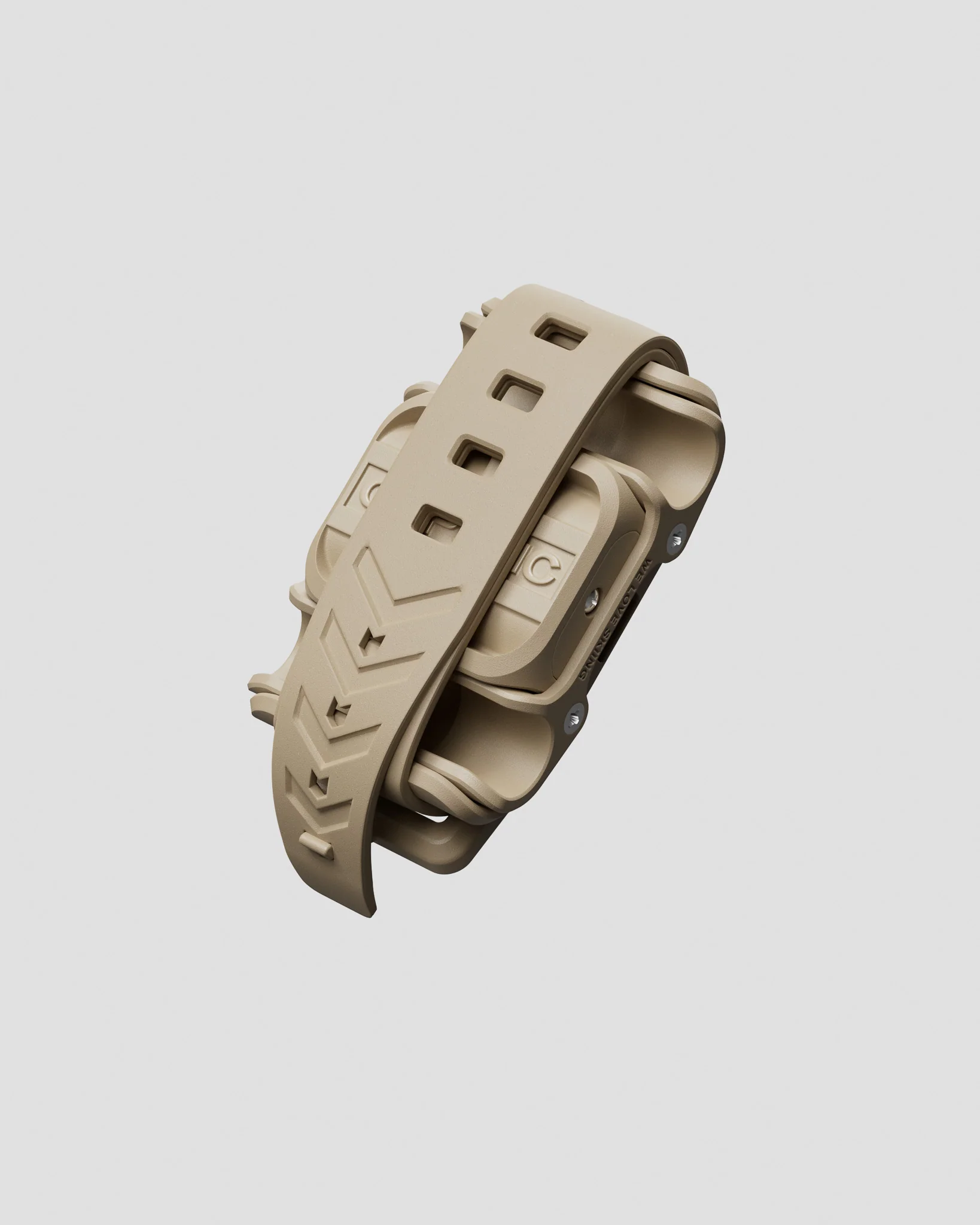
Missing a hand while carrying ski gear?
A friend of mine created Clipstic, the easy way to attach your poles to your skis! Using this link you get 10% off as well as support for Pick-a-ski!
Check it out!