Freeraider 14 sl review
Objective review of the ATK Freeraider 14 SL: 7–14 DIN, 355 g, 14 mm heel travel, wide brake options, freeride spacer. Pros, cons, and key comparisons.
Chassis
tech · alpine touringATK’s Freeraider 14 SL is a tech (pin) free-touring binding that punches well above its weight on the descent. With a 7–14 DIN range, 14 mm heel elastic travel, and the included Freeride Spacer, it brings rare power and precision to a sub-400 g binding—exactly what weight‑conscious freeriders want on modern, mid‑to‑wide touring skis.
Who is it for?
- Backcountry riders who prioritize efficient climbs but demand real downhill authority.
- Ski widths roughly 80–120 mm; a sweet match for 95–115 mm freeride/touring skis.
- Skiers needing 7–14 DIN and a stiffer, more connected feel than ultralight tour bindings without jumping to much heavier hybrids.
Performance
Uphill
- At 355 g per unit, it’s very competitive for a freeride‑capable tech binding. Magneto heel flaps and three climbing positions (flat / +24 mm / +49 mm) make transitions fast and glove‑friendly.
- The Snowpack Proof toe design limits icing, improving step‑in consistency in cold, deep conditions.
Downhill
- The Freeride Spacer under the heel reduces gap and increases torsional rigidity, delivering a more alpine‑like, direct feel — especially noticeable at speed and in chopped snow.
- The Elastic Response System (14 mm) maintains pressure as the ski flexes, aiding stability and helping release consistency versus many light tech bindings.
- Independently adjustable lateral and vertical release (DIN 7–14) inspire confidence for aggressive skiing.
Features and usability
- Brake widths from 86 to 120 mm cover most touring/freeride builds.
- 25 mm heel adjustment accommodates mounting tolerance and minor boot‑sole differences.
- AP/EVO brake is positive and predictable to operate; toe’s Easy Entry geometry helps with fiddly step‑ins.
Comparisons
- ATK Raider 13/14 EVO: The Raider leans more toward touring; the Freeraider 14 SL feels stiffer and more composed on the descent thanks to the spacer.
- Dynafit Rotation 14: Adds toe elasticity and can be slightly calmer on ice, but it’s heavier and not as crisp underfoot as the Freeraider + spacer.
- Fritschi Tecton 13 / Salomon Shift 13: Offer alpine‑like elasticity and release but are much heavier. The Freeraider 14 SL is the better pick when weight matters without giving up too much downhill performance.
- Marker Alpinist 12: Lighter and simpler, but with a lower DIN and less support at speed; the Freeraider is more confidence‑inspiring for hard chargers.
Potential drawbacks
- Price: premium machining and materials come at a premium.
- Like all tech toes, step‑in on hard, icy traverses can take practice—even with Easy Entry.
- Less total elasticity than hybrid/alpine heels (Shift/Tecton); very aggressive skiers on very stiff skis may prefer hybrid options for resort‑hardpack days.
- Not MNC: alpine‑only soles without inserts (ISO 5355) are not compatible.
Specs explained
- Type of binding: Tech (pin) free‑touring — maximizes uphill efficiency with serious downhill intent.
- DIN / release: 7–14 — suits medium to heavy/aggressive skiers; independent lateral/vertical adjustment for tuning.
- Elastic travel: 14 mm at the heel — keeps clamp force more consistent as the ski flexes, improving stability and release consistency.
- Brake widths: 86/91/97/102/108/120 mm — choose a brake about 0–10 mm wider than your ski waist for best fit.
- Weight: 355 g per binding — excellent power‑to‑weight balance for a freeride‑ready tech binding.
- Compatibility: AT/tech boots with inserts (e.g., ISO 9523) — requires tech inserts; not for alpine‑only (ISO 5355) soles.
- Materials: 7075 aluminum, stainless steel, POM (Delrin) — high strength‑to‑weight and cold‑weather durability.
Key takeaways
- Lightweight with real freeride muscle: the spacer meaningfully stiffens the interface.
- Wide sweet spot: shines on 95–115 mm skis in soft and variable snow.
- Tunable confidence: 7–14 DIN and 14 mm elasticity boost stability and predictability.
- Premium build, premium price: top finish and reliability, but not cheap.
Frequently asked questions
Q: Which brake width should I choose?
A: As a rule, pick a brake 0–10 mm wider than your ski waist (e.g., 102 mm brake for a 95–100 mm ski). This avoids overhang while ensuring clean clearance.
Q: Is the Freeraider 14 SL good for resort days?
A: Yes, if you’re on tech‑compatible boots. For hard‑snow, resort‑only use, a hybrid (Tecton/Shift) offers more elasticity, but the Freeraider is impressively composed for a pure tech binding.
Q: How does it compare to the ATK Raider series?
A: The Freeraider 14 SL is stiffer and more descent‑focused thanks to the spacer and tuning, while the Raider trims a few grams and leans a bit more uphill.
Q: Can I use alpine boots without tech inserts?
A: No. You need AT/tech‑compatible boots with inserts; alpine‑only soles (ISO 5355) won’t work.
Verdict
The ATK Freeraider 14 SL is a standout for riders who want a true free‑touring binding: light on the skintrack, reassuringly powerful on the descent. If maximum downhill elasticity trumps weight for you, consider Tecton or Shift. If you want an exceptional balance of precision, durability, and weight, this binding is hard to beat.
Questions & opinions
User reviews
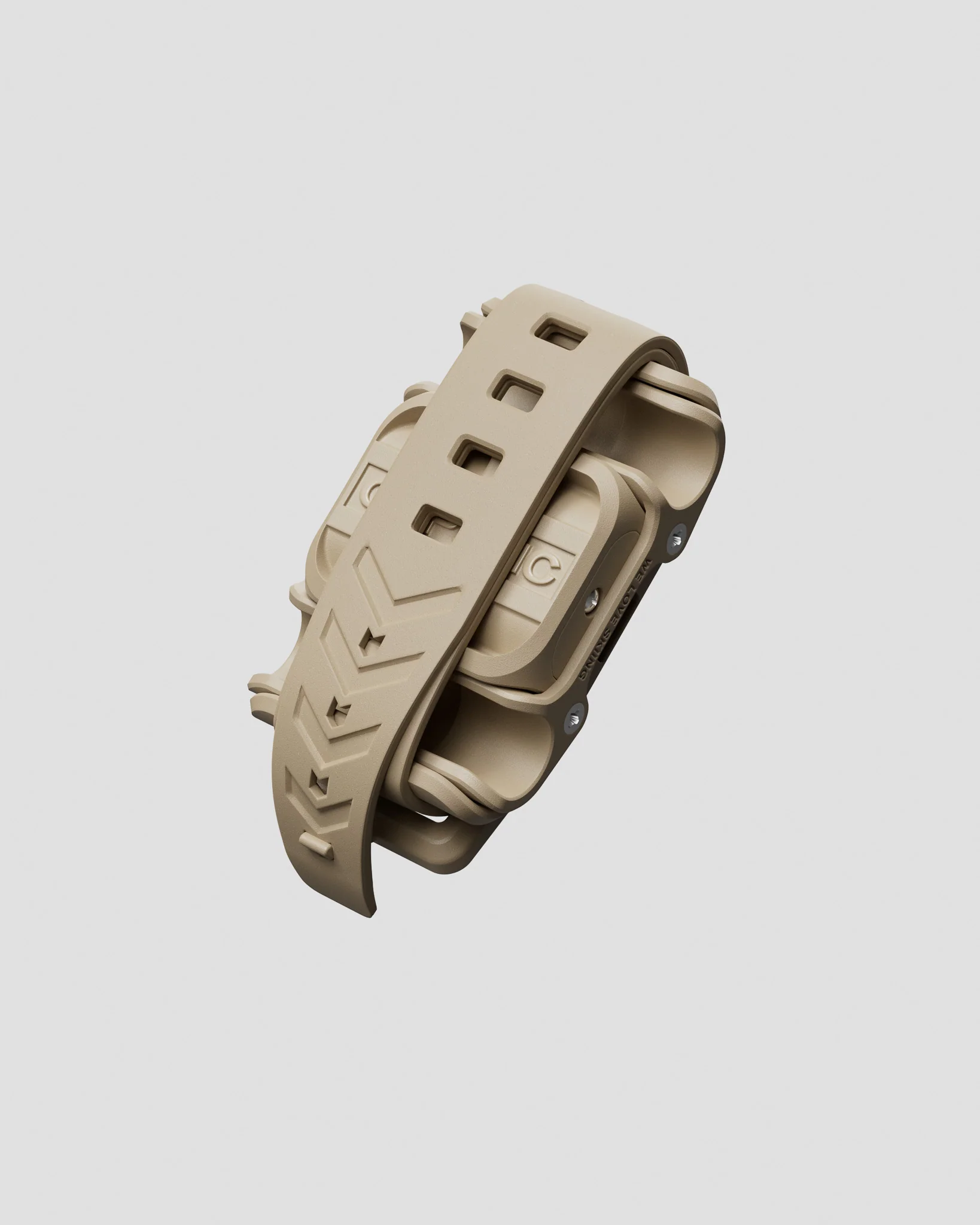
Missing a hand while carrying ski gear?
A friend of mine created Clipstic, the easy way to attach your poles to your skis! Using this link you get 10% off as well as support for Pick-a-ski!
Check it out!