Verdict
The Rossignol Forza 40D is a confidence‑building, on‑piste carver for progressing intermediates through advanced skiers who value light, lively turns over bulldozer‑like damping. With a narrow 75 mm waist, strong camber, and subtle tip rocker, it initiates cleanly, grips well for its class, and keeps fatigue low. It’s not a metal‑laden rocket, but within its lane it’s a fun, efficient edge‑to‑edge machine.
Who is it for?
- Intermediates refining carving skills and preferring short to medium arcs on groomers.
- Advanced skiers wanting a nimble, lighter frontside ski without the heft or stiffness of titanal.
- Anyone who rides mostly on‑piste and values easy turn entry and dependable edge hold.
On‑snow performance
- Turn initiation: The “piste rocker” (mostly camber with a touch of tip rocker) makes turn entry intuitive. In 157–164 cm it feels quick yet forgiving.
- Edge hold: The 127‑75‑111 sidecut and full sidewall provide trustworthy grip on firm morning snow when pressured cleanly.
- Stability & damping: The V‑CA carbon beam underfoot adds composure without adding weight. At high speeds it’s less damp than Forza 60/70 V‑Ti, but it remains impressively calm for a light ski.
- Turn shapes: The listed radii (10–15 m by length) encourage short to medium carves. Longer GS‑style arcs are possible in smoother conditions and with deliberate technique.
- Comfort: Low swing weight and a poplar core keep it lively and non‑punishing across a full day. In late‑day chop it can feel a bit nervous compared to heavier builds.
Comparisons
- Rossignol Forza 60 V‑Ti: more bite and high‑speed composure (titanal), but heavier and more demanding. Choose 60 V‑Ti if you prioritize icy‑day confidence and top‑end speed.
- Atomic Redster Q7/Q5: Q7 is more planted at speed; Q5 is closer to the 40D for accessibility. The Forza 40D often feels lighter and snappier edge‑to‑edge.
- Head Shape e‑V10: a touch more all‑mountain; the Forza 40D is more piste‑pure and quicker to roll on edge.
Specs explained (and why they matter)
- Rocker profile: Tip rocker / Piste rocker with predominant camber
What it means: strong camber for edge grip and rebound; slight tip rocker eases turn entry and reduces hookiness. - Sidecut: 127/128‑75‑111 mm (most official sources list 127 mm tip)
What it means: narrow waist and pronounced sidecut for fast edge‑to‑edge and carved precision. - Radius: 10 m (150), 11 m (157), 12 m (164), 14 m (171), 15 m (179)
What it means: optimized for short–medium arcs; size up for more stability and a longer natural turn shape. - Weight: approx. 1.50–1.80 kg per ski (150–179 cm) per Rossignol
What it means: lightweight feel that’s easy to steer and less tiring over hours of laps. - Construction: PEFC poplar wood core; full sidewall; V‑Profile layer; localized Carbon Beam
What it means: blend of grip (sidewall), energy (poplar/V‑Profile), and targeted stability (carbon) without a big weight penalty. - Base & topsheet: Sintered HD base; Premium Hardtop/Minicap
What it means: good glide and durability with reinforced cosmetic longevity.
Note: Some retailers list a 128 mm tip instead of 127 mm; this appears to be rounding/variant‑related and has no practical effect on performance.
Pros and cons
- Pros
- Easy, confidence‑building turn initiation and carve learning curve
- Light, lively, and quick edge‑to‑edge
- Solid grip for its class; excels at short to medium arcs
- Durable finish; commonly sold with XPRESS bindings
- Cons
- Less top‑end damping than titanal‑equipped frontside skis
- Limited off‑piste utility; 75 mm waist is piste‑focused
- Can get chattery in late‑day chop at higher speeds
Length guidance
- 150–157 cm: quick and super nimble; ideal for lighter/intermediate skiers and slalom‑like turns.
- 164 cm: the sweet spot for many—balance of stability and agility.
- 171–179 cm: more stability and longer arcs; choose if you ski faster and with strong technique.
Key takeaways
- Accessible carver: helps you refine edge angles and clean arcs.
- Lightweight fun: energetic feel with low fatigue.
- Not a speed monster: for icy, high‑speed days consider Forza 60/70 V‑Ti.
Frequently asked questions
Q: Who is the Rossignol Forza 40D best for?
A: Intermediates to advanced on‑piste skiers who want an easy‑to‑initiate, confidence‑boosting carving ski. The Rossignol Forza 40D rewards clean technique without being punishing.
Q: How does it handle ice?
A: For its category, edge hold is strong thanks to camber and full sidewalls. On boilerplate at high speed, a titanal model like the Forza 60 V‑Ti offers more damping and security.
Q: Is a 75 mm waist too narrow today?
A: For groomers, 75 mm is ideal for quick edge‑to‑edge and precise carving. If you want float or mixed‑snow versatility, look to a wider all‑mountain ski.
Q: Does it come with bindings?
A: Often yes—many retail bundles include the XPRESS 11 GW. Confirm the exact package when purchasing.
The neighbourhood
its nearest skis on the map, by character — not by brandQuestions & opinions
User reviews
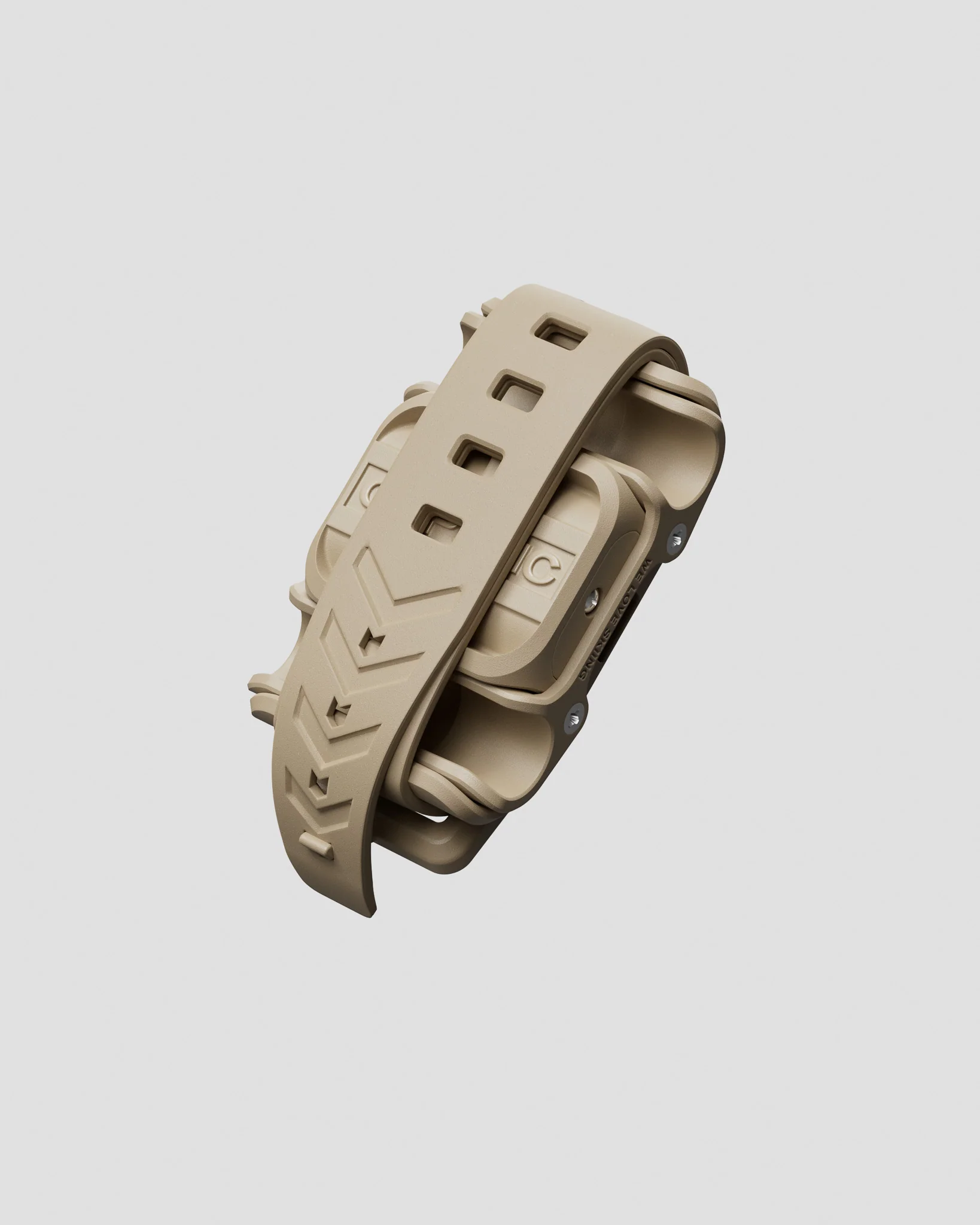
Missing a hand while carrying ski gear?
A friend of mine created Clipstic, the easy way to attach your poles to your skis! Using this link you get 10% off as well as support for Pick-a-ski!
Check it out!Not sure the Forza 40d is your ski?
Answer a few quick questions and the ski selector matches you with the right skis from 800+ models — free, no sign-up.