Duke pt 16 review
In-depth Marker Duke PT 16 review: DIN 6–16, pin-toe uphill with alpine power downhill. 100/125 mm brakes, magnesium build. Compare to Shift & Kingpin.
Chassis
hybrid · alpine touringThe Marker Duke PT 16 is a true ride‑and‑hike hybrid: pin‑toe efficiency on the way up, near‑alpine power on the way down. It’s built for advanced/experts who prize downhill confidence but still want backcountry access.
Key takeaways
- Alpine‑like downhill feel: damp, powerful, and composed at speed and on landings.
- Pin touring mode: removable upper toe saves uphill weight; better than frame bindings for climbs.
- Multinorm (Sole.ID): works with Alpine, GripWalk, and ISO 9523 touring soles.
- Heavier and more involved transitions than pure tech options; ideal for sidecountry and short‑to‑mid tours.
Specs explained
- Type of binding — Hybrid (Alpine Touring / Ride & Hike): pin toe for the ascent, full alpine toe/heel for the descent; maximizes downhill security with real touring ability.
- DIN / release value — 6–16: broad range for powerful skiers; when set correctly, delivers predictable retention and release in demanding terrain.
- Elastic travel — n/a (Inter Pivot 3 heel; high vertical elasticity): extra travel resists harsh chatter and compressions, reducing unwanted prerelease.
- Brake width — 100 mm or 125 mm: choose close to ski waist (or up to ~15 mm over) to avoid drag and ensure effective stopping.
- Weight — Downhill: 1280–1350 g/pair; Uphill: 1000–1050 g/pair: climb lighter with the toe cap removed; reattach for full alpine power on the descent.
- Compatibility — ISO 5355, ISO 9523, GripWalk (Sole.ID MNC): height‑adjustable AFD balances friction for consistent release across sole norms.
- Materials — Magnesium, stainless steel, high‑strength plastics: freeride‑grade durability, with Anti‑Ice Rail and a stainless AFD for smooth release.
On‑snow performance
- Downhill: with the upper toe locked (Auto Quad Lock), the Duke PT 16 behaves like a stout alpine freeride binding. The Inter Pivot 3 heel provides strong elasticity and excellent power transfer for hard charging.
- Touring & transitions: use pin mode and the Lock & Walk brake with a 10° climbing aid. Transitions require installing/removing the toe cap—glove‑friendly but not as quick as some competitors. The Anti‑Ice Rail helps keep interfaces clean.
- Reliability: magnesium housings and a steel AFD contribute to consistent release and long‑term durability in cold, rough conditions.
Comparisons
- Salomon/Atomic Shift 13: lighter and simpler transitions but lower max DIN. Duke PT 16 offers more downhill headroom for heavier/aggressive riders.
- Marker Kingpin 13: lighter on the uphill (pure tech toe), but not as alpine‑solid on the descent. Duke PT is better for resort speeds and drops.
- CAST Freetour (Pivot): downhill benchmark feel, but more complex system and setup. Duke PT is simpler and MNC‑compatible out of the box.
Who is it for?
- Advanced to expert freeriders doing 50/50 resort‑backcountry, sidecountry laps, or lift‑access tours who demand true alpine performance with touring access.
Potential drawbacks
- Heavier than Shift/Tecton/Kingpin‑class for long tours.
- Transitions are more involved (toe shell) and can be sensitive to icing.
- Slightly higher stack/ramp than some pure alpine or tech bindings.
Frequently asked questions
Q: Which boot soles are compatible with the Duke PT 16?
A: Sole.ID supports Alpine (ISO 5355), GripWalk, and Touring (ISO 9523). Adjust the AFD height correctly to maintain consistent and safe release.
Q: What brake width should I choose?
A: Match your ski’s waist or go up to ~15 mm wider. With the Duke PT you’ll typically pick 100 mm or 125 mm depending on your ski width.
Q: Is this binding good for long tours?
A: It can handle them, but weight and transitions make it better for short‑to‑mid tours, lift‑ or sled‑assisted laps, and sidecountry. Ounce‑counters should pick a lighter tech option.
Verdict
The Marker Duke PT 16 brings nearly alpine‑level downhill performance with real touring capability. For hard‑charging skiers who want one binding to do it all, it’s a standout—if you accept the weight and more involved transitions.
Also compared
4 pairsQuestions & opinions
User reviews
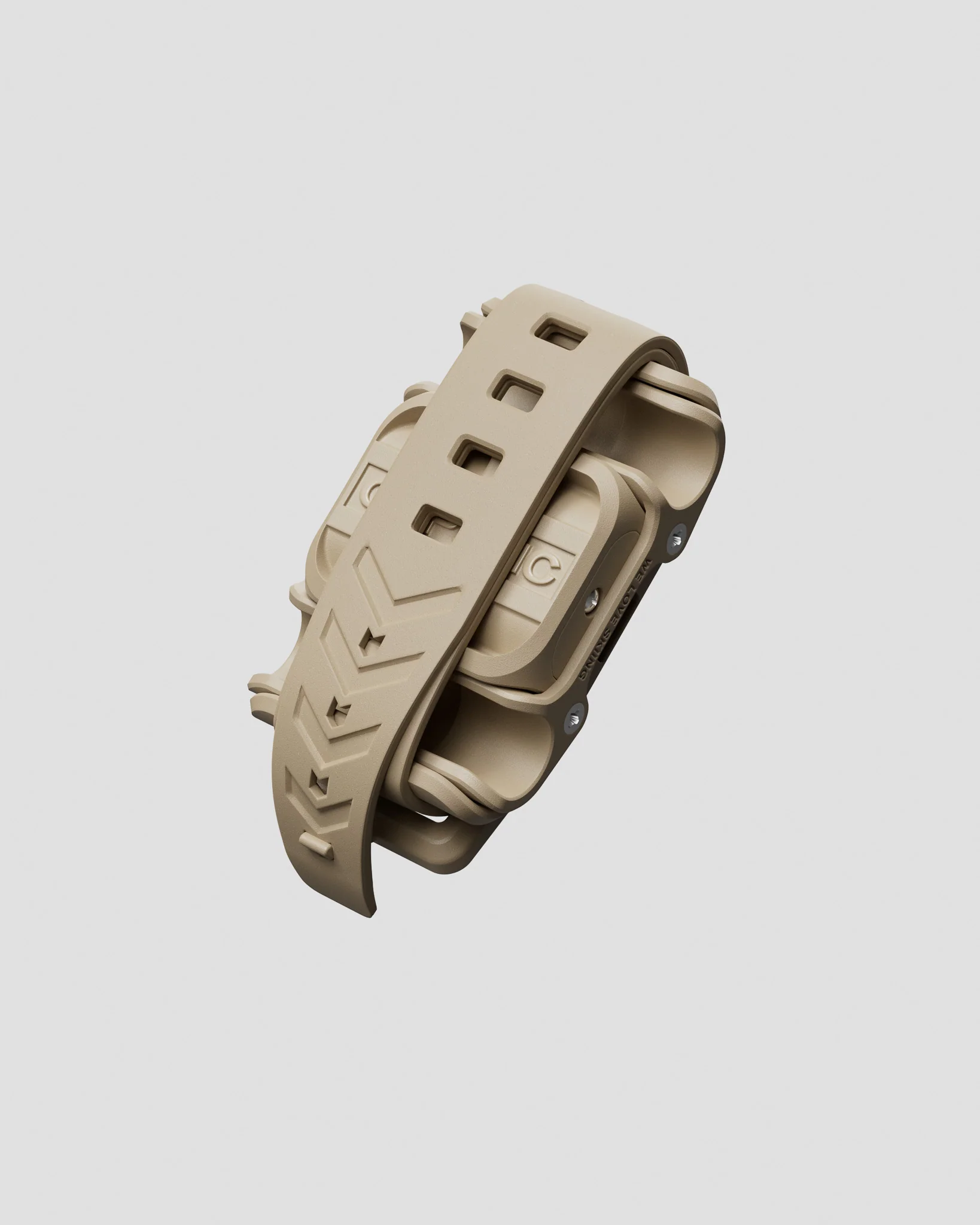
Missing a hand while carrying ski gear?
A friend of mine created Clipstic, the easy way to attach your poles to your skis! Using this link you get 10% off as well as support for Pick-a-ski!
Check it out!