WCR e gs rebel pro review
Detailed review of the Head WCR e-GS Rebel Pro: 68 mm GS race ski, 22–27 m, EMC damping, Graphene sandwich, race plate. Feel, turns, pros, cons and specs.
Overview
The WCR e-GS Rebel Pro is the third GS ski in Head's race department range and, in Head's own description, the one that is "more forgiving than regular WCR skis and easier to race". The recipe is a slightly wider footprint and a shorter radius: 68 mm underfoot instead of 65, 106-68-90 mm with a 22 m radius at 177 cm, 104-68-89 mm and 25.4 m at 183 cm and 104-68-89 mm and 27 m at 189 cm, with a 191 cm also listed in Head's EU store. It keeps the full race build, Graphene Worldcup Sandwich Construction and EMC damping, and comes as a set with a pre-mounted race plate and the Freeflex ST 20 X RD by default (ST 16 X RD or ST 14 X optional). Head's weight figure is 2,510 g per ski without binding at 183 cm, the heaviest of the three WCR GS skis apart from the FIS ski at 193 cm.
On-snow performance
On paper the extra 3 mm underfoot and the 22–27 m radius change the character more than the numbers suggest. A wider waist gives a touch more time between edge changes and a bigger platform to stand on when the snow is soft or chopped at the side of a course, and the radius means the ski will come round on a masters or club course without needing the pressure a 30 m FIS ski demands. That is what Head means by "easier to race". It is still a race-department ski, though: full camber, a lot of mass and the EMC piezo elements working to keep the edge quiet on hard snow, so it wants to be driven at speed and rewards a skier who stands over the ski and commits early. Treat it as a high-speed carver for empty, hard groomers and GS training; in short turns, soft snow or bumps the weight and the long sidecut work against you.
Construction & specs explained
- Construction: Graphene Worldcup Sandwich Construction around a wood core, Head's race-department build.
- Topsheet: the thinner topsheet used only on Head's RD skis, for lower weight and quicker edge changes.
- Damping: EMC (Energy Management Circuit), ceramic piezo plates in the front and rear of the ski; Head calls it the only electronic damping system on the market.
- Profile: Rebel Camber, full camber.
- Plate and binding: sold as a set with Head's race plate; Freeflex ST 20 X RD by default, ST 16 X RD or ST 14 X optional. PROTECTOR ready.
- Dimensions: 106-68-90 mm, 22 m (177 cm); 104-68-89 mm, 25.4 m (183 cm); 104-68-89 mm, 27 m (189 cm). Head publishes no sidecut for the 191 cm.
- Lengths: 177, 183, 189, 191 cm.
- Weight: 2,510 g per ski without binding (183 cm).
Who it's for & comparisons
Masters racers who find a 65 mm FIS-style GS ski too unforgiving, GS coaches, and strong ex-racers who want to carve big turns on hard, empty pistes with a ski that is a little more tolerant of mistakes. Within Head's range it sits between the Head WCR e gs rebel (65 mm, 23–25 m, the purer masters GS ski) and the Head worldcup rebels e gsr (68 mm, 11.9–15.7 m, the GS-flavoured piste carver). The closest cross-brand matches are the Atomic Redster g9 rsm (67–68 mm, 21–27.5 m, 176–190 cm), the Augment WC Pro GS (68 mm, 18–25 m, 176–185 cm, 1,775–2,025 g) and the Rossignol Hero athlete gs (65 mm, 20–27 m). Against those, the Head is the heaviest on paper by a clear margin and the only one with electronic damping; the Augment is the light, lively alternative, the Atomic the closest in shape.
Pros, cons and verdict
Pros
- Race-department construction with Graphene, EMC damping and the RD topsheet.
- 68 mm waist and a 22–27 m radius make it, in Head's words, more forgiving and easier to race than the regular WCR skis.
- Four lengths from 177 to 191 cm with radius growing from 22 to 27 m.
- Sold as a complete set with a race plate and the Freeflex ST 20 X RD.
Cons
- 2,510 g per ski without binding, heavier than every rival in its class.
- Still a full-camber race ski that needs speed and commitment to work.
- Race-department price tier, and the RD bindings add to the set price.
- The pre-mounted plate ties you to Head/Tyrolia Freeflex bindings.
Verdict: The WCR e-GS Rebel Pro is the GS race ski for people who want the Head race-room build with a bit more margin for error: wider, shorter-turning and less punishing than the WCR e-GS Rebel, at the cost of being the heaviest ski in its group. Pure masters racers may prefer the 65 mm Rebel; free-skiing carvers should look at the e.GSR instead.
The neighbourhood
its nearest skis on the map, by character — not by brandQuestions & opinions
User reviews
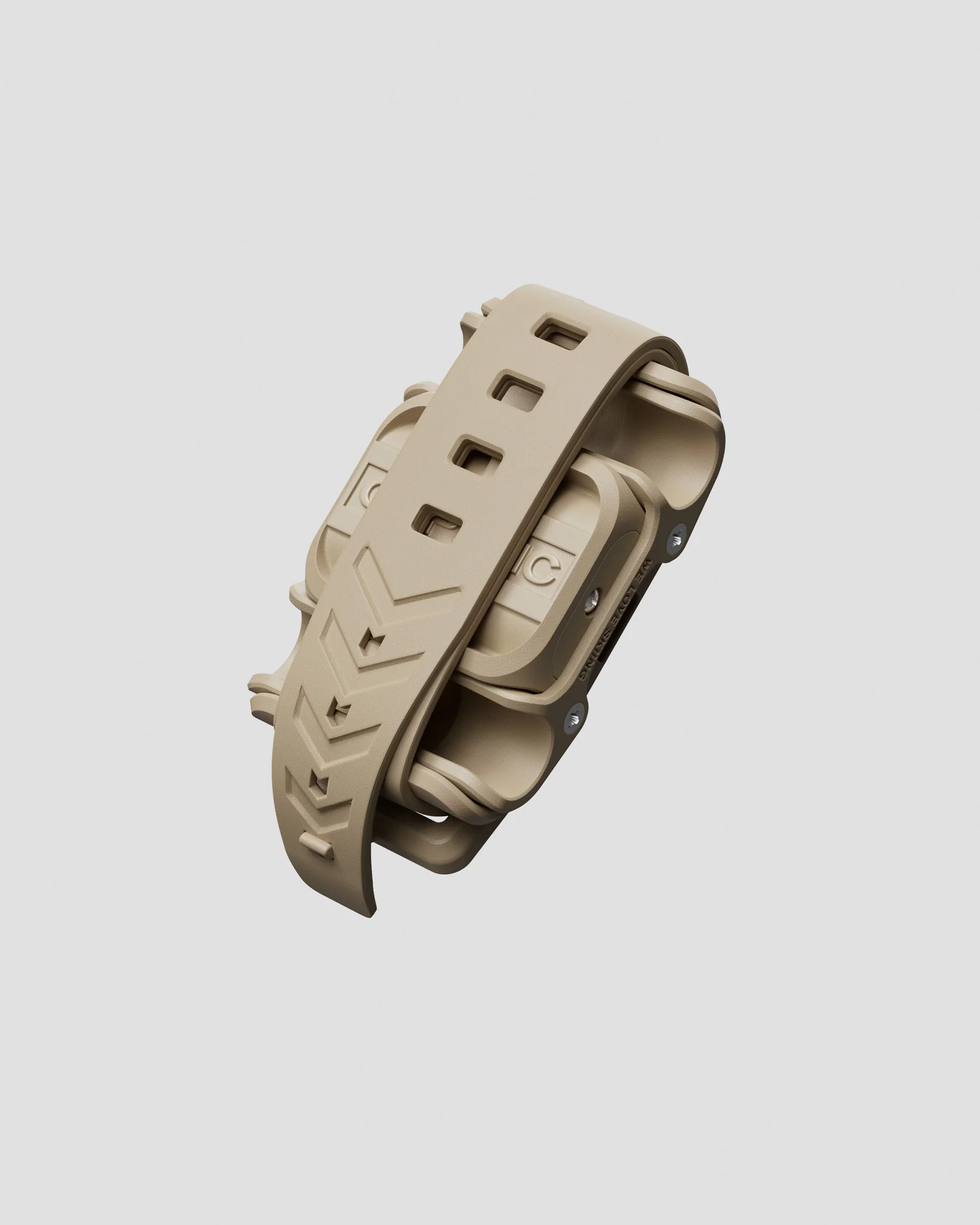
Missing a hand while carrying ski gear?
A friend of mine created Clipstic, the easy way to attach your poles to your skis! Using this link you get 10% off as well as support for Pick-a-ski!
Check it out!Not sure the WCR e gs rebel pro is your ski?
Answer a few quick questions and the ski selector matches you with the right skis from 800+ models — free, no sign-up.