WCR e gs rebel review
Detailed review of the Head WCR e-GS Rebel: non-FIS GS, 65 mm, 23–25 m, EMC damping, Graphene sandwich, WCR race plate. Feel, turns, pros, cons and specs.
Overview
The WCR e-GS Rebel is the non-FIS giant slalom ski in Head's race department line: the same Graphene Worldcup Sandwich build and EMC damping as the FIS ski, but with a 23–25 m radius instead of 30 m, so it fits masters racing, non-FIS youth racing and GS training rather than FIS-sanctioned courses. Head publishes 102-65-87 mm with a 23 m radius at 176 cm, 102-65-86 mm and 25 m at 181 cm and 104-65-87 mm and 25 m at 186 cm; the EU store also lists a 188 cm. Head sells the ski as two set codes: 313045 with the standard WCR race plate (176–188 cm, Freeflex ST 20 X RD by default, ST 16 X RD or ST 14 X optional) and 313055 with the lighter Race Plate WCR Team and the Freeflex ST 14 X, in 176 and 181 cm only. Head's weight figure is 2,345 g per ski without binding at 181 cm on the standard plate and 2,145 g on the Team plate.
On-snow performance
On paper this is the GS ski most masters racers actually want: a 65 mm waist and the full race construction, but a radius that lets it finish a turn on a club course or a steep groomer without World Cup speed. At 23–25 m it still asks for commitment, a high edge angle and pressure from the start of the arc; it is not a carver that bends on request at moderate speed. Once up to speed, the Rebel Camber full-camber profile and the EMC piezo elements should give the trademark Head feel: a calm, glued-down edge on hard, chopped race snow, with the energy returned at the end of the turn feeding the next one. The Team-plate version is, in Head's own words, less aggressive, a softer-feeling setup for experienced athletes and youngsters. Short turns, soft snow and bumps are outside its brief, and at 2.1–2.3 kg per ski it is not a ski for a lazy day either.
Construction & specs explained
- Construction: Graphene Worldcup Sandwich Construction around a wood core, Head's race-department build.
- Topsheet: the thinner RD-only topsheet for lower weight and quicker edge changes.
- Damping: EMC (Energy Management Circuit), ceramic piezo plates in the front and rear of the ski.
- Profile: Rebel Camber, full camber.
- Plate and binding: set 313045 with the WCR race plate, Freeflex ST 20 X RD by default (ST 16 X RD or ST 14 X optional), PROTECTOR ready; set 313055 with the Race Plate WCR Team and the Freeflex ST 14 X.
- Dimensions: 102-65-87 mm, 23 m (176 cm); 102-65-86 mm, 25 m (181 cm); 104-65-87 mm, 25 m (186 cm). Head publishes no sidecut for the 188 cm.
- Lengths: 176, 181, 186, 188 cm (Team-plate set: 176 and 181 only).
- Weight: 2,345 g per ski without binding at 181 cm on the standard plate; 2,145 g on the Team plate.
Who it's for & comparisons
Masters racers, non-FIS youth racers, GS coaches and ex-racers who want race-grade grip for free skiing on hard pistes: strong experts only. In Head's own range, the Head WCR e gs rebel fis is the 30.5 m FIS version for licensed racing, the Head worldcup rebels e gsr (68 mm, 11.9–15.7 m) is the easier GS-flavoured carver for the public piste, and the Head WCR e gs rebel team junior covers the 116–172 cm junior lengths. Across brands, the closest matches are the Rossignol Hero athlete gs (65 mm, 20–27 m, 170–185 cm, 2,200 g at 182 cm), the Volkl Racetiger gs r (64.5 mm, 21–27 m, 174–188 cm) and the Fischer Rc4 worldcup noize gs masters (65 mm, 21–27 m, 181–188 cm). The Head is the heaviest of the group on paper and the only one with electronic damping.
Pros, cons and verdict
Pros
- Full race-department construction with Graphene, EMC damping and the RD topsheet.
- A 23–25 m radius that works on masters and youth courses, not only at World Cup speed.
- Two plate options: the standard WCR race plate or the softer-feeling Race Plate WCR Team.
- Four lengths from 176 to 188 cm, sold as a complete set with a Freeflex binding.
Cons
- 2,145–2,345 g per ski before the binding, heavy for a day of free skiing.
- Needs speed and commitment; it does not finish turns on a lazy pass.
- Race-department price tier, and the RD bindings add to the set price.
- The pre-mounted plate ties you to Head/Tyrolia Freeflex bindings.
Verdict: For masters racers and strong ex-racers, the WCR e-GS Rebel is the GS ski to buy from Head: the FIS ski's construction with a radius you can actually use. If you race FIS, step up to the FIS version; if you only want GS-flavoured carving, the e.GSR is far easier to live with.
The neighbourhood
its nearest skis on the map, by character — not by brandQuestions & opinions
User reviews
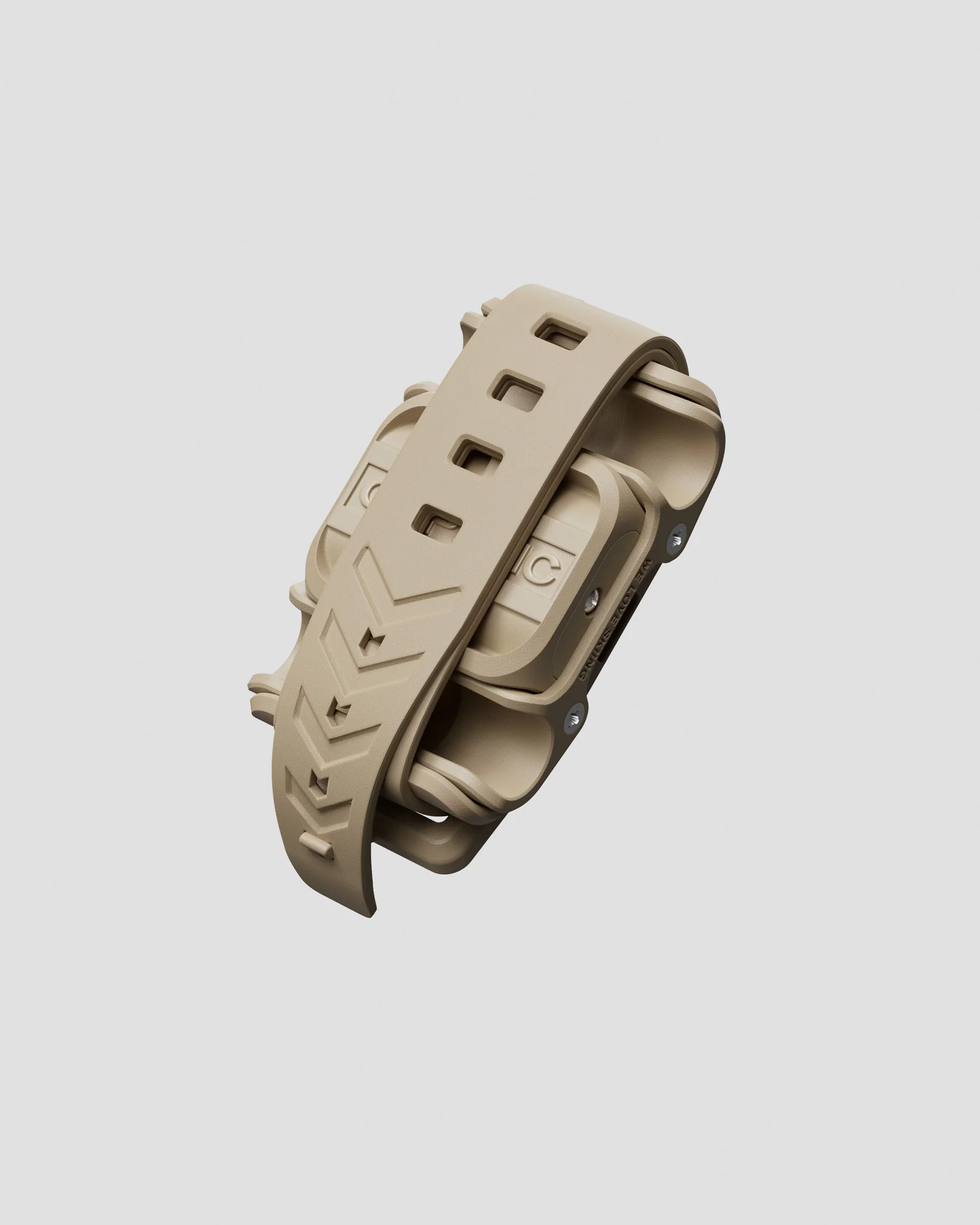
Missing a hand while carrying ski gear?
A friend of mine created Clipstic, the easy way to attach your poles to your skis! Using this link you get 10% off as well as support for Pick-a-ski!
Check it out!Not sure the WCR e gs rebel is your ski?
Answer a few quick questions and the ski selector matches you with the right skis from 800+ models — free, no sign-up.