Fischer’s Ranger 108 blends playful float with calm, confidence‑inspiring stability. A Freeski Rocker profile, shaped Titanal (0.5) underfoot, and a true sandwich sidewall create a ski that slashes pow, pivots in trees, and still carves clean arcs back to the lift. It’s aimed at advanced to expert skiers who want a wide all‑mountain freeride tool that doesn’t fall apart on groomers.
On‑snow performance
- Powder and soft snow: Easy planing and quick turn initiation from the Rocker/Camber/Rocker shape. The subtle tail rise keeps it loose enough to smear and shut down speed.
- Tracked snow, chop, and wind buff: The Shaped Ti layer adds damping and composure. For a 108‑mm ski, the relatively short stated radius (17–19 m) makes it agile when weaving through debris.
- Groomers and firm: For its width, edge hold is impressive. The sandwich sidewall plus 3° side/1.2° base bevels provide bite and predictability if you drive it with good technique.
- Bumps and trees: Moderate weight and quick pivot make it friendly in tighter spaces. The supportive tail won’t punish you if you get a touch backseat.
Who it’s for (and who it isn’t)
- Buy it if you want a single wide ski that prioritizes off‑piste but remains legit on‑piste.
- Skip it if you need a pure big‑mountain charger or an ultralight touring ski. Park‑oriented, switch‑happy riders may prefer something more freestyle‑biased.
Comparisons
- Salomon QST 106: lighter and more forgiving, but not as damp or precise on edge as the Ranger 108.
- Atomic Bent 110: surfier and more playful for butters/switch; the Ranger 108 is more directional with stronger edge hold.
- Nordica Enforcer 110 Free: heavier and more stable at warp speed; the Ranger 108 is nimbler and less fatiguing in bumps/trees.
- Blizzard Rustler 11: lively with metal underfoot as well; the Fischer carves a touch cleaner and feels more exact on firm.
Mounting and tune
- Factory bevels: 3° side / 1.2° base. Strong grip with a bit of forgiveness—maintain a sharp tune for hard days.
- Start on the recommended line. Consider +0 to +1 cm for a looser, more playful feel, or −1 cm to add directional stability.
Length guidance
- 171 cm: lighter skiers or those prioritizing trees/short turns.
- 178 cm: balanced choice for average builds and mixed terrain.
- 185 cm: sweet spot for most advanced/experts as a daily driver.
- 192 cm: bigger, aggressive skiers and high‑speed chargers.
Specs explained (what each means on snow)
- Rocker/Camber/Rocker (Freeski Rocker): tip and tail rise with camber underfoot for float and easy turn start, plus grip and pop when you tip it on edge.
- Dimensions (tip/waist/tail): influence float and turn behavior; a generous tip helps in powder, a slightly narrower tail releases smoothly.
- Turn radius by length: shorter radius = quicker turns; longer radius = more composed at speed. The 17–19 m range keeps the Ranger 108 agile for its class.
- Weight per ski: lighter = lively and less tiring; heavier = smoother and more stable when blasting through chop.
- Shaped Ti 0.5: a thin Titanal plate underfoot boosts damping, edge hold, and stability without burdening the tips and tails.
- Sandwich sidewall: direct power transfer to the edges and durability.
- Sintered base: hard, fast base that rewards regular waxing and care.
Key numbers (by length)
- Sidecut (mm)
- 171: 141-107-132
- 178: 142-108-133
- 185: 143-109-134
- 192: 143-110-134
- Radius (m): 16 / 17 / 18 / 19
- Weight per ski (g): 1850 / 1980 / 2120 / 2230
- Edge bevels: 3° side, 1.2° base
Key takeaways
- Unusually agile for 108 mm: shortish radius and loose tail aid trees and bumps.
- Damped but lively: Shaped Ti calms chop without killing playfulness.
- True all‑mountain reach: off‑piste focused, yet genuinely carves.
- Not a weight‑weenie: ideal for lift‑served freeride, less so for big tours.
Frequently asked questions
Q: How does the Fischer Ranger 108 handle on groomers?
A: Impressively well for a 108‑mm ski. The sandwich sidewall, Shaped Ti, and 3°/1.2° bevels deliver solid edge hold and predictability if you stay forward and drive the ski.
Q: What bindings pair well with the Ranger 108?
A: For resort/freeride, consider Marker Griffon/Jester, Salomon/Atomic Strive, or a Shift/Kingpin if you’ll tour occasionally. Choose a 110–120 mm brake width.
Q: Is the Ranger 108 good for touring?
A: Possible with hybrid bindings/skins, but the weight is better suited to lift‑served freeride. For big human‑powered missions, there are lighter options.
Q: What length should I choose in the Ranger 108?
A: Most advanced skiers land on 178–185 cm. Go shorter for tighter terrain/lighter riders; longer for more stability and speed.
The neighbourhood
its nearest skis on the map, by character — not by brandAlso compared
1 pairsQuestions & opinions
User reviews
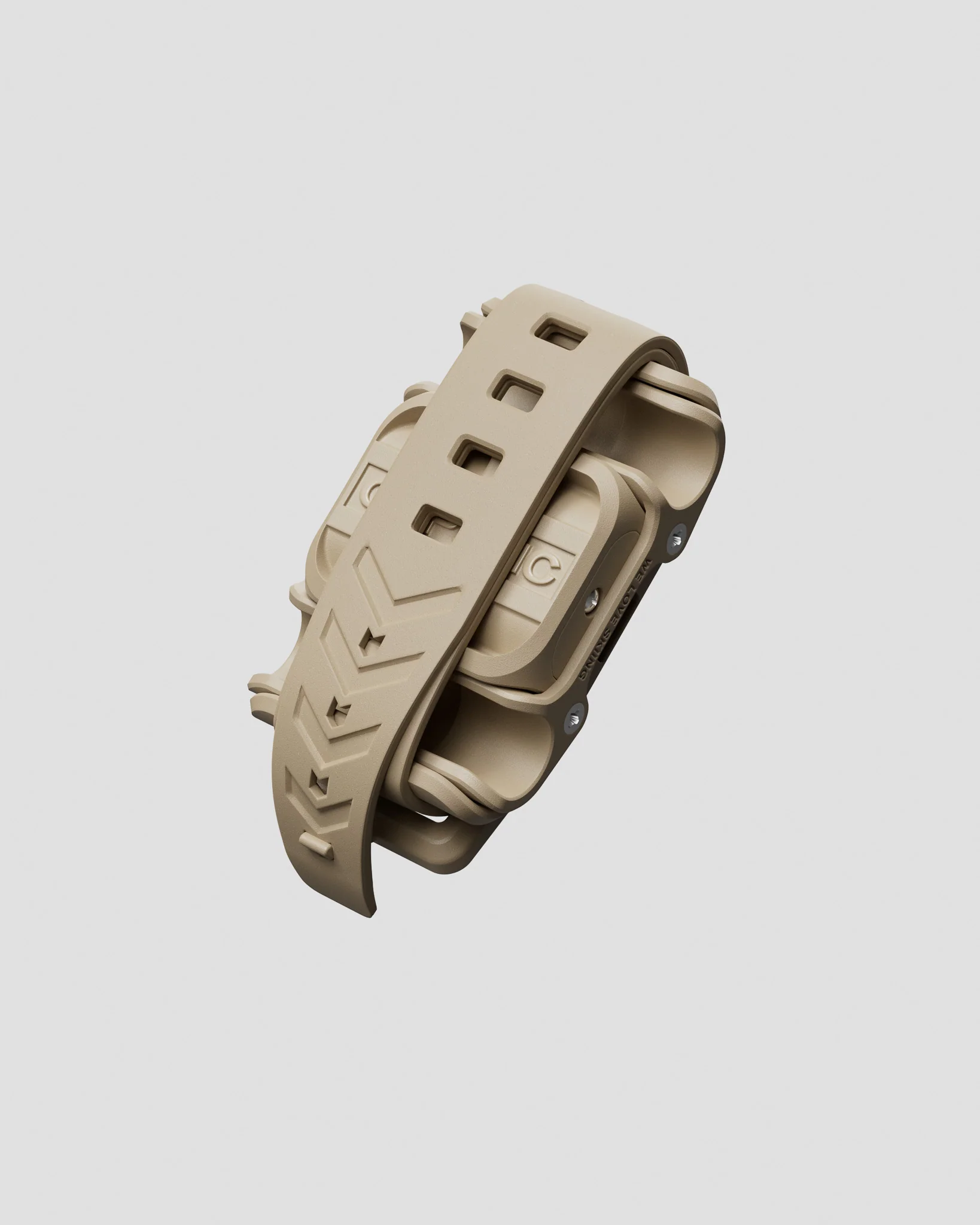
Missing a hand while carrying ski gear?
A friend of mine created Clipstic, the easy way to attach your poles to your skis! Using this link you get 10% off as well as support for Pick-a-ski!
Check it out!Not sure the Ranger 108 is your ski?
Answer a few quick questions and the ski selector matches you with the right skis from 800+ models — free, no sign-up.