Overview
The Dynastar M‑Pro 108 Ti is a directional freeride ski built for big‑mountain lines, storm days, and off‑piste charging that still holds a respectable edge on firmer snow. A Hybrid Core paired with Dynastar’s Ti Rocket Frame delivers a calm, confidence‑inspiring ride in chop, while progressive tip and tail rocker keep it maneuverable when terrain gets tight.
Who is it for?
- Advanced to expert, directional skiers who value stability at speed and precise edge hold off‑piste.
- Riders who want a powder‑friendly platform that won’t fold when the storm turns to tracked‑out crud.
- Less ideal for skiers seeking a playful, freestyle‑leaning feel or for lower‑intermediate levels.
On‑snow performance
- Powder and soft snow: The long, early‑rise tip planes quickly and keeps you centered over the ski. At 108–110 mm underfoot, float is ample without feeling barge‑like. Directional by design: drive the tip, let the tail finish cleanly rather than smear endlessly.
- Chop and crud: The Ti Rocket Frame and moderate weight translate to excellent damping. The M‑Pro 108 Ti prefers to be driven; the faster you go, the calmer it feels.
- Groomers and firm: For a 108, edge hold is notably solid. With a 20–22 m radius it’s happiest making medium‑to‑long arcs. The rocker shortens effective edge, so don’t expect race‑ski snap, but it’s impressively composed.
- Trees and bumps: Progressive rocker and an adaptive sidecut help the ski pivot when you need it. The tail is supportive; get lazy in the backseat and it’ll remind you to stay forward.
- Landings and drops: A stout, predictable platform with a confident tail. Directional landings feel locked‑in; not meant for switch.
Construction and tech
- Hybrid Core balances liveliness with vibration control for a damp but responsive feel.
- Ti Rocket Frame (titanal) boosts torsional rigidity, edge hold, and high‑speed stability without making the ski excessively heavy.
- Full sidewall sandwich and fiberglass torsion box add precision and durability.
- Sintered Factory base is fast and holds wax well.
Specs and what they mean
- Shape and sidecut: 139‑108‑129 mm (182) or 139‑110‑129 mm (192)
Helps balance float, bite, and turn initiation. Big tip for planing; slightly narrower, supportive tail for directional finishes. - Rocker profile: Progressive tip and tail rocker
Early tip rise aids flotation and smooth turn starts; low tail rocker keeps the end of the turn stable and predictable. - Radius: 20 m (182) / 22 m (192)
Prefers medium‑to‑long turns, adding composure at speed and in variable snow. - Weight: approx. 4400–4480 g/pair (182) and approx. 4700 g/pair (192)
Enough mass to mute chatter and track through crud; not ultralight, not a burden. - Lengths: 182 and 192 cm
182 for all‑round agility and trees; 192 for bigger lines, more speed, or larger skiers.
Sizing and mounting
- Size 182 cm if you like to pivot in trees and want versatility; choose 192 cm if you’re aggressive, often ski fast, and ride open faces.
- The factory line is fairly traditional and works well. Consider +0.5 to +1 cm only if you want quicker turn initiation in trees; going further forward reduces stability.
Comparisons
- Blizzard Cochise 106: Straighter, burlier, and most demanding of the bunch. M‑Pro 108 Ti is more agile and offers better float.
- Völkl Katana 108: Similar big‑mountain calm and edge hold; Katana feels heavier and even more planted, M‑Pro 108 is nimbler in tight spaces.
- Nordica Enforcer 110 Free: More playful and surfy, less directional. M‑Pro 108 Ti tracks better at speed and on firm.
- Salomon QST 106: Lighter and more forgiving but less damp in chop. M‑Pro is the superior charger.
- Black Crows Corvus: Very directional and locked‑in; M‑Pro is easier to pivot and a touch kinder in mixed snow.
Potential drawbacks
- Requires good technique: prefers a forward, driving stance and comes alive with speed.
- Not the most playful: less suited to butters and switch.
- Too heavy for most touring scenarios or long bootpacks.
Frequently asked questions
Q: Who should buy the Dynastar M‑Pro 108 Ti?
A: Advanced and expert directional freeriders who want stability in crud, flotation in powder, and trustworthy edge hold. If you like to drive a ski and value composure at speed, it’s a great match.
Q: How does it compare to the Nordica Enforcer 110 Free?
A: The Enforcer is looser and more playful. The M‑Pro 108 Ti is more directional, with better high‑speed tracking and firmer‑snow bite.
Q: Is 108 mm too wide for non‑powder days?
A: It still carves confidently in medium‑to‑long turns. If you mostly ski hardpack, a 95–102 mm all‑mountain ski will feel snappier, but the M‑Pro 108 remains capable.
Q: What bindings pair well?
A: Stout alpine bindings like Look Pivot 15/18, Marker Jester/Griffon, or Salomon/Atomic Strive complement its charging character.
Key takeaways
- Speed stability: Ti Rocket Frame and mass smooth out chop and crud.
- Directional float: long tip rocker planes quickly without a washy tail.
- Strong edge hold: impressive for a 108‑mm waist.
- Rewards commitment: best for active, forward skiers.
The neighbourhood
its nearest skis on the map, by character — not by brandQuestions & opinions
User reviews
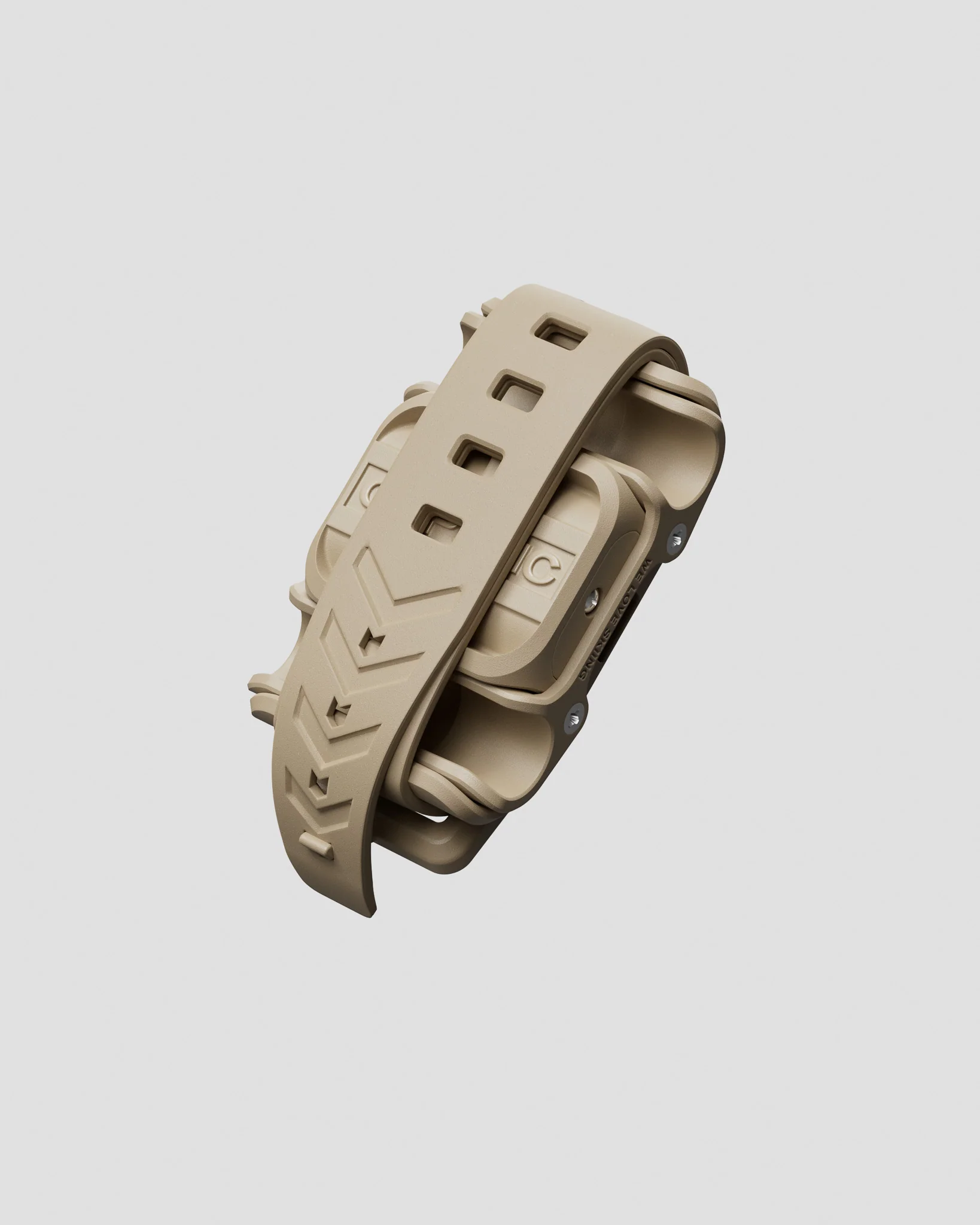
Missing a hand while carrying ski gear?
A friend of mine created Clipstic, the easy way to attach your poles to your skis! Using this link you get 10% off as well as support for Pick-a-ski!
Check it out!Not sure the M pro 108 ti is your ski?
Answer a few quick questions and the ski selector matches you with the right skis from 800+ models — free, no sign-up.