Overview
The DPS Kaizen 105 is the wider, more freeride-leaning sibling of the Kaizen 100. With a 105 mm waist and a longer 18 m turn radius at 179 cm, it trades a touch of the 100's snap for more stability and directional confidence in bigger, open terrain. It is a carbon-built, lightweight all-mountain freeride ski — around 1800 g per ski at 179 cm — light enough to cross into occasional backcountry use, yet planted enough to be driven hard on the resort. This is a directional ski built for skiers who like to point it and stay forward, not a park or freestyle tool.
On-snow performance
On snow the Kaizen 105 feels lively and energetic, a signature of its aerospace-grade carbon layup. The 40% tip-and-tail rocker with 60% effective edge floats the shovel in soft snow while keeping a usable platform underfoot for firmer conditions. The longer 18 m radius makes it noticeably more stable and directional than the quicker 15 m Kaizen 100, favouring bigger arcs and open faces over tight, technical trees. It rewards an active pilot: stay centred and drive the tips, and it delivers energy out of every turn. Ease off, and the light carbon build asks for more input than a heavier metal ski would. In variable snow it stays composed for its weight, though it is less naturally damp than a metal-laminate freeride ski when the snow gets chopped up at speed.
Construction & specs explained
At the core of the Kaizen 105 is DPS's Split Core: a two-part wood core pairing a Poplar upper with an Ash lower, joined along a horizontal bond line to maximise damping. That core is wrapped in two aerospace-grade carbon-fibre laminates for a light, lively, torsionally stiff chassis, and finished with steel edges. The profile is Rocker / Camber / Rocker with 40% tip and tail rocker and 60% effective edge. At 179 cm the sidecut is 134 / 105 / 118 mm for an 18 m radius, and the ski comes in 155, 163, 171, 179, 184 and 189 cm. DPS's optional Phantom permanent base treatment is available in place of traditional waxing.
Who it's for & comparisons
The Kaizen 105 suits active, directional freeride skiers who want a light chassis they can push in open terrain and take touring on occasion. If you want a more playful poplar-core benchmark, look at the Black crows Atris. For a light metal-topped reference with a bit more damping, the Head Kore 106 Ti is the obvious rival, while the heavier, metal Nordica Enforcer 104 is more planted at speed but less tourable. In-house, the quicker 15 m DPS Kaizen 100 is the nimbler pick, and the wider DPS Wailer 107 leans further into powder.
Pros, cons and verdict
Pros
- Light enough (~1800 g) to cross into backcountry use.
- Lively, energetic carbon layup that springs out of turns.
- Stable and directional at the longer 18 m radius.
- Split Core adds damping for its weight class.
Cons
- Carbon build is demanding and rewards a constantly active pilot.
- Less naturally damp than a metal ski at speed in chopped snow.
- The 18 m radius is less nimble in tight trees than the Kaizen 100.
- Directional character means it is not a park or freestyle ski.
Verdict: The DPS Kaizen 105 is a light, lively, directional freeride ski for skiers who stay forward and like to open up the terrain. Reward it with an active stance and it returns energy everywhere; those wanting metal-like calm at speed should weigh the Enforcer 104 instead.
The neighbourhood
its nearest skis on the map, by character — not by brandQuestions & opinions
User reviews
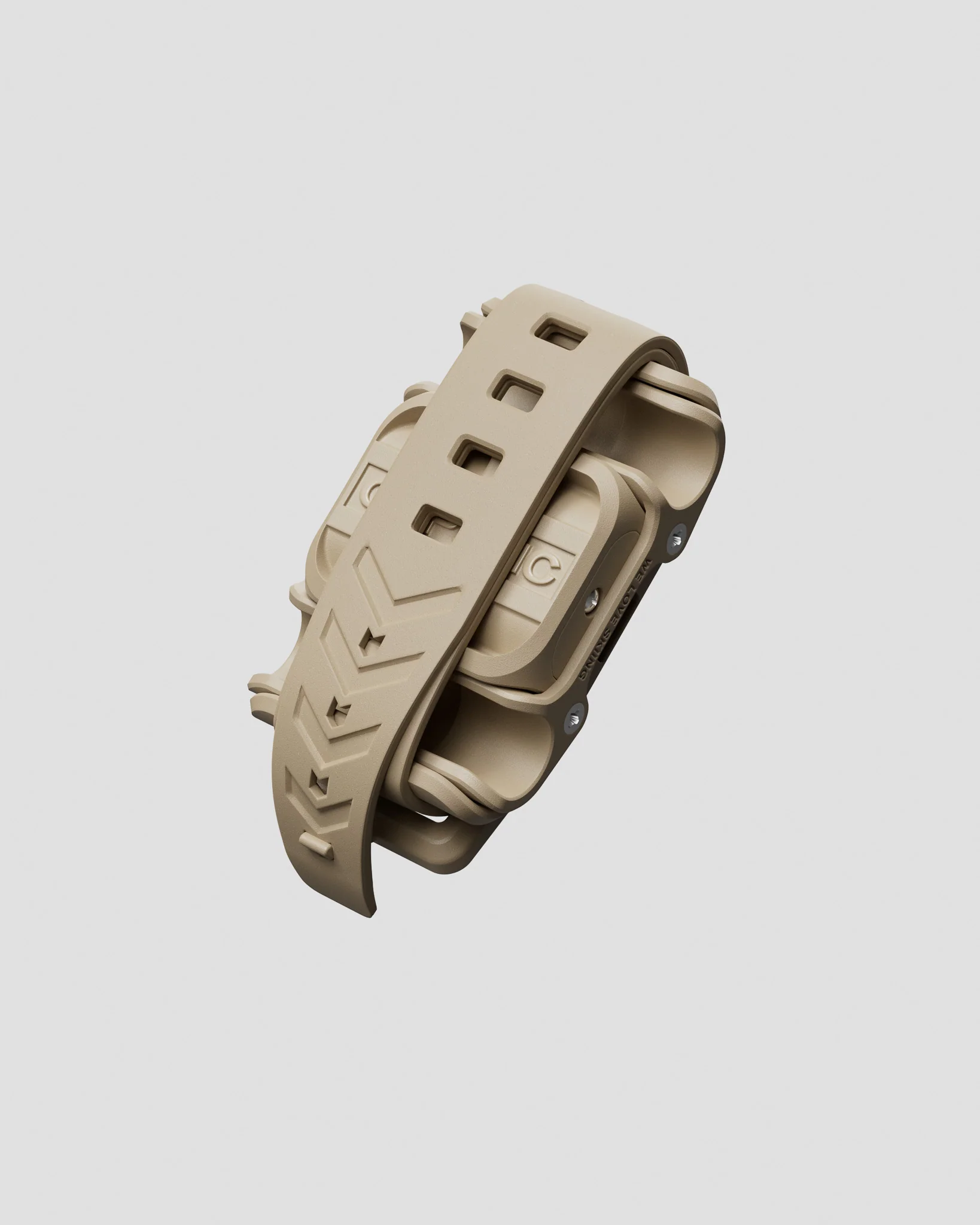
Missing a hand while carrying ski gear?
A friend of mine created Clipstic, the easy way to attach your poles to your skis! Using this link you get 10% off as well as support for Pick-a-ski!
Check it out!Not sure the Kaizen 105 is your ski?
Answer a few quick questions and the ski selector matches you with the right skis from 800+ models — free, no sign-up.