C-Raider 12 review
ATK C-Raider 12 review: 326 g carbon-reinforced DIN 5-12 tech tour binding, 6 brake widths, 12 mm elastic travel. Pros, cons, comparisons.
Chassis
tech · alpine touringOverview
The ATK C-Raider 12 is the carbon-reinforced lightweight variant of ATK's Raider 12 platform, adding a 30% carbon-fiber composite to the chassis for weight savings without sacrificing the Raider's full-pin tech architecture and DIN 5-12 release window. It is positioned for skiers who want the Raider's freeride-tour capability with the lowest possible per-binding weight in that class.
Who is it for?
- Advanced and expert tourers in the 5-12 DIN release window who want a lighter Raider 12.
- Skiers pairing with freeride-tour skis in the 86-120 mm waist range.
- Tourers who value swing weight on long skin tracks and prioritise climbing efficiency.
- Mountaineers who want the elastic retention of the Raider line in a carbon-built chassis.
Specs and what they mean
- DIN 5-12: wide adult expert release window with adjustable vertical and lateral release.
- Weight 326 g per binding [97 mm brake]: lighter than the standard Raider 12 (345 g) and Raider 12 SL (330 g), thanks to the carbon composite. Heavier than the brakeless Kuluar 12 SL (180 g) but with full elasticity and release tuning.
- Brake widths 86 / 91 / 97 / 102 / 108 / 120 mm: full Raider-line range — fits everything from narrow tour skis to fat freeride.
- 12 mm heel elastic travel (Elastic Response System): stable release forces as the ski deflects under chunder and chop.
- Walking riser heights flat + 4: more positions than the Crest 8 — extra granularity for long climbs and varied skin tracks.
- 25 mm boot-sole length adjustment: broader than Crest 8's 20 mm — accommodates more boot variation without remounting.
- Tech (pin) only: requires boots with tech inserts in toe and heel.
On-snow performance
The C-Raider 12 delivers the Raider 12's signature release behavior with notably reduced rotational mass. The 30% carbon fiber composite in the chassis stiffens the binding's structural feel without adding weight, and the Elastic Response System keeps retention consistent under hard loads. Walking transitions are smooth — the asymmetric toe springs and low-friction heel rotation make it efficient on long skin tracks. On the descent, the binding's elastic travel is what separates it from race-style pin bindings: hard landings and chunder don't pre-release the way they do on Kuluar-class skimo bindings.
Durability and service
7075 aluminum + stainless steel + POM + 30% carbon fiber composite. The carbon-reinforced areas are typically the heel housing and parts of the chassis, increasing stiffness with minimal weight. Service follows ATK's standard pattern: dealer-side for re-springing or pin replacement, user-doable for brake swaps. The C-Raider 12 has been flagged at some retailers as discontinued (replaced by the Raider 12 SL); confirm availability before ordering.
Mounting and brake sizing
Select brake within ~5 mm of ski waist: 86 mm for 80-86 mm, 91 mm for 86-91 mm, 97 mm for 91-97 mm, 102 mm for 97-102 mm, 108 mm for 102-108 mm, 120 mm for 108-120 mm. ATK recommends ski widths 85-120 mm. Mount with tech-insert boots only; ATK ski crampons mount via the standard toe interface.
Comparisons
- ATK Raider 12 sl — the SuperLight version (~330 g) that ATK positioned as the C-Raider 12 successor. Comparable weight; SL drops a few features for further weight savings.
- ATK Raider 12 ap — the freeride-tuned Raider 12 with AP brake (345 g). Pick AP for freeride days; C-Raider 12 if weight matters more.
- ATK Raider 13 evo — newer DIN 13 platform with elastic travel and freeride bias. Higher DIN ceiling than the C-Raider 12.
- ATK Rt 11 evo — race-touring DIN 3-11 at similar weight (325 g). Pick RT 11 evo for race-tour use, C-Raider 12 for freeride-tour at high DIN.
Frequently asked questions
Q: Is the C-Raider 12 still in production? A: Availability varies. Some retailers list it as discontinued and replaced by the Raider 12 SL (which has similar weight but slightly different feature set). Confirm stock before committing.
Q: How much weight does the carbon save vs the standard Raider 12? A: Roughly 20 g per binding (326 g vs ~345 g). Not dramatic, but meaningful over a season of long tours.
Q: Can I remove the brake? A: Yes — the brake assembly is removable; ATK supplies a cover. Saves around 25-30 g.
Q: What's the difference between C-Raider 12 and C-Raider 12 AP? A: The AP variant uses ATK's anti-pivot brake system, which arms automatically and is more freeride-oriented. The standard C-Raider 12 uses the conventional brake.
Q: Will it work with my freeride touring ski at 112 mm waist? A: Yes — 120 mm brake width is available, and the ski-width recommendation goes to 120 mm. The binding is well within its design range at 112 mm.
Questions & opinions
User reviews
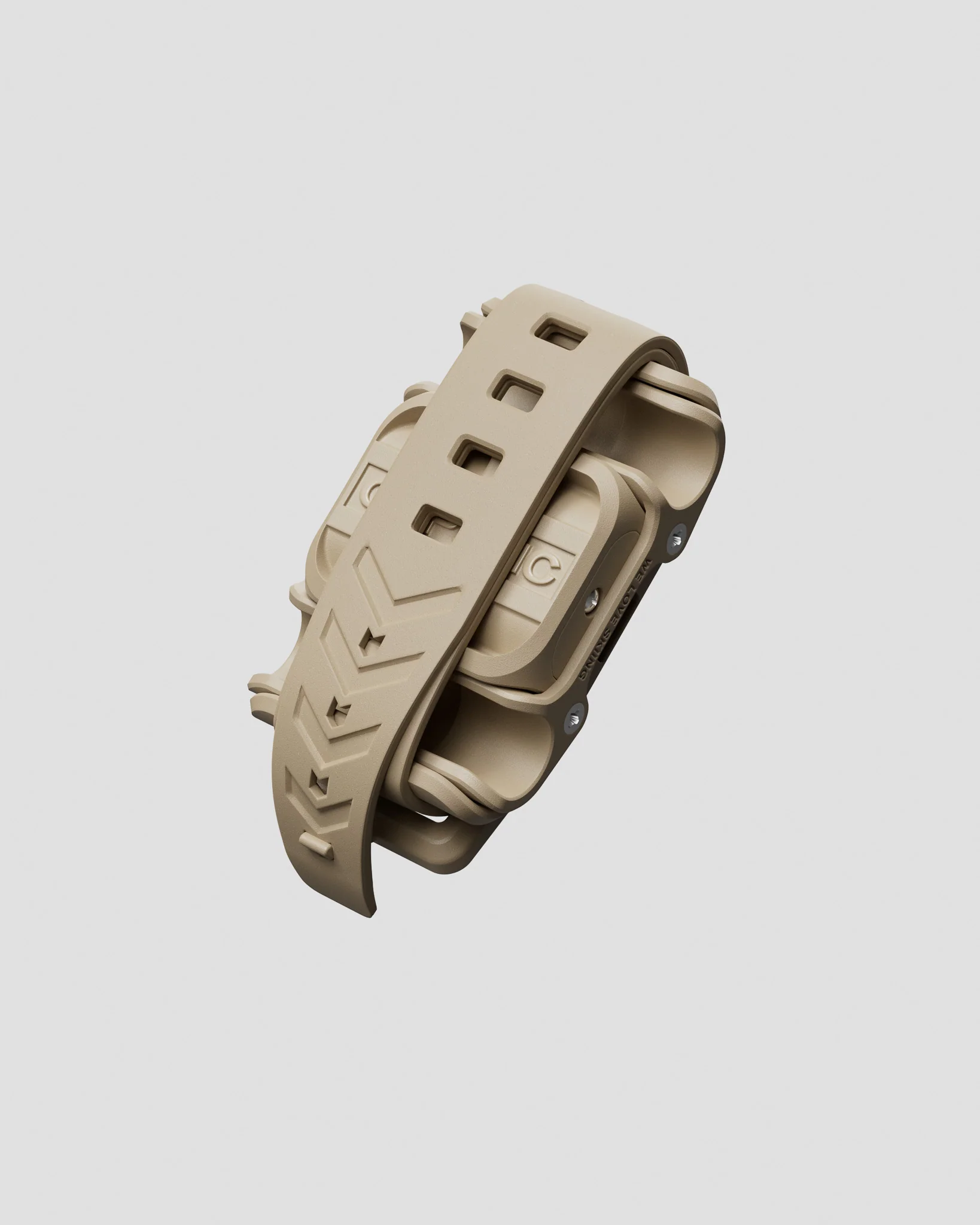
Missing a hand while carrying ski gear?
A friend of mine created Clipstic, the easy way to attach your poles to your skis! Using this link you get 10% off as well as support for Pick-a-ski!
Check it out!