Laser wrt pro review
Expert review of the Stöckli Laser WRT Pro: stability, edge grip, acceleration, sizing tips, pros/cons, plus comparisons to Head e‑Race Pro and Fischer RC4 CT.
Overview
The Stöckli Laser WRT Pro is a no‑compromise on‑piste race‑carver aimed at short to medium turns and very high speeds. If you bring strong technique and pressure, it rewards you with razor‑sharp edge hold, exceptional high‑speed calm, and explosive acceleration out of the turn.
Who is it for?
Advanced to expert skiers (including ex‑racers) who want maximum precision and power on hard snow and groomers, prioritizing carve performance over versatility.
Construction & tech
- Sandwich build with Racing Graphite base and Titanal Technology Pro topsheet: delivers race‑level damping, stability, and glide durability.
- Carbon Power Turn (carbon insert under the plate): boosts end‑of‑turn pop and agility.
- Full Edge Contact geometry, Solid Metal Edge, and Racing Sidewalls: direct power transfer and long‑lasting edge integrity.
- Tip rocker with camber underfoot; tail is race‑oriented for strong finish and grip.
On‑snow performance
- Edge hold: Bites immediately on ice and early‑morning corduroy, holding a locked edge even when you pressure a tighter radius.
- Turn initiation: Low, wide shovel with subtle tip rocker gives quick, precise entry without twitchiness.
- Stability & damping: Feels dead‑calm at speed; titanal and plate soak up vibration impressively.
- Energy & rebound: Load the mid/tail and you get a powerful kick and acceleration out of each carve.
- Forgiveness: Not much. Ski it actively and centered; passive or backseat skiing gets punished.
- Mixed snow: In softer or cut‑up snow the 67 mm waist and stout tail can feel “stuck” unless you stay decisive.
Sizing & mount
- Lengths: 158 / 166 / 172 / 178 cm. Most strong skiers choose 172 cm; heavier or very aggressive skiers go 178; lighter/compact skiers 166; 158 for smaller/lighter riders or a slalom‑leaning feel.
- Mount: Use the factory plate position. For a slightly looser feel, ask your tech for a gentle tip detune and confirm your preferred base/side edge angles.
Comparisons
- Head Worldcup Rebels e‑Race Pro: similar precision; Head feels a touch more immediate, Stöckli is more damp with richer rebound.
- Fischer RC4 CT: Fischer is a GS‑tempo rock; WRT Pro is nimbler in short‑to‑medium turns with equally ferocious grip.
- Atomic Redster S9 Revo: S9 is more playful in tight arcs; WRT Pro is heavier, calmer, and more powerful at speed.
- Blizzard Firebird HRC: HRC is a broader‑radius frontside charger; WRT Pro is more race‑honed with crisper entry and exit.
Potential drawbacks
- High entry barrier: demands skill, fitness, and active pressure management.
- Narrow waist (≈67 mm): best on groomers; not ideal for slush, bumps, or off‑piste dabbling.
- Price and upkeep: premium price; benefits from meticulous tuning and regular service.
Specs and what they mean
- Rocker profile: Tip rocker with camber – quick turn entry with strong underfoot/finish grip for race‑like precision.
- Sidecut (tip‑waist‑tail): ≈119‑67‑101 mm – narrow waist for lightning‑fast edge changes and hard‑snow accuracy.
- Radius by length: 158: ≈12.3 m; 166: ≈13.7 m; 172: ≈14.8 m; 178: ≈16.0 m – short‑to‑medium turn shapes with race DNA.
- Weight (pair, by length): ≈3.3–3.9 kg – adds damping and a planted, confidence‑inspiring feel.
- Available lengths: 158, 166, 172, 178 cm – choose by speed, weight, and how aggressively you ski.
Key takeaways
- Precision carver: locked‑in grip and high‑speed stability.
- Explosive exits: CPT and titanal deliver serious drive out of the turn.
- Expert focus: hugely rewarding for skilled skiers; not forgiving.
Frequently asked questions
Q: Is the Stöckli Laser WRT Pro suitable for intermediates?
A: Only if you’re rapidly progressing. It’s stiff, damp, and very direct. For relaxed cruising, consider the Laser SC or AX instead.
Q: What length should I choose in the WRT Pro?
A: Most advanced skiers pick 172 cm. Go 178 cm if you’re heavier/aggressive or ski GS speeds; 166 for lighter/compact skiers; 158 for smaller/lighter or a slalom‑biased feel.
Q: How does the WRT Pro differ from the regular WRT?
A: The Pro uses more race‑oriented materials/tuning (e.g., Titanal Technology Pro, CPT), feels stiffer and more damp, and delivers greater acceleration and stability.
Q: Are the published weights per ski or per pair?
A: Retailers typically list pair weights (≈3.3–3.9 kg depending on length). Ask your shop for exact per‑ski mass if that matters to you.
The neighbourhood
its nearest skis on the map, by character — not by brandQuestions & opinions
User reviews
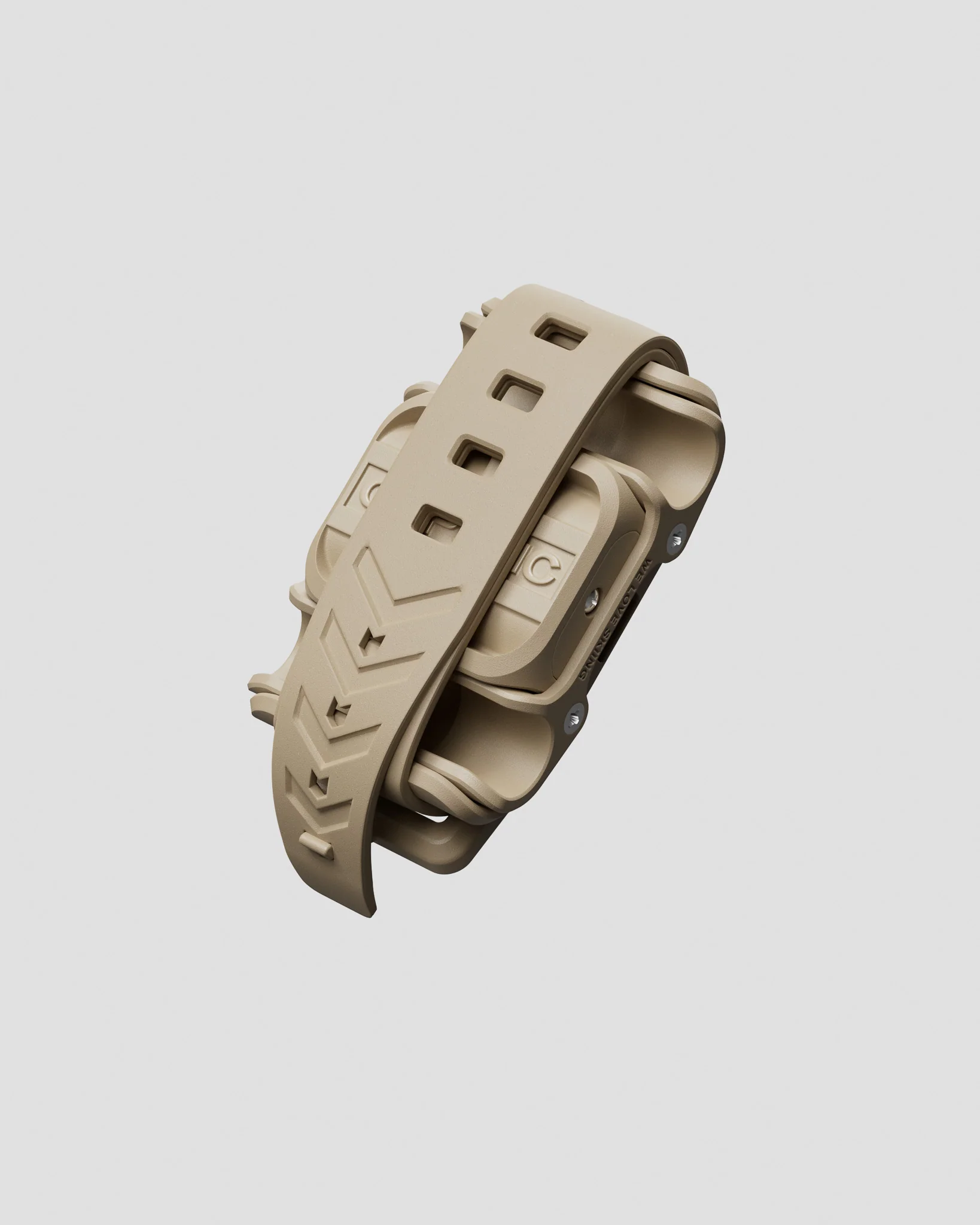
Missing a hand while carrying ski gear?
A friend of mine created Clipstic, the easy way to attach your poles to your skis! Using this link you get 10% off as well as support for Pick-a-ski!
Check it out!Not sure the Laser wrt pro is your ski?
Answer a few quick questions and the ski selector matches you with the right skis from 800+ models — free, no sign-up.