Laser wrt dh review
In‑depth Stöckli Laser WRT review: edge grip, stability, rebound, sizing tips. Comparisons vs Hero Elite, Redster, Supershape, and The Curv.
Overview
The Stöckli Laser WRT is a race‑inspired sport carver built for precision, edge grip, and speed. It thrives in short‑to‑medium radius arcs with remarkable stability and an energetic kick out of the turn. If you love clean carving on firm snow, this ski feels like a scalpel.
Who it’s for
- Advanced to expert skiers who spend 90–100% of their time on groomers.
- Ex‑racers or carve enthusiasts seeking tight, high‑speed turns and a composed, damp ride.
- Riders prioritizing edge hold and accuracy over off‑piste versatility.
Not ideal for beginners, deep snow, or those wanting a playful, forgiving all‑mountain.
On‑snow performance
- Edge grip: Outstanding. The 66–67 mm waist and Full Edge Contact lock in on ice and boilerplate, delivering that “on rails” feel.
- Turn shape and energy: Snappy and rewarding. Carbon Power Turn and the race sandwich construction produce lively rebound and acceleration out of the turn.
- Stability and damping: Excellent at speed; the ski stays composed through vibrations and ripples. It responds best to forward, centered, active skiing.
- Forgiveness: Lower than a wider frontside carver. You can feather a skid, but the Laser WRT really shines when tipped and pressured.
Best use and conditions
- Early‑morning corduroy to hard/icy groomers.
- Short‑to‑mid radius carving and high‑tempo training laps.
- Technical piste skiing with precise line choice.
Less at home in heavy afternoon chop, zipperline bumps, or soft/deep days—the waist is narrow and the DNA is race‑first.
Construction & tech highlights
- Sandwich sidewall with racing materials: direct power transfer and torsional rigidity.
- SME (Solid Metal Edge): wider edges for durability and consistent bite.
- FEC (Full Edge Contact): extended effective edge for quick engagement.
- CSC/CPT (Carbon Steering Control / Carbon Power Turn): targeted carbon for stability, precise steering, and out‑of‑turn pop.
- Racing‑graphite base: fast when well‑tuned and waxed.
Note: WRT versus WRT Pro variants can differ in laminates/plate and feel; the Pro typically turns the dial up on power and damping. Confirm the exact SKU.
Specs explained
- Rocker profile (tip rocker + camber): quicker initiation from tip rocker; camber underfoot drives grip, energy, and rebound.
- Tip/Tail width (≈118–119 / 100–101 mm): a confident, quick‑to‑hook tip and a precise, driving tail that accelerates across the fall line.
- Waist (≈66–67 mm): ultra‑fast edge‑to‑edge with maximum hard‑snow grip; piste‑first orientation.
- Radius (12.3–16.0 m by length): shorter lengths for tighter, playful arcs; longer for top‑end stability and GS‑leaning turns.
- Weight (~1856 g per ski at 178 cm, retailer listed): promotes a damp, planted feel without feeling dead. Manufacturer listings may not show exact weights by length.
- Available lengths (158/166/172/178): size down for nimbleness and quickness; size up for calmness and speed stability.
Sizing advice
- Technical carvers: body height minus 5–10 cm for quicker, shorter turns.
- Speed‑oriented/ex‑racers: body height to +5 cm for more stability and edge hold at pace.
Comparisons
- Rossignol Hero Elite ST Ti: more accessible and lively at low speeds; the WRT is damper, more precise, and more composed at high speed.
- Atomic Redster S9/Revo: similarly tenacious on edge; the WRT often feels more refined and silky on rougher groomers.
- Head Supershape e‑Speed: more versatile and forgiving; the WRT is quicker edge‑to‑edge with a higher speed ceiling and racier feel.
- Fischer RC4 The Curv: both precise; The Curv can feel a bit sterner in the tail, while the WRT rides exceptionally smooth and planted.
Pros and cons
- Pros: phenomenal edge hold; energetic rebound; high speed stability; premium finish and longevity.
- Cons: demands solid technique; narrow use‑case (frontside only); premium price.
Frequently asked questions
Q: Who is the Stöckli Laser WRT for?
A: Advanced to expert piste skiers who value precision, edge grip, and stability. The Stöckli Laser WRT rewards clean carving and active stance.
Q: What’s the difference between WRT and WRT Pro?
A: The WRT Pro typically adds stiffer laminates/plate and a more aggressive tune. Expect more damping and power, but it asks more from the pilot. Verify your exact SKU.
Q: 66 vs 67 mm waist—does it matter?
A: Minor, model‑year/length‑dependent variance. On snow, the ski’s character is the same: a narrow, fast‑rolling hard‑snow specialist with elite grip.
Q: How does it handle late‑day chop?
A: Respectably for its class, but it’s still a narrow race‑carver. It cuts through some push piles, yet it’s happiest on clean, firm groomers.
Key takeaways
- Locked‑in edge hold for true hard‑snow carving.
- Powerful rebound and acceleration out of the turn.
- Impressively calm at high speed.
- Piste‑only focus; rewards good technique.
The neighbourhood
its nearest skis on the map, by character — not by brandQuestions & opinions
User reviews
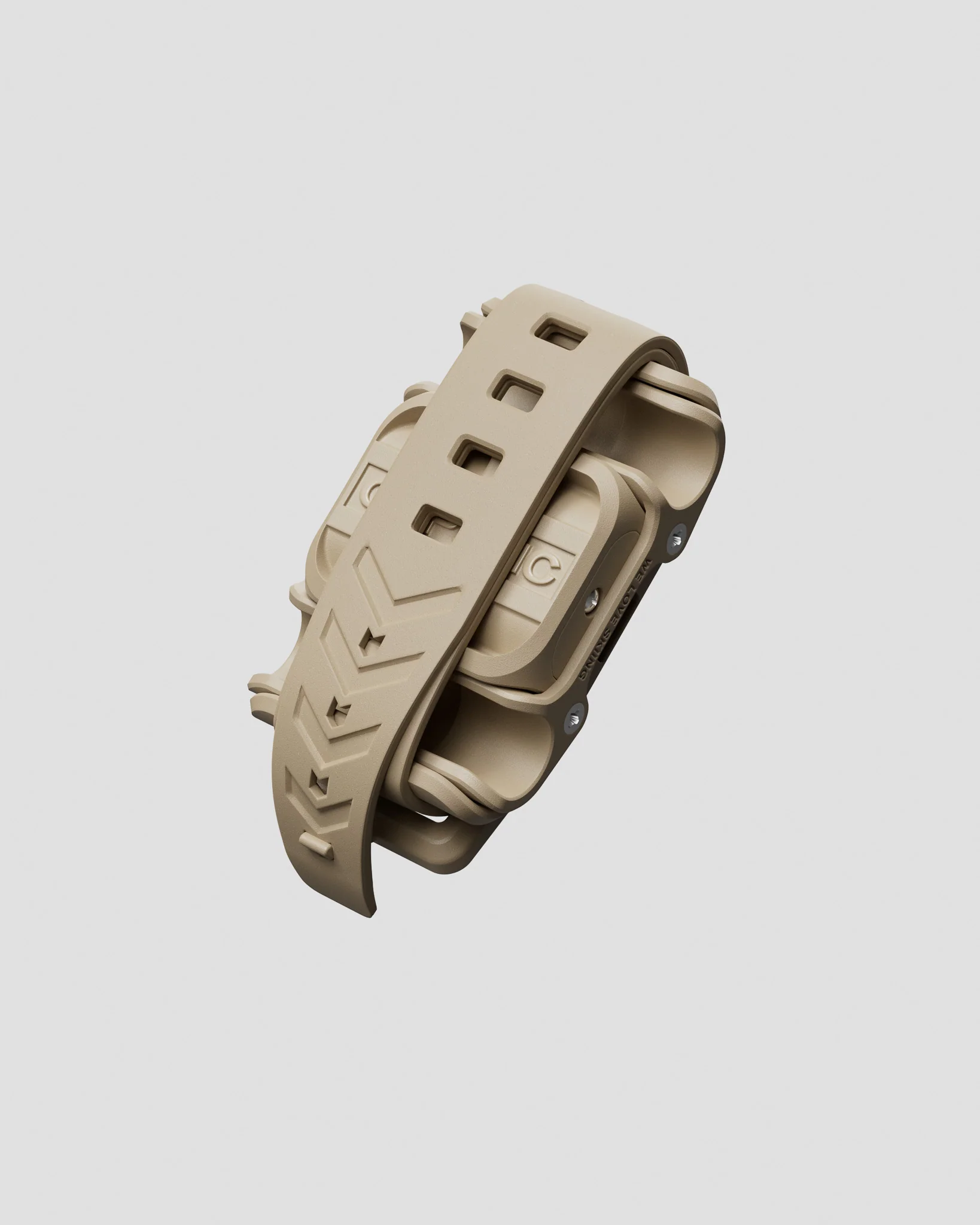
Missing a hand while carrying ski gear?
A friend of mine created Clipstic, the easy way to attach your poles to your skis! Using this link you get 10% off as well as support for Pick-a-ski!
Check it out!Not sure the Laser wrt dh is your ski?
Answer a few quick questions and the ski selector matches you with the right skis from 800+ models — free, no sign-up.