Laser sl fis review
Stöckli Laser SL FIS reviewed: edge grip, rebound, setup tips, who it’s for, pros/cons, and how it stacks up to Head, Atomic, Fischer, and Rossignol on hard snow.
The Stöckli Laser SL FIS is a purpose-built slalom race ski: full camber, 66 mm underfoot, and a short, snappy radius for lightning-fast edge changes and vice-like grip. It blends Swiss refinement with race-room stiffness and explosive rebound, rewarding precise technique and high edge angles.
Who is it for?
- FIS/masters racers who demand unwavering edge hold, instant response, and turn-to-turn acceleration.
- Expert piste carvers focused on short, high-tempo arcs on firm snow.
- Not ideal for intermediates or anyone seeking a forgiving, all-mountain ride.
On-snow performance
- Edge hold and precision: Full camber and strong torsional rigidity let the ski lock into ice and hardpack. It bites immediately and tracks with surgical accuracy.
- Turn initiation and tempo: The narrow waist and tight sidecut make for split-second transitions. Cross-under slalom technique is rewarded with relentless rhythm.
- Energy and rebound: Titanal laminates store and release energy, launching you from the apex with authority—easy to “ping” turns when centered and active.
- Stability: Exceptionally stable at slalom speeds and radii. Push into GS speeds and long turns and it reminds you it wants to snap back to short, aggressive arcs.
- Forgiveness: Demanding and exacting—late pressure or backseat habits get punished. Compared with some burlier RD skis, the Stöckli feels more refined and damp without losing bite.
Conditions and terrain
- Best for: early-morning corduroy, firm groomers, injected or icy race sets.
- Less ideal: soft piles, slush, bumps, and powder—66 mm underfoot and no rocker require accurate pressure management.
Setup and tuning tips
- Plate/binding: Pair with a proper race plate and stout binding to maximize leverage and edge hold.
- Tune: Many racers choose 0.5° base / 3° side (or 1°/3°) for confident ice grip. The Racing Graphite base thrives on frequent hot-waxing and temperature-appropriate structure.
Specs and what they mean
- Rocker profile: Full/traditional camber — maximizes effective edge for bite and lightning edge-to-edge.
- Tip / Waist / Tail: ~120 / 66 / ~98 mm — narrow waist for quickness; supportive tail for strong finishes and acceleration.
- Weight: ~3.34–3.59 kg per pair (no bindings, length-dependent) — substantial, damp race feel without feeling cumbersome.
- Radius: ~12.2 m (155/156), ~12.3 m (160), ~12.4 m (165) — tight radius enables snap-turn slalom lines and fast rhythm.
- Available lengths: 155/156/160/165 cm — choose by body size, FIS category, course set, and preference.
- Construction: Sandwich sidewall, wood core with metal, Racing Graphite base — a proven recipe for precision, damping, and speed.
Comparisons
- Head Worldcup Rebels e-SL RD: The Head is the burliest and most physically demanding; the Stöckli rides more refined and damp yet equally authoritative on edge.
- Atomic Redster S9 FIS: Razor-sharp and lively; Stöckli offers a touch more calmness and smoothness at speed.
- Fischer RC4 Worldcup SL: Very quick and accessible; Stöckli delivers a more planted carve and stronger turn finish.
- Non-FIS alternative: Stöckli Laser WRT (or WRT Pro) if you want race DNA with greater piste versatility and lower fatigue.
Pros and cons
- Pros: phenomenal ice grip; instant edge-to-edge; explosive rebound; refined, damp race feel.
- Cons: technique- and fitness-demanding; limited versatility off firm groomers; prefers short turns over long-radius cruising.
Key takeaways
- Grip specialist: Full camber and metal layup create race-level edge hold.
- Short-turn weapon: Rewards active slalom technique with speed and snap.
- Purpose-built: Narrow, no-rocker design excels on-piste; not an all-rounder.
Frequently asked questions
Q: Can I use the Stöckli Laser SL FIS as a daily driver?
A: Only if your “daily” means firm groomers and short, energetic turns. For mixed conditions or relaxed carving, consider the Laser WRT or a more versatile frontside ski.
Q: What length should I choose?
A: 165 cm for most men’s FIS/masters, 155/156 cm for women and lighter racers; 160 cm suits lighter or technical skiers. Factor in course sets, weight, and preference.
Q: How does it handle ice?
A: Exceptionally well. Full camber, torsional rigidity, and sharp 0.5–1° base/3° side tunes deliver anchored bite and calm tracking on boilerplate.
The neighbourhood
its nearest skis on the map, by character — not by brandQuestions & opinions
User reviews
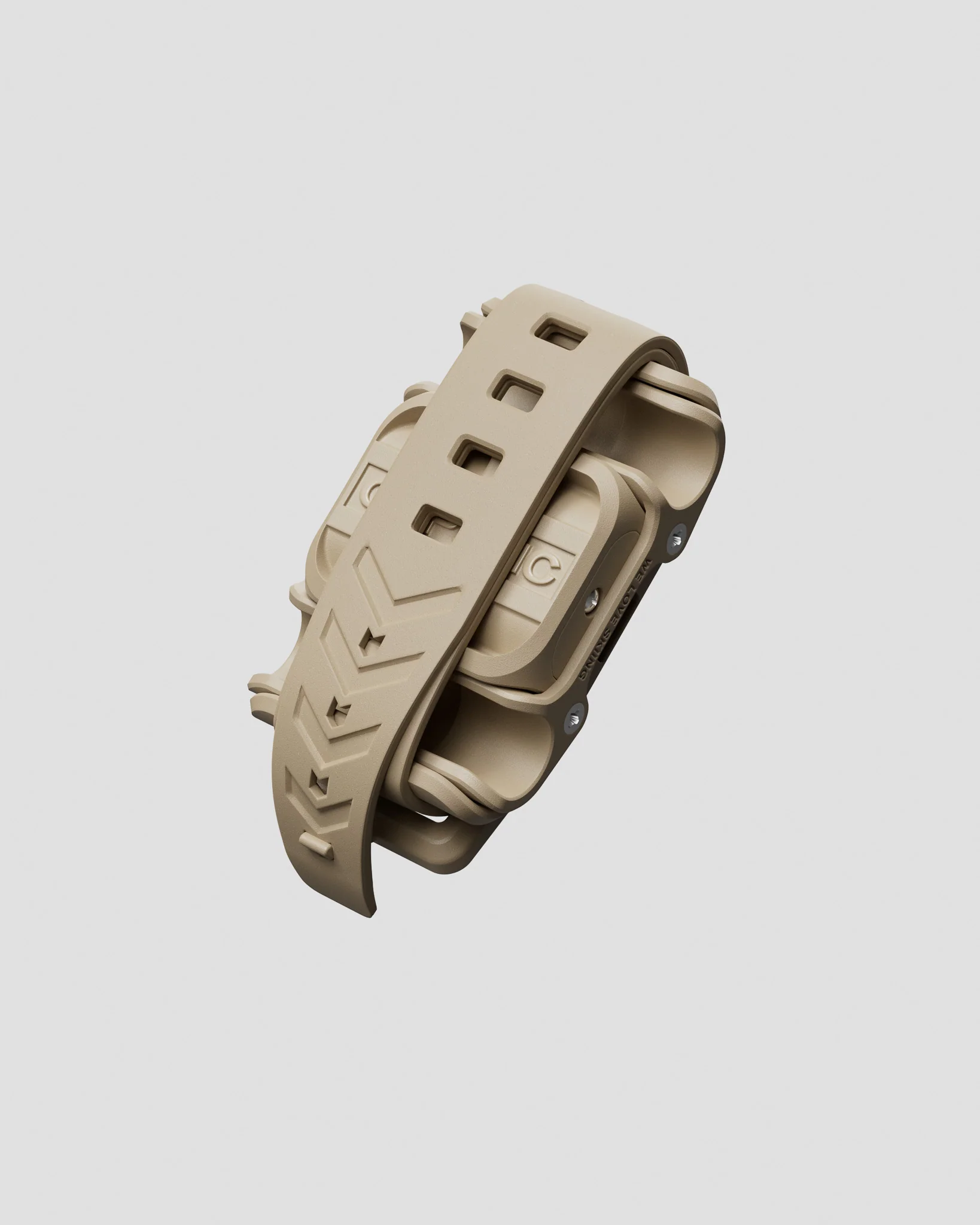
Missing a hand while carrying ski gear?
A friend of mine created Clipstic, the easy way to attach your poles to your skis! Using this link you get 10% off as well as support for Pick-a-ski!
Check it out!Not sure the Laser sl fis is your ski?
Answer a few quick questions and the ski selector matches you with the right skis from 800+ models — free, no sign-up.