The Stöckli Laser SC (Kurzschwung) is a Swiss‑built frontside carver that blends race‑bred precision with day‑long composure. It’s not a pure SL race ski, but it delivers effortless short turns, secure medium arcs, and standout edge hold with a plush, damp feel.
On‑snow performance
- Edge grip and stability: Full camber, strong torsional support, and quality factory tune deliver confidence on hard and even icy snow. The ski remains calm and low‑vibration as surfaces get choppy.
- Turn shape and energy: Initiation is intuitive (Flex Torsion Control helps the tip engage), with quick edge‑to‑edge transitions. It loves short carved turns yet holds a steady medium radius without drama.
- Speed range: A bigger sweet spot than a true SL. It’s lively at low–mid speeds and composed when pushed, though it’s not aiming for GS‑level top speed.
- Comfort: Damped and refined. It rewards good input but is less punishing than full‑blown race stock.
Ideal buyer
- Advanced (and strong advancing) skiers seeking a premium on‑piste carver for daily frontside use, prioritizing short to medium turns and top‑tier edge grip.
- Less ideal if you ski off‑piste frequently or want a very forgiving learning platform; a softer, wider carver may suit better.
Construction and tech
- Sandwich sidewall with Race Core (beech/poplar) and metal laminates for grip, damping, and longevity.
- Flex Torsion Control (S‑shaped notch) aids easy tip engagement and balanced pressure through the turn.
- Full Edge Contact and wider Solid Metal Edge promote early shovel bite and durability.
- Size Optimized Construction tunes flex by length.
Comparisons
- SL‑leaning carvers: Atomic Redster S9, Rossignol Hero Elite ST Ti – more bite and urgency, but less relaxed versatility.
- All‑round frontside: Head Supershape e‑Original/e‑Rally, Fischer RC4 The Curv – a bit more accessible, typically less damp/precise than the Stöckli.
- Premium damping peers: Blizzard Thunderbird R13 – similar composure with a different radius emphasis.
Length and setup tips
- Length: body height minus 5–15 cm is a solid guideline; go shorter for ultra‑short turns or lighter skiers, longer for stability and medium‑radius confidence.
- Plates/bindings: SRT/WRT systems increase precision and edge pressure; they add some weight and accentuate the on‑rails feel.
- Tune: factory 1.0° base / 2.0° side is a well‑balanced starting point for strong grip without hookiness.
Pros and cons
- Pros: exceptional edge hold and damping; easy, precise initiation; premium finish; versatile across frontside conditions.
- Cons: expensive; not meant for soft/deep snow; rewards active technique; plate/binding adds weight.
Specs and what they mean
- Rocker profile: Full camber (traditional). Maximizes edge contact and precision on firm snow. Older SCs sometimes had a mild tip rocker.
- Tip/waist/tail (120/70/102 mm): Narrow 70 mm waist drives fast edge changes and clean carving; the modest tail width promotes a controlled release.
- Weight: approx. 3.7–3.85 kg per pair (varies by length). More mass = more composure and vibration control at speed and in chop.
- Radius by length: about 11.6 m (152) – 16.0 m (176). Shorter sizes are snappier; longer sizes offer more stability and medium‑arc poise.
- Available lengths: 152, 158, 164, 170, 176 cm. Choose by weight, skill, and preferred turn shape.
Key takeaways
- Race‑inspired grip and calmness without SL harshness.
- Short turns shine; medium arcs are steady and smooth.
- Premium Swiss build: precise, durable, and refined.
Frequently asked questions
Q: Is the Stöckli Laser SC (Kurzschwung) too demanding for daily skiing?
A: Not for advanced skiers. It’s more composed and forgiving than a pure SL race ski, yet it still rewards good technique. Many strong intermediates can grow into it.
Q: How does it handle ice?
A: The Stöckli Laser SC Kurzschwung excels on hard and icy pistes thanks to full camber, torsional stiffness, and sharp edges. Expect early tip engagement and secure pressure through the turn.
Q: Can it manage slush or afternoon chop?
A: Yes within frontside limits. Its damping and mass keep it settled, but the 70 mm waist remains piste‑focused. For true off‑piste or deep days, consider something wider.
The neighbourhood
its nearest skis on the map, by character — not by brandQuestions & opinions
User reviews
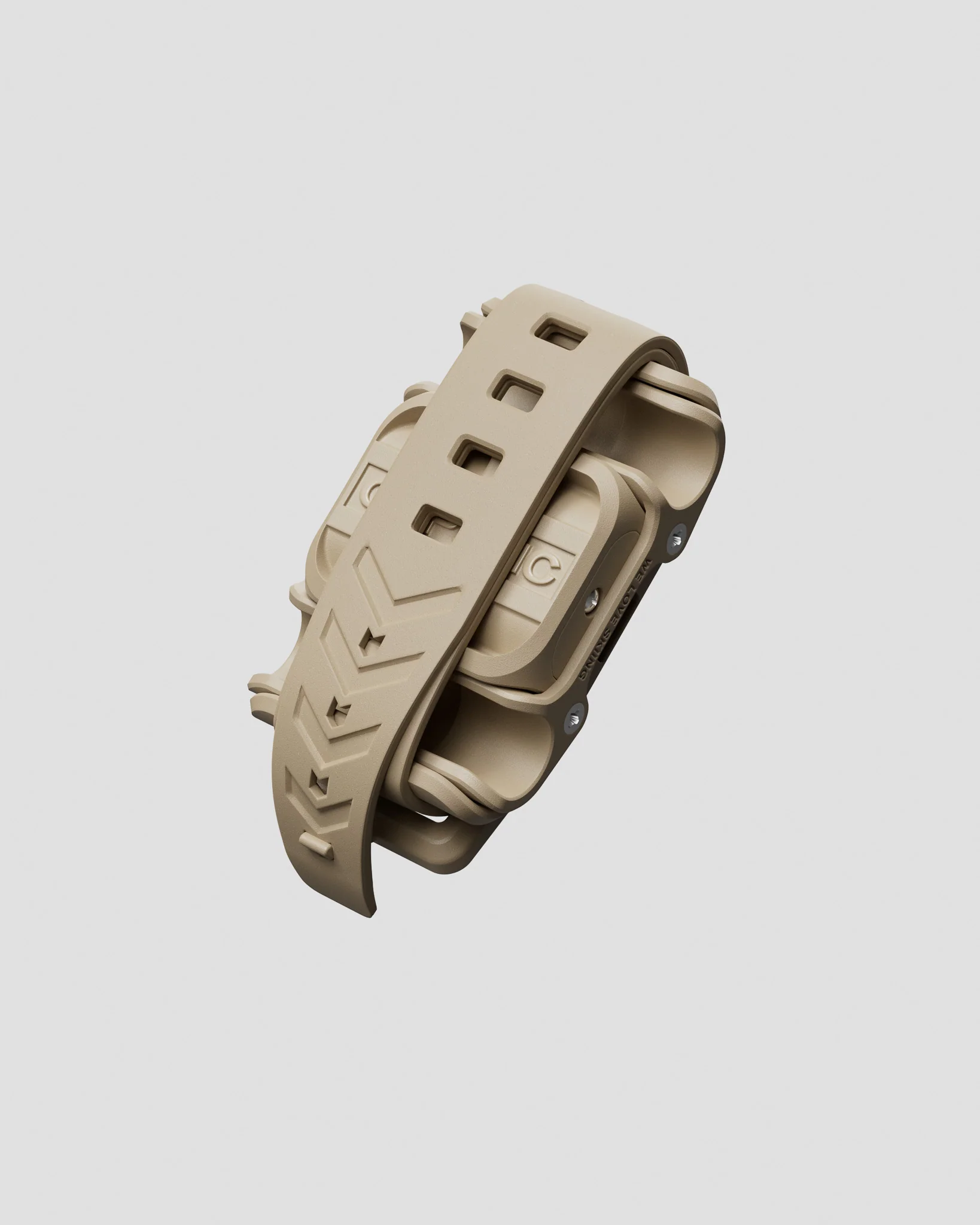
Missing a hand while carrying ski gear?
A friend of mine created Clipstic, the easy way to attach your poles to your skis! Using this link you get 10% off as well as support for Pick-a-ski!
Check it out!Not sure the Laser sc kurzschwung is your ski?
Answer a few quick questions and the ski selector matches you with the right skis from 800+ models — free, no sign-up.