Laser gs fis junior review
Objective review of the Stöckli Laser GS FIS Junior: ice‑grip, speed stability, length‑specific GS radii, plus sizing, setup and tuning tips for serious junior racers.
Overview
The Stöckli Laser GS FIS Junior is a purpose‑built junior giant slalom race ski. It rewards clean fundamentals with razor grip, a calm platform at speed, and repeatable GS arcs. It is not a playful all‑mountain option; think training lanes, salted courses, and hard early‑morning corduroy.
Who is it for?
- U12–U16 racers and dedicated club athletes training and competing regularly.
- Skiers who prioritize edge grip and stability on hard snow.
- Not ideal for beginners or casual skiers; not intended for soft‑snow freeride.
On‑snow performance
- Edge hold and stability: Full camber and long effective edge (Full Edge Contact) provide exceptional bite on ice and injected surfaces. The ski stays composed as speed rises.
- Turn shape and timing: Length‑specific sidecut radii (13.5 m at 144 cm to 19.5 m at 168 cm) deliver clean GS arcs. It asks for deliberate pressure at the top of the turn, then tracks precisely.
- Energy and rebound: Titanal‑reinforced sandwich build gives elastic, race‑like rebound. The tail is supportive yet will punish back‑seat habits.
- Terrain/conditions: Best on hard, groomed snow and in ruts. In soft push piles it hangs on, but it won’t float or smear like a rockered ski.
Construction and tech
- Sandwich construction with Size Optimized Construction for length‑appropriate flex and mass.
- Full Edge Contact for a longer effective edge and quicker initiation.
- Flex Torsion Control in tip and tail to balance torsional stiffness and smooth entry/exit.
- Racing‑graphite base, durable race sidewalls, and sharp racing edges.
Specs and what they mean
- Rocker profile: Full camber (no rocker). Maximizes edge contact and grip; requires solid technique.
- Sidecut: Manufacturer lists FIS‑FIS‑FIS; an independent test measured 103‑64‑88 mm. A 64‑mm waist is quick edge‑to‑edge with strong bite; moderate tip avoids hookiness.
- Radius by length: 144 cm 13.5 m; 152 cm 15.5 m; 160 cm 17.5 m; 168 cm 19.5 m. Choose radius/length to match category, size, and course sets.
- Available lengths: 144, 152, 160, 168 cm. Shorter builds are tuned lighter/softer for younger athletes.
- Weight: Not published; estimated approx. 2.2–2.8 kg per ski. More mass improves damping; less mass aids quickness. Stöckli strikes a junior‑friendly balance.
Note: Stöckli does not publish numeric tip/waist/tail or weight for this model; the 103‑64‑88 figure is the best reputable independent datapoint.
Sizing and setup
- Length: Start around chin‑to‑forehead per athlete and category rules; stronger/faster racers can size up for more stability and radius.
- Plate/binding: Pair with a race plate and a solid junior race binding (appropriate DIN). Many programs run 0.5° base and 3.0° side; confirm with your coach.
Comparisons
- Head WCR e.GS Rebels Team: a touch heavier/damper with superb rut stability; Stöckli feels lighter with finer line precision.
- Atomic Redster G9 RS J: powerful tail acceleration; Stöckli is smoother through the whole arc with subtler feedback.
- Rossignol Hero Athlete GS Pro (Junior): easier tip engagement and big sweet spot; Stöckli offers crisper edge feel and faster base prep.
- Elan GSX Team: comparable radii; Stöckli’s finishing quality and base speed are a notch higher.
Key takeaways
- Ice‑grip specialist: full camber and long effective edge bite hard.
- Race precision: tracks exact GS lines at speed with confidence.
- Intended user: serious junior racers, not casual all‑mountain skiers.
- Premium finish: fast base and clean factory prep ready for race tuning.
Frequently asked questions
Q: Is the Stöckli Laser GS FIS Junior suitable for beginners?
A: Not really. It is a FIS‑oriented junior GS race ski that expects solid fundamentals. Newer skiers will find it demanding and less forgiving.
Q: How should I size the Stöckli Laser GS FIS Junior?
A: Use athlete category and height as a starting point (chin to forehead), then factor course sets and strength. Always check local and FIS guidelines.
Q: What tune works best for this ski?
A: Many teams run 0.5° base with 3.0° side for maximum grip on hard snow. Adjust to conditions, level, and preference.
Q: Can I use it as an all‑mountain ski?
A: You could, but it’s not designed for that. With no rocker and a narrow waist, it performs best on groomers and race lanes.
The neighbourhood
its nearest skis on the map, by character — not by brandQuestions & opinions
User reviews
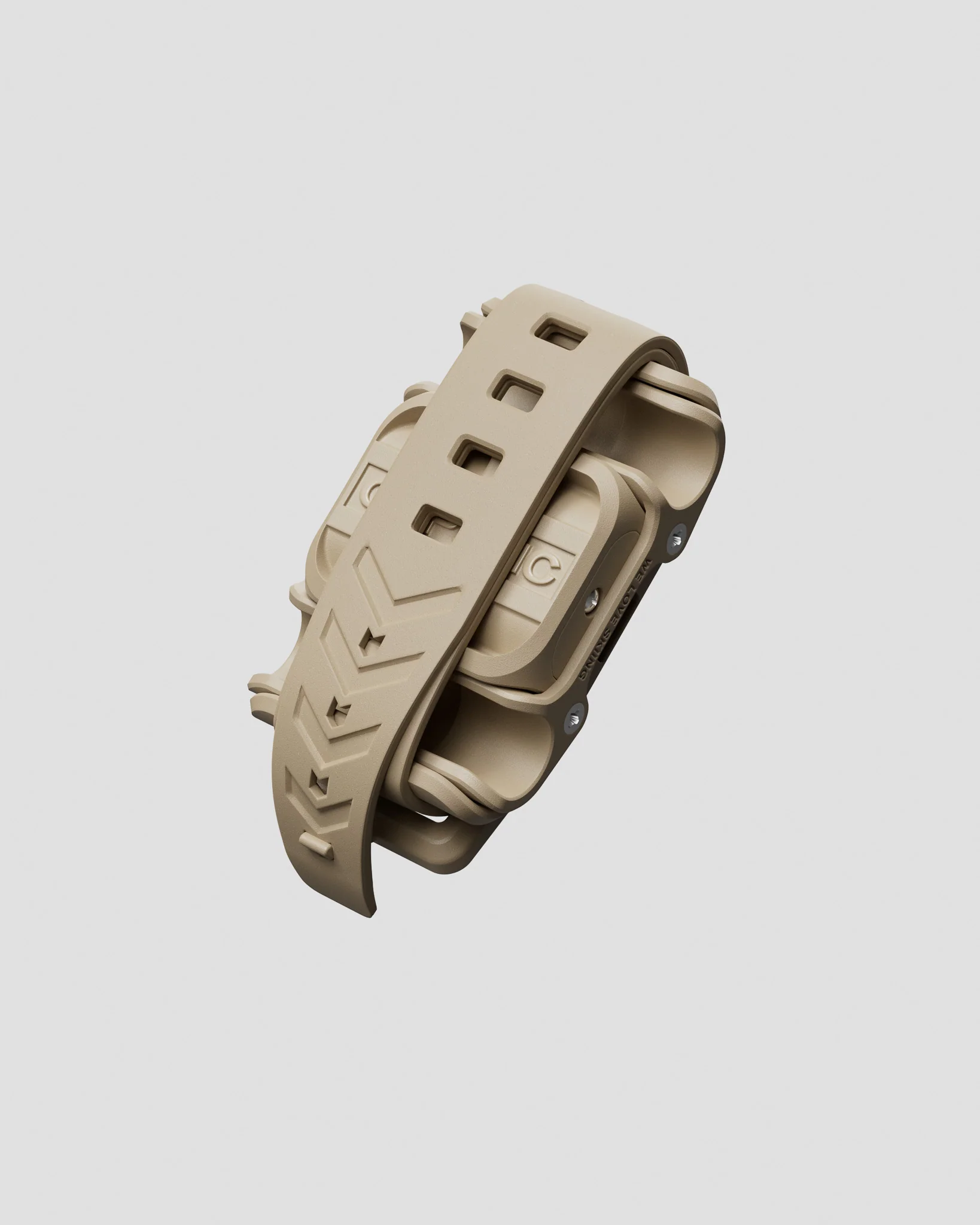
Missing a hand while carrying ski gear?
A friend of mine created Clipstic, the easy way to attach your poles to your skis! Using this link you get 10% off as well as support for Pick-a-ski!
Check it out!Not sure the Laser gs fis junior is your ski?
Answer a few quick questions and the ski selector matches you with the right skis from 800+ models — free, no sign-up.