Laser gs fis review
Review of the Stöckli Laser GS FIS: stability, edge hold, and power at race pace. Who it’s for, how it skis, specs explained, sizing, and key comparisons.
Overview
The Stöckli Laser GS FIS is a purpose‑built giant slalom race ski: full camber, race‑room sandwich construction, and a size‑optimized layup that scales with length. It rewards speed, pressure, and clean mechanics with world‑class stability, relentless edge hold, and powerful rebound. This is the real FIS GS experience, not a consumer carve.
On‑snow performance
- Stability: outstanding. Calm and composed through ripples, ruts, and injected ice.
- Edge hold: vice‑like. Full edge contact and stiff torsion lock into your chosen line.
- Turn shape: happiest in medium‑to‑long arcs at race pace; at low speeds it feels stiff and reluctant to self‑initiate.
- Energy: elastic, authoritative rebound if you bend it fully; little feedback if you don’t commit.
- Forgiveness: limited. It demands precise timing, forward pressure, and a centered stance.
Compared with a Head Worldcup Rebels e‑GS RD, the Stöckli feels a touch smoother and less tail‑punishing. Versus an Atomic Redster G9 FIS, it’s a bit more damp and settled at speed. A Fischer RC4 Worldcup GS FIS turns in slightly quicker but can feel a notch less calm in heavy chop.
Construction and tech
- Piste Race Core with added beech: consistent flex and strong energy return under load.
- Full sandwich sidewall: direct power transfer and maximum edge grip.
- Racing graphite base: fast glide and excellent wax absorption.
- Size‑Optimized Construction: flex, thickness and layering tailored to each length.
Specs and what they mean
- Rocker profile: full camber (no tip rocker). Maximizes edge contact for precision and grip; needs speed to come alive.
- Tip/waist/tail: around 118‑65‑97 mm for 176 cm; varies by length. Narrow waist and modest tail keep the FIS geometry stable and fast edge‑to‑edge.
- Radius: ~22 m (176), ~23–24 m (184), >30 m (188+). Longer skis prefer longer lines and more speed; shorter FIS sizes suit masters and shorter sets.
- Weight: about 3,730 g per pair (length dependent). Heft adds damping and high‑speed composure but reduces playfulness.
- Available lengths: 176, 184, 188, 193, 197 cm — choose by course set, speed, body size and level.
Sizing guidance (general)
- 176 cm: lighter racers, masters, shorter GS sets.
- 184 cm: versatile masters/league GS choice.
- 188/193/197 cm: higher FIS levels, heavier/stronger racers, long and fast sets; 197 cm is typical men’s FIS.
Who it’s for (and who it isn’t)
- For: racers and strong masters who prioritize stability, accuracy, and edge hold on hard snow.
- Not for: recreational groomer skiers or short‑turn fans. Consider the Stöckli Laser GS (non‑FIS) or Laser WRT for daily resort carving.
Comparisons
- Atomic Redster G9 FIS: more explosive tail; Stöckli is smoother and more damp at speed.
- Head e‑GS RD: brutally stiff and ultra‑direct; Stöckli offers a touch more finesse at the top of the turn.
- Fischer RC4 GS FIS: a bit snappier into the turn; Stöckli wins on damping and tracking.
Key takeaways
- High‑speed stability: class‑leading calm and confidence on ice.
- Edge hold: full‑camber bite that feels like rails.
- Demands commitment: needs speed, pressure, and clean technique.
- Consider non‑FIS Stöckli GS/WRT for everyday carving versatility.
Frequently asked questions
Q: Can I use the Stöckli Laser GS FIS outside the course?
A: Yes on firm groomers, where it shines. In bumps, slush, or at low speeds it feels stiff and unforgiving. If you want versatility, the non‑FIS Laser GS is a better everyday pick.
Q: What length should I choose?
A: 176–184 cm covers many masters and league racers. Go 188 cm and above for higher speeds, heavier/stronger skiers, and longer FIS sets. Match to your course, speed, and regulations.
Q: What binding/plate works best?
A: Pair it with a compatible race plate/binding system and verify FIS stand‑height rules for your category. Have a race shop handle mounting and a precise tune.
Q: How does it compare to the Stöckli Laser GS (non‑FIS)?
A: The non‑FIS GS is more accessible, with shorter radii and a friendlier flex. The Laser GS FIS is stiffer, faster, and built for true GS race pace.
The neighbourhood
its nearest skis on the map, by character — not by brandQuestions & opinions
User reviews
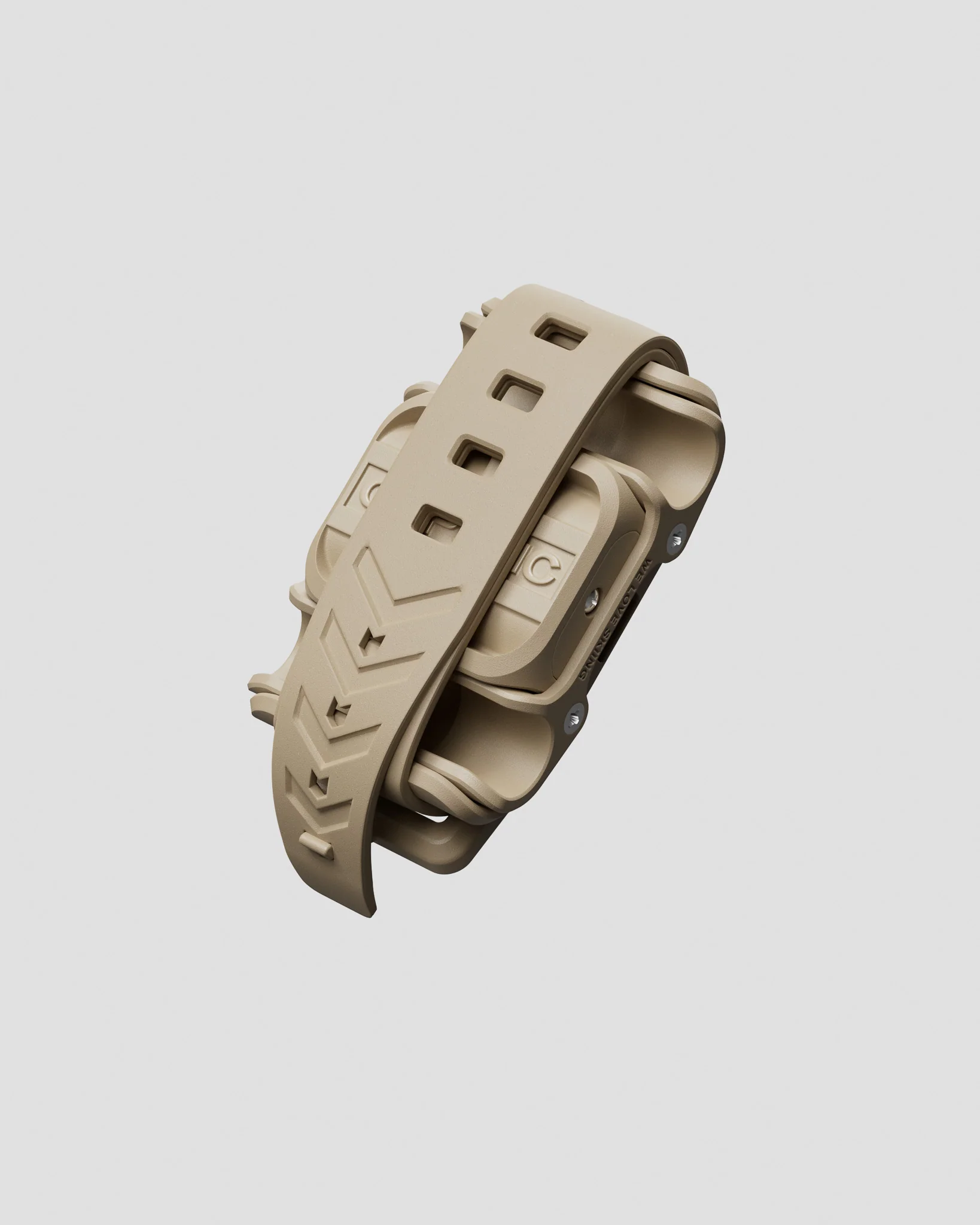
Missing a hand while carrying ski gear?
A friend of mine created Clipstic, the easy way to attach your poles to your skis! Using this link you get 10% off as well as support for Pick-a-ski!
Check it out!Not sure the Laser gs fis is your ski?
Answer a few quick questions and the ski selector matches you with the right skis from 800+ models — free, no sign-up.