The Edge 88 Classic is Stöckli’s lightweight touring/light‑freeride all‑rounder for skiers who want real edge hold on firm snow and predictable manners in variable off‑piste. It blends a proper sandwich build with a low weight, delivering that refined, damp, precise “Stöckli feel” more than most touring skis in this class.
Who is it for?
- Tourers who value carving precision and security on icy traverses and couloirs.
- Fitness laps and sidecountry missions near the resort with occasional piste skiing.
- Hut‑to‑hut trips with mixed conditions (wind buff, chalk, 10–20 cm fresh).
- Skiers prioritizing downhill composure over ultra‑low weight.
Construction & tech
- Sandwich Sidewall with Super Light wood core and thin glass laminates: cuts weight while keeping torsional rigidity and edge precision.
- TITEC EVO (Titanal/top‑sheet treatment): adds durability and damping without heavy full sheets of metal.
- Freeride Tip Technology: light, stiff shovel for stability in chop and low swing weight.
- Touring Tail: milled tail for solid skin attachment; protects the skin hook.
- Touring Super Light Edges: slimmer, lighter edges for uphill efficiency.
- Polywall: extra impact absorption and sidewall protection.
On‑snow performance
- Groomers & hardpack: For an 88 mm touring ski, edge hold is distinctly Stöckli. The stated radius (~19.6 m at 174 cm) favors medium‑to‑long arcs. It rewards committed angulation; it’s less of a short‑turn snapper than a calm, carving tool.
- Variable snow & wind buff: The shovel stays composed and doesn’t dive; damping is impressive for the weight. In heavy resort chop it can’t match a 2‑sheet‑metal all‑mountain ski, but for its class it’s notably predictable.
- Powder: At 88 mm, float is limited; tip rocker helps in 10–20 cm fresh. In deeper snow you’ll want speed and a centered stance or a wider ski.
- Steeps/firm: Low mass aids kick turns; torsional stiffness inspires confidence on icy sidehills.
Touring feel
- At roughly 1535 g per ski (174 cm, est.), it strikes a “light yet skiable” balance. The tail notch streamlines transitions, and the TITEC finish helps reduce snow build‑up on the topsheet.
- Net effect: not the lightest on the skin track, but noticeably quieter and more composed on the descent than many sub‑1500 g options.
Mounting & binding suggestions
- Ideal match: 250–350 g tech bindings (ATK Raider, Marker Alpinist, Salomon MTN) to maintain touring efficiency.
- Viable alternative: Kingpin/Shift for occasional resort laps, with the caveat of extra weight and that the lighter touring edges aren’t meant for daily rock‑bashing.
Sizing
- 165 cm: lighter/smaller skiers, tight trees, technical terrain.
- 174 cm: most skiers around 170–185 cm, all‑round balance.
- 183 cm: bigger or more aggressive skiers seeking extra stability and platform.
Pros and cons
- Pros: standout edge hold for a touring ski; calm, supportive shovel; skin‑friendly tail; versatile in firm and mixed snow; topsheet sheds snow better than average.
- Cons: limited float in deep snow; prefers medium/long turns; less pop in short turns; lighter edges may wear faster with heavy resort use; premium price.
Comparisons
- Blizzard Zero G 95: lighter and stiffer, faster but harsher and more demanding; Edge 88 is damper and more predictable, with better groomer feel.
- Kästle TX 87/90: lighter and looser tail, less bite on ice. Stöckli is more precise at a small weight penalty.
- Atomic Backland 88: much lighter and softer; excels on huge vert days, less composed at speed than the Edge 88.
- Black Crows Camox Freebird (95) / Ova Freebird (85): Camox is more playful and floats better; Edge 88 carves cleaner. Ova is more uphill‑focused; Edge feels more secure downhill.
- Salomon MTN 86 Carbon: similar waist/weight; MTN is pivot‑friendlier, Edge 88 wins on carving poise and damping.
Specs explained
- Dimensions 123‑88‑111 mm: narrow waist for quick edge‑to‑edge and grip; supportive tip for initiation; tail that finishes turns without being hooky.
- Weight 3070 g/pair (174 cm) ≈1535 g/ski: “light but skiable”—efficient on the climb with meaningful downhill damping.
- Turn radius 19.6 m (174 cm): favors stability in medium/long turns; less twitchy, needs more input for quick slalom‑style pivots.
- Rocker: tip & tail (tip ~50 mm height/~320 mm length; longer, flatter tail rocker): easier turn entry and release, some added float, and solid edge hold once tipped.
- Construction: Sandwich/Sidewall, Super Light core, thin glass, TITEC EVO, Polywall, Touring Tail & Light Edges—precision and durability with real weight savings.
- Lengths: 165/174/183 cm: go longer for stability/platform, shorter for maneuverability and tight terrain.
Frequently asked questions
Q: Who is the Stöckli Edge 88 Classic best for?
A: Ski tourers who want reliable edge hold and a composed feel in firm and variable snow. The Stöckli Edge 88 Classic stands out for its carving precision among lightweight touring skis.
Q: What bindings pair best?
A: Lightweight tech bindings (ATK Raider, Marker Alpinist, Salomon MTN) keep the setup efficient. A Shift/Kingpin works if you plan occasional resort days, but adds weight.
Q: How does it handle icy mornings on‑piste?
A: Very well for an 88 mm touring ski. Its torsional rigidity and sidewalls provide trustworthy grip—think clean, medium‑radius carves rather than quick short turns.
Q: What length should I choose?
A: Most skiers should pick their usual touring length. 174 cm is the safe middle; choose 183 cm for more stability or 165 cm for tighter terrain and lower weight.
The neighbourhood
its nearest skis on the map, by character — not by brandQuestions & opinions
User reviews
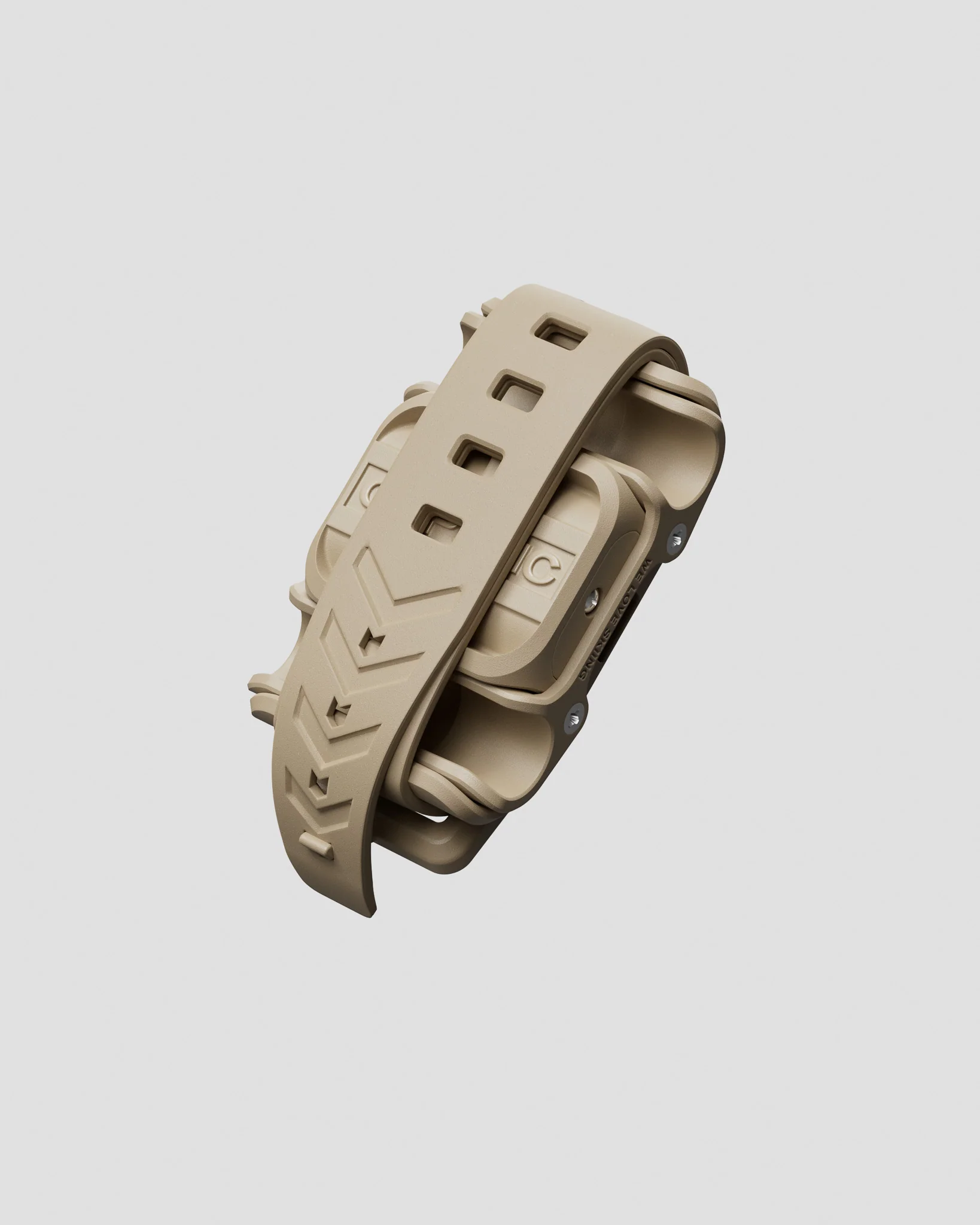
Missing a hand while carrying ski gear?
A friend of mine created Clipstic, the easy way to attach your poles to your skis! Using this link you get 10% off as well as support for Pick-a-ski!
Check it out!Not sure the Edge 88 classic is your ski?
Answer a few quick questions and the ski selector matches you with the right skis from 800+ models — free, no sign-up.