The Scott Explorair 95 hits a sweet spot for modern touring: light enough for big vert, yet confidence-inspiring when conditions get firm, variable, or fast. With a paulownia/poplar core, carbon reinforcement, and a Titanal plate underfoot, it offers real edge hold and damping without straying into heavy “freeride tour” territory. In short, it’s a balanced, do‑most‑days touring ski that doesn’t punish you on the climb or the descent.
Who is it for?
- Ski tourers wanting one 95 mm ski that balances uphill efficiency with downhill security.
- Riders who regularly encounter windboard, icy mornings, and mixed snow and value torsional stiffness and edge grip.
- Anyone seeking a versatile, dependable “quiver-of-one” touring ski for most alpine days.
On-snow performance
- Hardpack and windboard: The Titanal reinforcement and carbon layup translate to solid torsional rigidity and grip. Compared with ultralight options, the Explorair 95 feels notably calmer and more planted on firm snow.
- Powder and soft snow: The Touring Tip & Tail Rocker and progressive tip height help the ski rise and pivot easily. At 95 mm, it won’t replace a deep-day board, but it’s smooth and predictable in typical 10–25 cm refreshes.
- Chop, crust, and mixed: The semi‑cap construction and dual wood core yield a friendly, moderately damp flex. Tips stay composed enough to track through breakable crust without excessive flap.
- Steeps and jump turns: Stated radii (17–20 m by size) are easy to feather into shorter, controlled turns. The ski grips well at slower speeds on consequential, icy sections.
Touring efficiency
At roughly 1310–1460 g per ski (size dependent), the Explorair 95 sits in the “light but not flyweight” category. It’s efficient for long approaches and big days, while carrying enough mass to smooth out descent chatter. The integrated tip notch and tail clip make skin handling quick and reliable in cold or windy transitions.
Construction and durability
- Dual wood core (paulownia + poplar): keeps weight down while preserving a natural, predictable flex.
- Carbon stringers/tape: add snap and torsional strength without big weight penalties.
- Titanal underfoot: boosts edge hold, power transfer, and confidence on ice.
- Light semi‑CAP: trims grams yet retains sidewall support where it matters.
- Sintered base: durable and fast when maintained with regular wax.
Comparisons
- Blizzard Zero G 95: lighter and more exacting; exceptional on ice but less forgiving. The Explorair 95 is calmer and easier to ski for a broader audience.
- Salomon MTN 96 Carbon: similar width/weight; MTN feels a touch looser and more playful, while the Scott is a bit more damp and composed on firm snow.
- Black Crows Camox Freebird: more playful/loose in soft snow, but with less bite on ice. The Scott wins for stability in rough conditions.
- K2 Wayback 96: often lighter and very efficient uphill, but less damp. The Scott feels more secure at speed and in variable snow.
Binding and length recommendations
- Bindings: pair with a lightweight or midweight pin binding for touring. If you prioritize downhill power (couloirs, resort-access laps), consider a slightly burlier hybrid pin binding.
- Length: go near your body height for all-around use. Size down for tight terrain and maximum agility; size up for more stability at speed.
Pros and cons
- Pros: excellent balance of weight and downhill poise; strong edge hold for a touring ski; versatile rocker; skin-friendly details.
- Cons: not as featherweight or as playful as the lightest options; 95 mm float is limited on truly deep days versus wider skis.
Specs and what they mean
- Rocker profile: Touring Tip + Tail Rocker – raised tip and subtle tail rocker increase float, ease turn initiation, and release.
- Dimensions (tip/waist/tail): 127–129 / 95–96 / 112–114 mm (by length) – 95 mm is an all-around touring waist; the shaping balances stability and maneuverability.
- Turn radius: 17–20 m – versatile blend; easy to vary turn shapes while staying calm in longer arcs.
- Weight: 1310–1460 g per ski – efficient on the skintrack with enough mass to reduce chatter on descents.
- Lengths: 163 / 170 / 177 / 184 cm – choose based on desired stability versus agility.
- Construction: paulownia+poplar core, carbon, Titanal underfoot, semi‑cap, sintered base – a recipe for low weight with real torsional integrity and durability.
Key takeaways
- Balanced tour performance: climbs efficiently, descends with poise.
- Grip and composure: Titanal + carbon deliver confidence on firm and variable snow.
- True quiver-of-one touring width: 95 mm works across most conditions many tourers face.
Frequently asked questions
Q: Who is the Scott Explorair 95 for?
A: Ski tourers who want a versatile 95 mm platform that balances weight and downhill confidence. The Scott Explorair 95 is especially appealing if you regularly ski mixed or firm conditions and value edge hold.
Q: How does the weight compare to similar skis?
A: At 1310–1460 g per ski, it’s slightly heavier than the lightest “race-bred” tourers but still firmly in the lightweight class. The payoff is better damping and stability on the descent.
Q: What bindings pair best?
A: A lightweight to midweight pin binding suits the ski’s touring focus. For more aggressive descents, a somewhat burlier hybrid pin binding can add power without overwhelming the ski.
Q: What length should I choose?
A: Near your body height is a safe bet. Go shorter for tight trees and kick turns, longer if you prioritize stability and speed.
The neighbourhood
its nearest skis on the map, by character — not by brandQuestions & opinions
User reviews
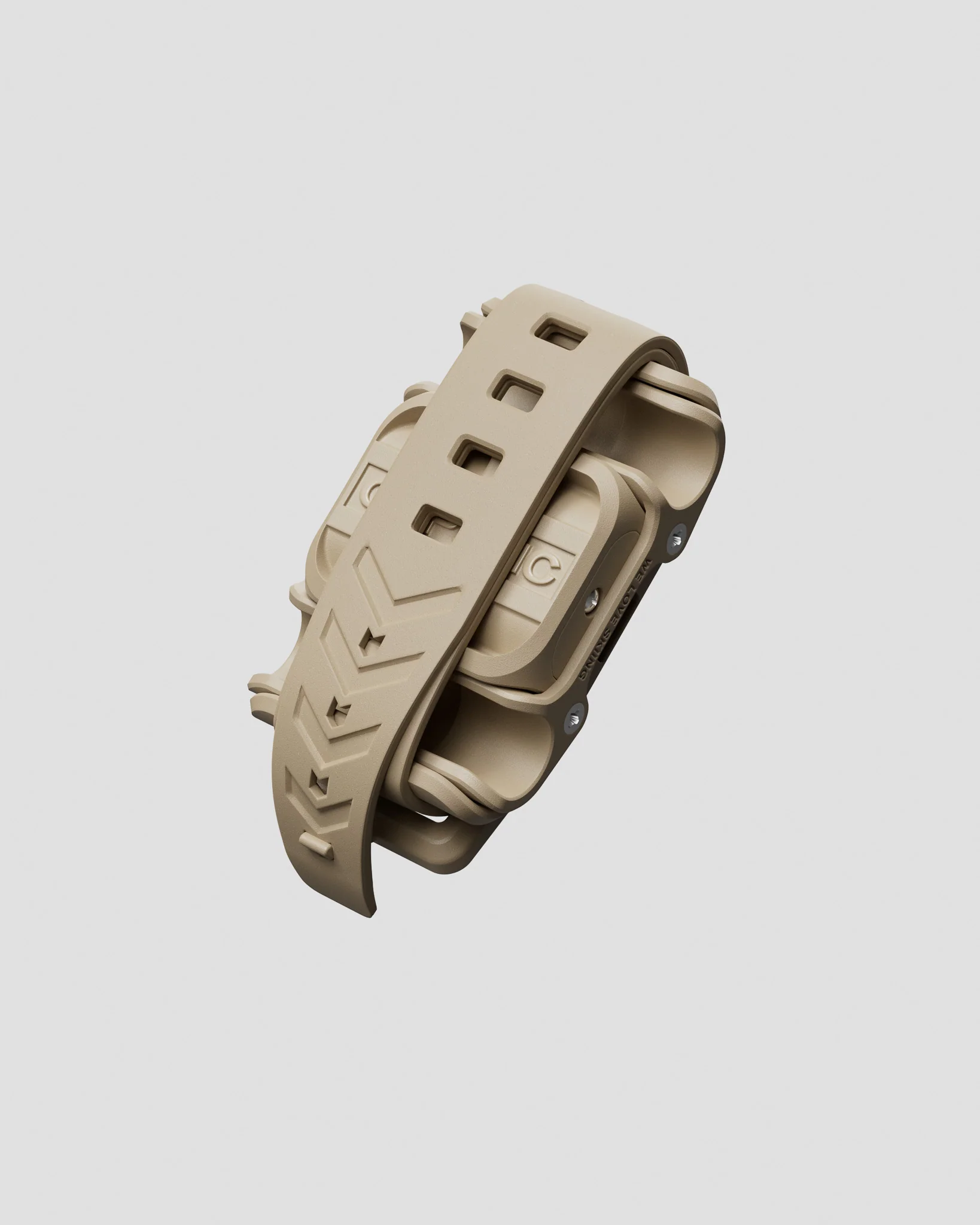
Missing a hand while carrying ski gear?
A friend of mine created Clipstic, the easy way to attach your poles to your skis! Using this link you get 10% off as well as support for Pick-a-ski!
Check it out!Not sure the Explorair 95 is your ski?
Answer a few quick questions and the ski selector matches you with the right skis from 800+ models — free, no sign-up.