Overview
The Scott Explorair 92 LT is a feathery, uphill‑focused touring ski that still delivers a fun, confidence‑building ride on the descent. A 100% paulownia core keeps weight low, carbon and fiberglass add torsional support, and a Titanal plate underfoot gives welcome edge bite on firm snow. At 90–92 mm underfoot with a playful tip/tail touring rocker, it’s built for big vert days, spring objectives, and long traverses, with enough platform for variable snow.
Who is it for?
- Tourers who prioritize ascent efficiency but want a predictable, forgiving ride down.
- Ski mountaineers and all‑around tourers who value agility in tight spaces and mixed conditions.
- Intermediate to advanced skiers. Less ideal for hard‑charging, high‑speed descents in heavy chop or resort laps.
On‑snow performance
- Firm/icy: The underfoot Titanal and hybrid cap‑sidewall construction yield solid edge grip for the weight. The relatively short radius helps snap quick turns. Expect limited damping at high speed on truly hard, chattery surfaces—ski with finesse.
- Variable/crud: Low mass means more feedback. Stay centered; the playful rocker lets you release and pivot easily. It’s friendlier than very stiff ultralights but won’t bulldoze through heavy chop.
- Soft snow/powder: 92 mm and touring rocker float capably to boot‑deep. The tail isn’t overly flat, so releasing is easy. Not a deep‑pow specialist, but confidence‑inspiring in most soft conditions.
- Steeps/tech: Lightweight, predictable and trustworthy in jump turns and precise edge sets—great for spring couloirs and mountaineering lines.
Construction & tech
- 100% Paulownia core: extremely light for efficient climbing; less mass means less inherent damping.
- Carbon + fiberglass stringers: add torsional rigidity without a weight penalty; provide precise edge control.
- Titanal underfoot: improves stability, edge hold, and mounts; boosts confidence on firm snow.
- Sandwich Tour Lite (cap + sidewall): blends low weight (cap) with grip/durability (sidewall).
- Sintered base: holds wax well and glides faster than extruded bases.
- Prepreg layup: consistent fiber/resin control for reliable flex and weight.
Comparisons
- Blizzard Zero G 95: stiffer, more precise on boilerplate but harsher; Scott is lighter and more forgiving.
- Salomon MTN 96 Carbon: heavier and calmer at speed; Scott climbs more efficiently and turns tighter.
- Black Crows Orb Freebird (91): similar waist; Scott feels lighter and looser, Orb is a bit more planted on firm.
- Fischer Transalp 92 Carbon / K2 Wayback 96: Scott sits on the more playful side; those skew a touch more composed in chop.
Sizing and setup
- Length: choose near body height for balance. Size down for technical terrain and tight kick turns; size up for added stability if you ski fast.
- Bindings: pair with a lightweight pin binding (200–300 g) to maximize uphill efficiency; consider a slightly heavier hybrid tech binding for more downhill authority.
- Boots: a supportive, stiffer touring boot will add composure without killing the skintrack advantage.
Specs explained
- Rocker profile: Touring Tip & Tail Rocker — easier turn initiation and release; helps in soft and mixed snow.
- Tip/waist/tail widths: 118–128 / 90–92 / 108–116 mm (by length) — drive float, edge hold, and agility; 92 mm is a balanced touring width.
- Weight per ski: about 990–1230 g (154–181 cm) — lighter climbs faster and feels nimble, but offers less damping in rough snow.
- Radius: 14–17 m (shorter lengths = shorter radius) — shorter turns more easily; longer radius tracks more stably at speed.
- Lengths: 154 / 163 / 172 / 181 cm — match terrain, skier weight, and preferences.
Key takeaways
- Outstanding uphill efficiency with a composed, not‑twitchy feel.
- Better‑than‑expected edge hold for the weight, thanks to Titanal and sidewall.
- Playful and maneuverable in tight terrain and trees.
- Limited damping in heavy chop and at very high speeds.
Frequently asked questions
Q: Who is the Scott Explorair 92 LT for?
A: Tourers who value light weight and efficiency but still want confidence on the descent. The key phrase is “lightweight touring ski” that remains predictable and forgiving in variable snow.
Q: How does it handle icy mornings?
A: Respectably for its mass. The Titanal underfoot and cap‑sidewall bite well; keep speeds reasonable and pressure the ski smoothly to maintain edge hold.
Q: What bindings pair best?
A: A lightweight pin binding keeps the package lively for big vert. If you want extra downhill authority, a slightly heavier hybrid tech binding and supportive boot work well.
Q: What size should I pick?
A: Near body height for all‑round use. Size down for tight kick turns and technical terrain; size up if you’re heavier or prefer more stability at speed.
The neighbourhood
its nearest skis on the map, by character — not by brandQuestions & opinions
User reviews
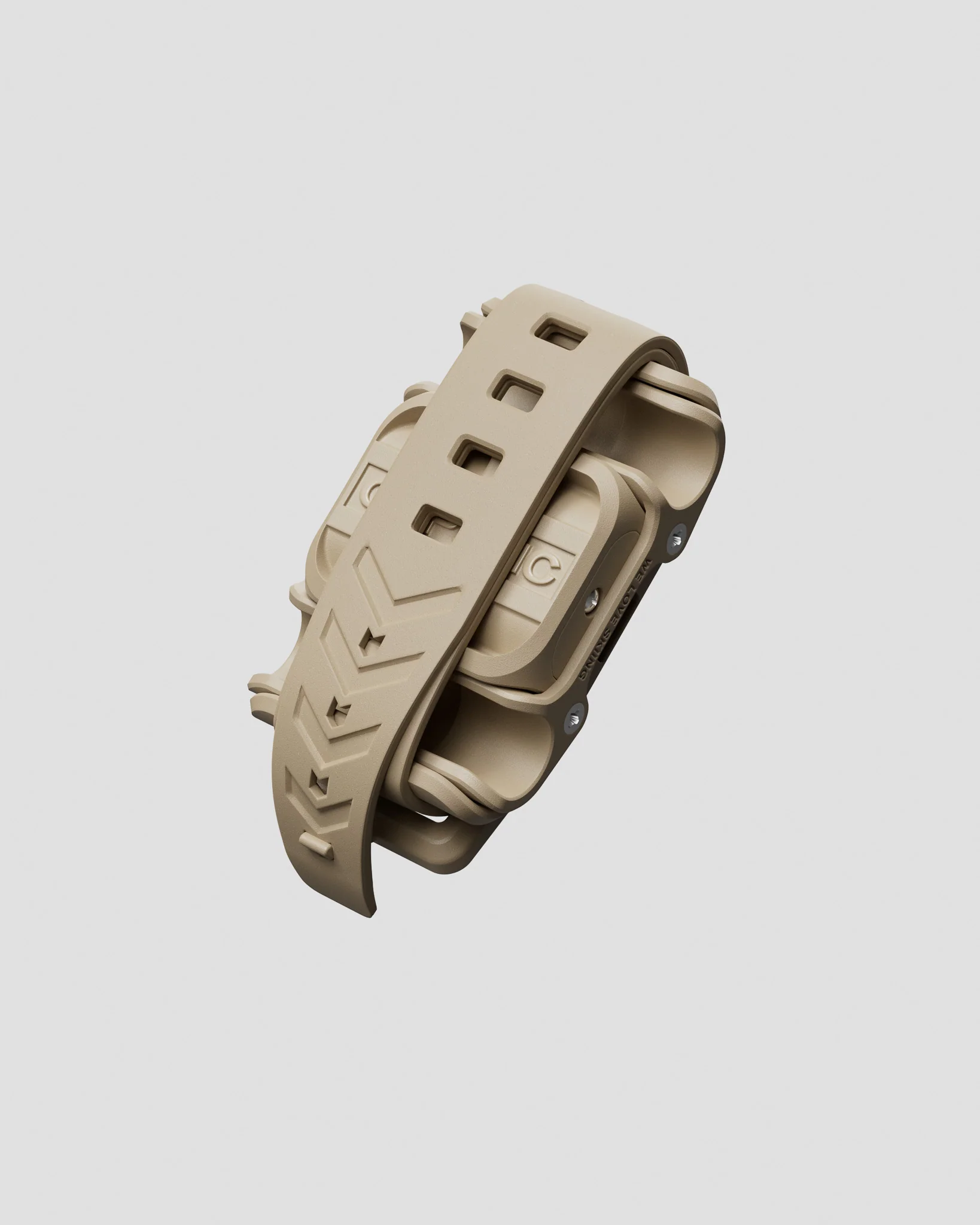
Missing a hand while carrying ski gear?
A friend of mine created Clipstic, the easy way to attach your poles to your skis! Using this link you get 10% off as well as support for Pick-a-ski!
Check it out!Not sure the Explorair 92 lt is your ski?
Answer a few quick questions and the ski selector matches you with the right skis from 800+ models — free, no sign-up.