Salomon’s QST 100 is the playful, day‑to‑day all‑mountain/freeride choice in the QST family. At 100 mm underfoot with long tail rocker and a progressive mount, it pivots easily, carves well enough for daily groomers, and shines in bumps, trees, and soft snow.
Key takeaways
- Playful, quick to pivot: long tail rocker and partial twin make it easy to slarve and pop.
- Damped for its weight: cork tip insert plus basalt/fiberglass keep chatter in check.
- True all‑mountain width: 100 mm balances edge hold, stability, and soft‑snow competence.
- Not a bulldozer: lighter feel means less top‑end stability than metal‑laminate chargers.
- Broad skill range: strong intermediates through advanced skiers will get the most out of it.
Build & design
- Poplar wood core: lively yet composed, with a touch of natural damping and rebound out of turns.
- Full‑length basalt + fiberglass: torsional strength and edge grip without the heft of metal.
- Cork Damplifier in the tip: reduces vibration and tip flap on hardpack and in chop.
- Full sandwich sidewalls: precise power transfer and better bite on firm snow.
- Rocker/camber/rocker, long tail rocker: easier pivoting and switch‑friendly, with camber for edge hold.
On‑snow performance
- Groomers & carving: For a 100‑mm ski, edge hold is confidence‑inspiring. Medium‑radius turns feel natural (17.5 m @180). On true ice, it’s competent but can’t match heavy, metal‑reinforced all‑mountain carvers (e.g., Nordica Enforcer 100, Völkl M6 Mantra).
- Bumps & trees: A highlight. Low swing weight and long tail rocker make zipper‑line bumps and tight tree lines intuitive. Ski it centered to slightly forward for best results.
- Soft snow & powder: Floats well for daily soft snow up to about boot‑deep. For storm days, the QST 106 will provide more effortless float.
- Crud & afternoon chop: Cork/basalt take the edge off, but at high speed in refrozen or heavy chop it’s not as planted as burlier skis.
- Switch & play: Partial twin and a poppy tail make butters, small airs, and the occasional switch run fun.
Mount point and stance
The progressive mount and long tail reward a more centered stance. Freestyle‑leaning skiers can nudge +1 cm from the recommended line; directional skiers seeking max stability and float should stay on or slightly behind the line.
Comparisons
- Atomic Bent 100: More surfy and playful; QST 100 offers stronger edge hold and all‑mountain bite.
- Blizzard Rustler 10: Rustler feels stouter in chop; QST 100 is quicker edge‑to‑edge and easier in bumps.
- Nordica Enforcer 100: Far more stable at speed thanks to metal; QST 100 is lighter, more forgiving, and nimbler.
- In‑family: QST 98 is a touch carvier on groomers; QST 106 offers more float. The QST 100 is the playful daily‑driver in the middle.
Sizing advice
- Choose shorter if you prioritize bumps/trees or are a lighter, progressing intermediate (e.g., 172 cm). For stability and freeride flow, go true‑to‑size or up (180/188 for advanced riders).
- Rule of thumb: around head height; size up if you ski fast or spend more time off‑piste.
Specs explained
- Rocker profile: rocker/camber/rocker with long tail—easy pivoting and soft‑snow float; camber adds grip and energy.
- Tip/waist/tail: 100‑mm waist is do‑it‑all; ample tip/tail aid turn initiation and float. Examples: 180 cm = 134/100/122 mm; 188 cm = 135/100/123 mm.
- Turn radius: shorter = quicker, longer = more composed at speed. Range: 13.5 m (148) to 18.5 m (188); 17.5 m @180.
- Weight: lighter = easier to maneuver, slightly less bulldozer‑like in crud. 180 cm: 3760 g/pair (1880 g per ski).
- Available lengths: 148, 156, 164, 172, 180, 188 cm.
Dimensions by length
- 148: 130/100/118 mm – 13.5 m – 2940 g/pair.
- 156: 131/100/119 mm – 14.5 m – 3160 g/pair.
- 164: 132/100/120 mm – 15.5 m – 3370 g/pair.
- 172: 133/100/121 mm – 16.5 m – 3560 g/pair.
- 180: 134/100/122 mm – 17.5 m – 3760 g/pair.
- 188: 135/100/123 mm – 18.5 m – 4000 g/pair.
Frequently asked questions
Q: Who is the Salomon QST 100 for?
A: Strong intermediates to advanced skiers who want a playful all‑mountain/freeride daily driver. It’s easy to pivot, carves well enough for groomers, and is fun in bumps, trees, and soft snow.
Q: How does it handle ice and hardpack?
A: Torsional support from basalt/fiberglass and full sidewalls gives respectable grip for a 100‑mm ski. On true ice, heavier metal‑laminate skis still have the edge, but the QST 100 remains composed for its weight.
Q: What length should I get?
A: Shorter for maneuverability and bumps/trees; true‑to‑size or longer for stability and off‑piste. Many advanced skiers land on 180 or 188 cm depending on weight and speed.
Q: Where should I mount the bindings?
A: Start on the recommended line. Go +1 cm for a more freestyle, centered feel; stick to 0 to −1 cm for directional stability and float.
Pros and cons
- Pros: playful and forgiving; quick in tight spaces; impressively quiet for the weight; versatile width.
- Pros: good balance of grip and surfy looseness.
- Cons: not the most stable at very high speeds in heavy chop.
- Cons: less locked‑in carving than narrower, metal‑laden all‑mountain carvers.
Verdict
The Salomon QST 100 is a standout one‑ski quiver for riders who value playfulness and versatility. It’s competent on groomers, lively in bumps and trees, and capable in soft snow. If you prefer full‑throttle charging, pick a heavier metal ski; if you want a playful all‑mountain ski with real range, this is a winner.
The neighbourhood
its nearest skis on the map, by character — not by brandQuestions & opinions
User reviews
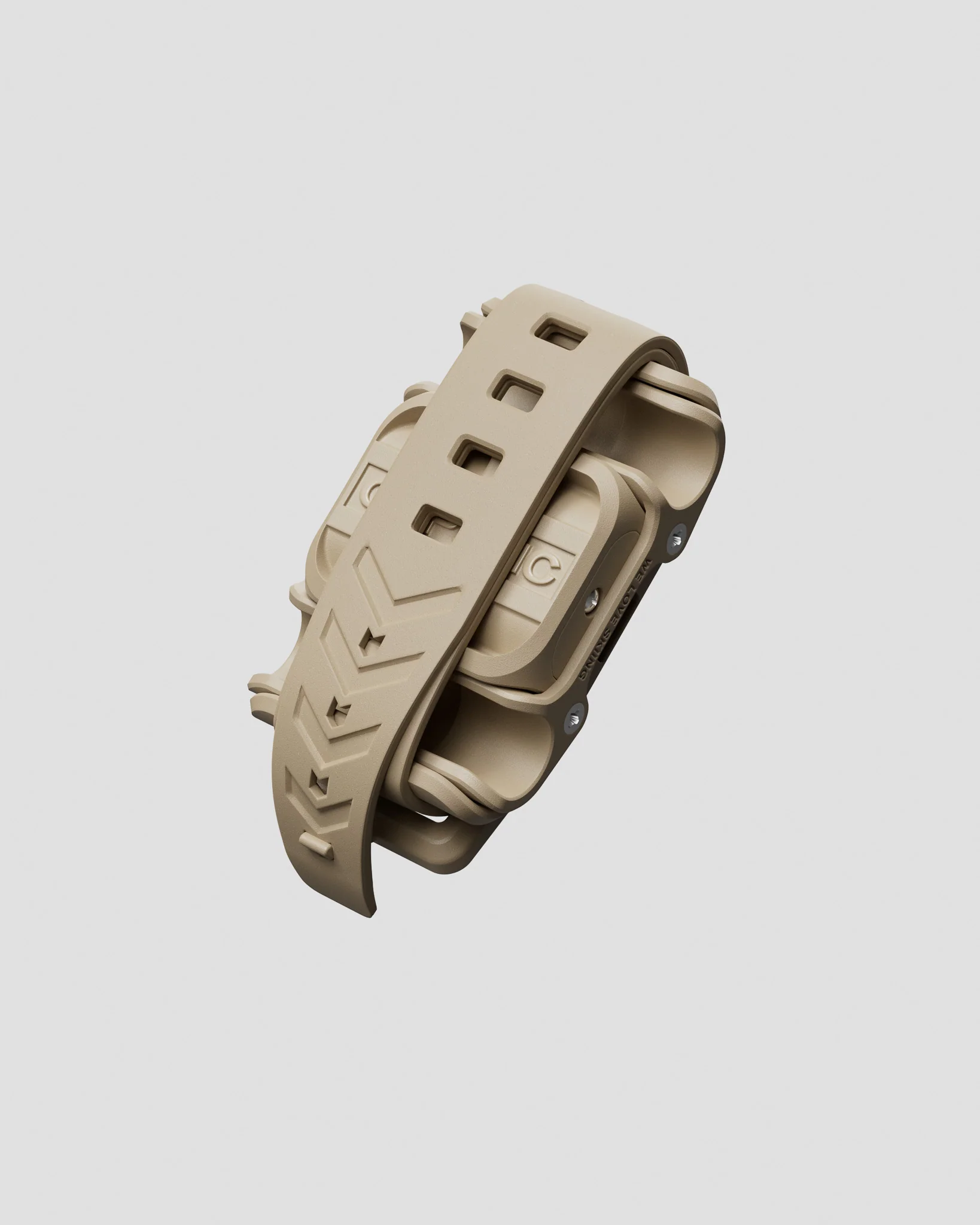
Missing a hand while carrying ski gear?
A friend of mine created Clipstic, the easy way to attach your poles to your skis! Using this link you get 10% off as well as support for Pick-a-ski!
Check it out!Not sure the Qst 100 is your ski?
Answer a few quick questions and the ski selector matches you with the right skis from 800+ models — free, no sign-up.