The Salomon MTN 80 Carbon is a purpose-built, ultralight touring ski for big vert days, spring missions, and firm-snow precision. At roughly 980 g per ski (164 cm) with an 80 mm waist, it climbs effortlessly and still delivers confident edge hold and predictable turn shape on the descent. Think “fast & light,” with enough backbone to make the way down enjoyable—so long as you keep expectations realistic in deep or broken snow.
On‑snow performance
- Uphill efficiency: The narrow 80 mm platform and low mass translate to less fatigue and faster skin tracks. The Koroyd tip trims swing weight, making kick turns and tight terrain easier.
- Hardpack and groomers: For its weight, the MTN 80 Carbon holds a strong edge and prefers medium-radius arcs (17 m @ 164). The carbon layup adds torsional rigidity for precise carving, but you’ll feel more feedback than on heavier, damper skis.
- Mixed snow and crud: It stays quick and composed if you ski centered and smooth. Very light skis can get knocked around in heavy chop; modulate speed and pressure to keep it tracking.
- Powder: Tip rocker helps initiation and a touch of lift, but 80 mm won’t float like an 85–95 mm ski. For deep days, the MTN 86 Carbon or a ~90 mm option is a better match.
Construction and design
- Karuba wood core + carbon: Keeps weight down while maintaining torsional stiffness and reliable edge hold on firm snow.
- Koroyd tip: Ultralight honeycomb insert reduces swing weight and improves ease of turn entry.
- All‑Terrain tip rocker + traditional camber: Easier turn initiation with dependable grip and energy underfoot; efficient for skinning.
- Monocoque fiber layer, P‑Tex 2100 base: Durable enough for touring mileage while emphasizing weight savings.
Setup and tuning
- Bindings: Pair with a lightweight tech binding (200–300 g) for maximum uphill efficiency. If you want more downhill drive and adjustability, a 300–400 g touring binding is a nice match. Heavy frame bindings defeat the ski’s purpose.
- Length: Choose slightly shorter for technical kick-turn terrain; closer to your height for more downhill stability. Factor in skier weight, skill, and typical snow.
- Skins: Tail clip compatibility is built in; Salomon MTN skins or similar tail‑clip skins fit well.
Comparisons
- Salomon MTN 86 Carbon: 6 mm wider with better soft-snow range and a touch more damping; slightly heavier, better for descent-focused tours.
- Blizzard Zero G 85: Similar mission with excellent edge hold; a bit more demanding. MTN 80 feels livelier and friendlier while climbing lighter.
- Atomic Backland 85: More float and damping; MTN 80 is lighter and more direct underfoot.
- Dynafit Blacklight 80: Even lighter and racier; MTN 80 is more forgiving and versatile on the down.
Who should buy it
- Ideal for: Fitness touring, long traverses, spring corn, and firm-snow objectives where efficiency and reliable edge hold matter most.
- Less ideal for: Heavier skiers or those prioritizing damp, high‑speed performance in chopped snow; consider going wider/heavier.
Key takeaways
- Ultralight climber: ~980 g in 164 cm with an 80 mm waist = exceptional uphill efficiency.
- Confident on edge: Carbon + camber deliver precise grip on hardpack for the weight class.
- Tradeoffs: Limited damping and float versus wider, heavier skis; manage speed in rough snow.
- Thoughtful tip: Koroyd tip cuts swing weight and eases turn initiation.
Frequently asked questions
Q: Who is the Salomon MTN 80 Carbon for?
A: Ski tourers who value light weight and uphill speed, and who often ski firm morning tracks, spring corn, or long missions. It suits advanced to expert riders who like precise, energetic skis.
Q: How does it handle ice and boilerplate?
A: Torsional stiffness and camber provide solid edge hold for its weight. Expect more feedback and less damping than from heavier, wider all‑mountain or freeride skis.
Q: What length should I choose?
A: Go a touch shorter for lots of kick turns and tight terrain; go closer to your height for more stability on the descent. Consider your weight, skill, and typical snow pack.
Q: Which bindings pair best?
A: Lightweight tech bindings (200–300 g) match the ski’s mission. For more downhill confidence and adjustable release, choose a 300–400 g touring tech binding.
Specs and what they mean
- Rocker profile: All‑Terrain tip rocker with camber underfoot. Quicker initiation with dependable grip and rebound on firm snow; efficient on the skin track.
- Tip/waist/tail: 111/80/97 (158), 113/80/99 (164), 115/80/101 mm (170). Narrow waist = fast edge‑to‑edge and efficiency; broader tip aids initiation and modest float.
- Weight: ~910 g (158), 980 g (164), ~1000 g (170) per ski. Lighter climbs easier and tires less, but damps less in rough snow.
- Radius: 16 m (158), 17 m (164), 18 m (170). Medium turn shapes for predictable control.
- Lengths: 158, 164, 170 cm. Shorter favors maneuverability/skins; longer favors stability/descents.
The neighbourhood
its nearest skis on the map, by character — not by brandQuestions & opinions
User reviews
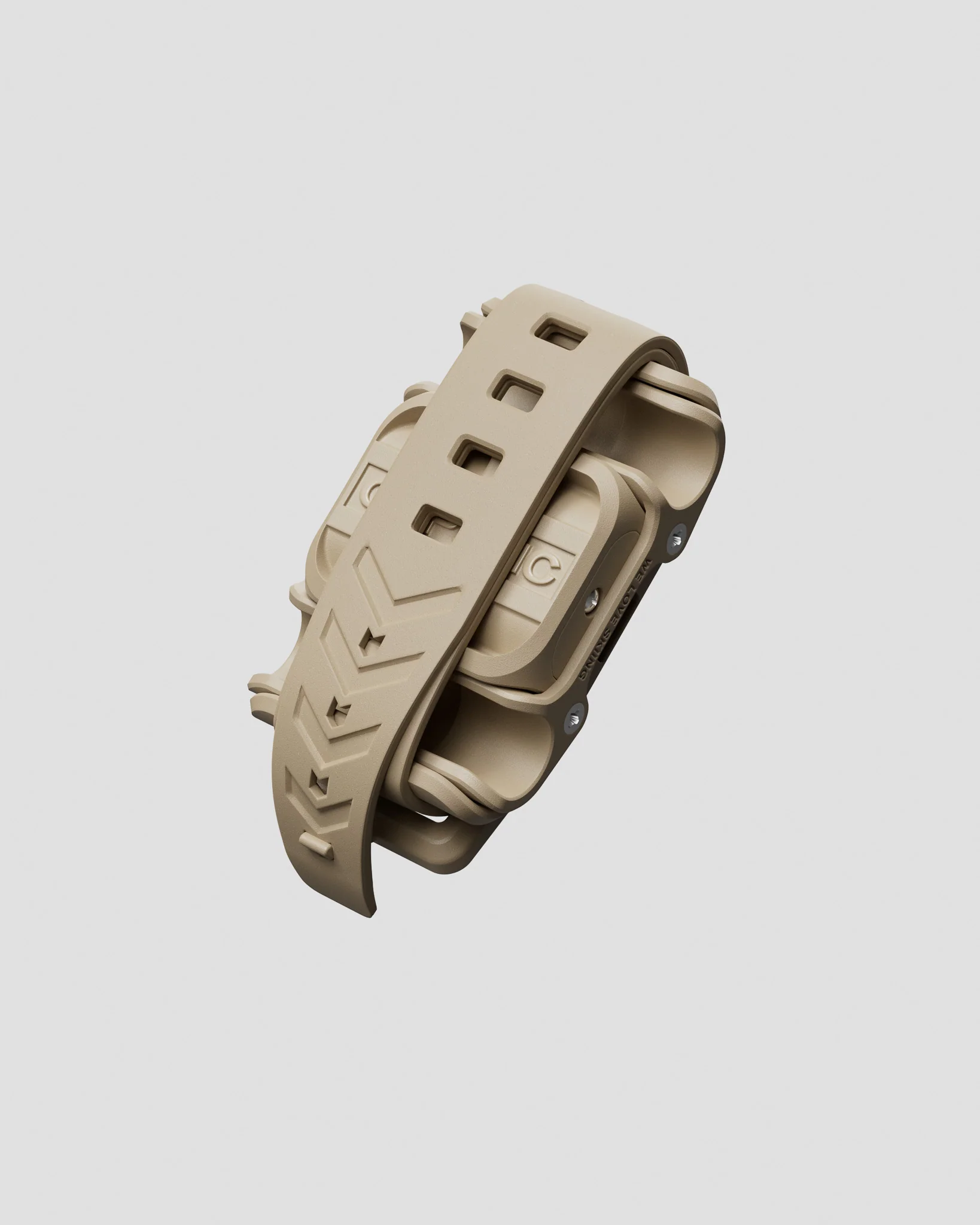
Missing a hand while carrying ski gear?
A friend of mine created Clipstic, the easy way to attach your poles to your skis! Using this link you get 10% off as well as support for Pick-a-ski!
Check it out!Not sure the Mtn 80 carbon is your ski?
Answer a few quick questions and the ski selector matches you with the right skis from 800+ models — free, no sign-up.