Hero master lt review
Deep dive on the Rossignol Hero Master LT (R22): full‑camber GS charger with LCT and Titanal. Who it’s for, on‑snow feel, sizing advice, pros/cons, and key specs.
The Rossignol Hero Master LT is a GS‑leaning, on‑piste weapon built for speed, edge hold, and composure. With full camber, an ash wood core, full Titanal, the R22 race plate, and Rossignol’s LCT, it delivers race‑room stability without the punishing feel of a true FIS GS.
Who is it for?
- Advanced to expert skiers, masters racers, and hard‑snow enthusiasts.
- Riders who love medium‑to‑long radius carving at real speed and value iron‑clad grip.
- Not ideal for intermediates or those seeking a playful, laid‑back ski.
On‑snow performance
- Edge hold and precision: Exceptional. Full camber and metal create tenacious bite on ice with a quiet, damp ride. You can lay it over confidently at very high edge angles.
- Turn shape: Prefers medium to long arcs. The tip engages decisively and the tail drives you powerfully through the finish. Short turns are possible but demand energy and speed.
- Stability and damping: The R22 plate, LCT, and heft yield a “rails” feeling on groomers, staying calm through chop and ruts.
- Energy and rebound: Strong, controlled power with authoritative acceleration out of the turn if you stay forward and pressure the ski.
Length and setup advice
- 169 cm (15 m): Tightest radius; lighter skiers or tighter pistes.
- 173 cm (17 m): Accessible daily GS driver for narrower European groomers.
- 179 cm (19 m): The sweet spot for many experts—big, clean arcs with superb stability.
- 183 cm (21 m): Maximum calm and line‑holding for heavier/faster skiers and open slopes. Tuning note: A race‑leaning tune (e.g., ~0.7–1° base/3° side) boosts bite; a friendlier tune can increase approachability.
Comparisons
- Head Worldcup Rebels e‑Speed Pro: Even stouter tail and similar top‑end stability; Rossignol feels a touch more plush/damped.
- Atomic Redster G9 RS/Masters: More lively pop; the Rossi is calmer and more locked‑in on boilerplate.
- Stöckli Laser GS: Luxuriously smooth and slightly more versatile; not as single‑minded in GS mode as the Hero Master LT.
- Nordica Dobermann GSR: Comparable power and tracking; the Rossignol initiates slightly more predictably.
Pros and cons
Pros
- Phenomenal edge hold and high‑speed composure
- Powerful acceleration and precise line control (LCT + R22)
- Class‑leading damping; very quiet on rough hardpack
- “Race feel” without FIS‑level punishment
Cons
- Needs speed, pressure, and good technique to shine
- Less playful; not ideal for soft snow or bumps
- Heavier than all‑mountain carvers; rewards an active pilot
Specs and what they mean
- Rocker profile: Full camber (no rocker). Maximizes edge contact for grip, precision, and rebound; less forgiving in soft or variable snow.
- Dimensions (tip‑waist‑tail): About 115‑70‑98 mm (varies slightly by length). Narrow waist for lightning‑quick edge changes and strong bite.
- Radius: 15 m (169), 17 m (173), 19 m (179), 21 m (183). Built for medium‑to‑long turns and higher speeds.
- Weight (pair): 4.3 kg (169) to 4.7 kg (183). More mass equals more damping and less chatter.
- Construction: Ash core, full Titanal, rectangular sidewalls, LCT, Prop Tech, Cascade Tip, sintered race base. Delivers torsional stiffness, power, and smooth glide.
- R22 plate: Increases leverage and torsional rigidity for immediate edge engagement and superior power transfer.
Key takeaways
- Expert GS‑style carver with category‑leading grip and calmness.
- The harder you drive it, the better it gets.
- Best on hardpack and groomers; not a bumps or soft‑snow toy.
Frequently asked questions
Q: Is the Hero Master LT suitable for non‑racing advanced skiers?
A: Yes—if you’re comfortable with speed and can pressure the front of the ski. It’s not a FIS GS, but it is race‑inspired; good technique is rewarded with superb stability and grip.
Q: How does it differ from a true FIS GS ski?
A: The Master LT is more accessible and versatile, with lengths/radii that work better on public groomers. It retains a race‑room level of damping and precision without being brutally demanding.
Q: What length should I pick?
A: Lighter or less aggressive skiers often choose 169/173 cm. 179 cm is the sweet spot for many experts; 183 cm suits heavier/faster skiers on open terrain. Go longer for stability, shorter for agility.
Q: How does it handle soft snow or bumps?
A: It’s a hard‑snow specialist. It will get through, but it truly shines on firm, prepared snow. For mixed conditions, consider an all‑mountain carver.
The neighbourhood
its nearest skis on the map, by character — not by brandQuestions & opinions
User reviews
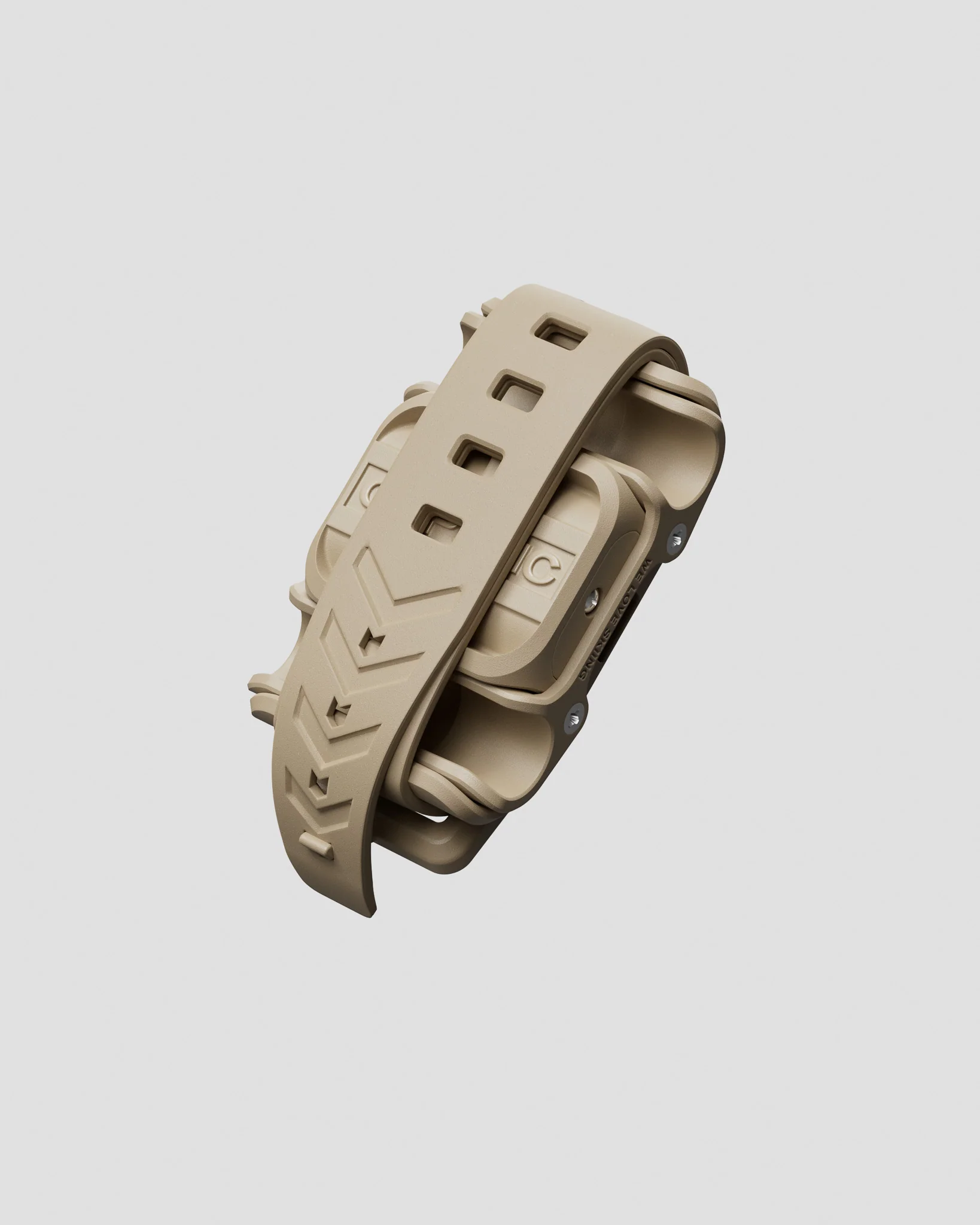
Missing a hand while carrying ski gear?
A friend of mine created Clipstic, the easy way to attach your poles to your skis! Using this link you get 10% off as well as support for Pick-a-ski!
Check it out!Not sure the Hero master lt is your ski?
Answer a few quick questions and the ski selector matches you with the right skis from 800+ models — free, no sign-up.