The Rossignol Experience 80 Carbon targets front‑side/all‑mountain skiers who spend most of their time on groomers, with the versatility to handle mixed snow. Its lightweight paulownia wood core with carbon reinforcement keeps things agile and forgiving, while the Rectangular Full Sidewall and Drive Tip Solution add grip and calm for its class.
Who is it for?
- Ability: intermediates to intermediate‑advanced riders building carving skills.
- Terrain: groomers and mixed conditions; fine with a few inches of fresh, not a powder specialist.
- Style: short to medium turns, relaxed to moderate speeds, low fatigue preferred.
On‑snow performance
- Carving and turn initiation: the All‑Trail rocker and 125 mm tip make turn entries effortless. It feels best in short‑to‑medium arcs with easy edge‑to‑edge transitions.
- Stability and damping: Drive Tip tamps down chatter impressively for a light ski. At higher speeds and in chopped snow you’ll notice the lighter, carbon feel vs a metal‑laminate ski.
- Hard‑snow grip: the full sidewall provides trustworthy edge hold for this category. On boilerplate ice, stiffer metal skis (e.g., Salomon Stance 84) still have the advantage.
- Bumps and tighter spaces: light swing‑weight plus slight tail rocker make pivoting and line adjustments simple—friendly in moguls and teaching drills.
- Soft or tracked snow: the 80 mm waist manages day‑after snow and soft groomers fine, but deeper or heavier chop will deflect it more than wider, heavier options.
Comparisons
- Rossignol Experience 82 Basalt: a touch wider with more damping and a higher speed ceiling; the 80 Carbon is lighter and easier for progressing intermediates.
- Atomic Maverick 83 C: looser and more all‑mountain‑freeride off‑piste; the Experience 80 is more precise and carve‑oriented on groomers.
- Salomon Stance 84: stiffer, more stable at speed, but more demanding; the Rossignol is more forgiving and less fatiguing.
- K2 Disruption 78C: even more piste‑focused with lightning‑quick edge‑to‑edge; the Rossignol offers slightly better versatility off the side of the trail.
Specs explained
- Rocker profile: All‑Trail/All‑Terrain rocker (tip & tail rocker with camber underfoot). Eases turn entry and release while maintaining edge grip and rebound on edge.
- Sidecut: 125‑80‑113 mm with progressive geometry. Wide tip pulls you into the turn; narrower tail finishes with control.
- Turn radius: 10–18 m by length. Shorter radii feel quick and nimble; longer radii add composure at speed.
- Core & laminates: paulownia wood + carbon. Low weight and lively snap, with less heavy‑duty damping than metal laminates.
- Construction: Rectangular Full Sidewall. Direct power transfer and reliable edge grip.
- Tip damping: Drive Tip Solution. Reduces vibrations and improves snow contact, especially in rough or scraped sections.
- Weight: low (e.g., about 3.5 kg/pair in 174 cm). Enhances agility and reduces end‑of‑day fatigue.
Bindings and setup
Often sold with Look Xpress 11 GW. This lightweight system binding is convenient and GripWalk‑compatible. For most intermediates, Xpress 11 is sufficient; heavier/aggressive skiers may want a shop to confirm DIN range.
Pros and cons
- Pros: very easy turn initiation; light and forgiving; solid edge hold for its class; low fatigue over a full day.
- Pros: confidence‑building for progressing intermediates; friendly in bumps and tighter spaces.
- Cons: limited high‑speed damping in rough snow; not a powder floater; not the grippiest choice on boilerplate ice.
Sizing advice
- Intermediates: around chin‑to‑nose height (shorter = more nimble, longer = more stable).
- Advanced or faster skiers: nose to forehead/full length (e.g., 174 or 182 cm depending on size/weight).
Key takeaways
- Agile and forgiving: ideal for accelerating carving progression.
- Light but capable: good grip and calm within a sensible speed window.
- Best on groomers: handles mixed snow, but not built for deep powder.
- Great value package: with the Xpress system, it’s a hassle‑free setup for most intermediates.
Frequently asked questions
Q: Is the Rossignol Experience 80 Carbon good for beginners?
A: Yes, for motivated beginners to lower‑intermediates it’s friendly and predictable. True first‑timers may prefer a softer, shorter rental/entry ski, but this Rossignol grows with you well into intermediate levels.
Q: How does it perform on ice?
A: The sidewall construction provides respectable grip on hardpack. On true boilerplate, stiffer metal‑reinforced skis still have the edge, but for typical resort conditions it holds confidently.
Q: What length should I choose?
A: Aim for roughly nose height for a balance of stability and agility. Size down if you’re lighter or ski slower; size up if you’re heavier or ski faster/more aggressively.
Bottom line
The Rossignol Experience 80 Carbon is an excellent front‑side all‑mountain choice for intermediates seeking a light, confidence‑inspiring ski to refine their carving. It shines with ease of use, edge hold, and all‑day comfort. If top‑end stability or deep‑snow float is your priority, look elsewhere—but as a versatile, approachable piste partner, it’s a standout.
The neighbourhood
its nearest skis on the map, by character — not by brandQuestions & opinions
User reviews
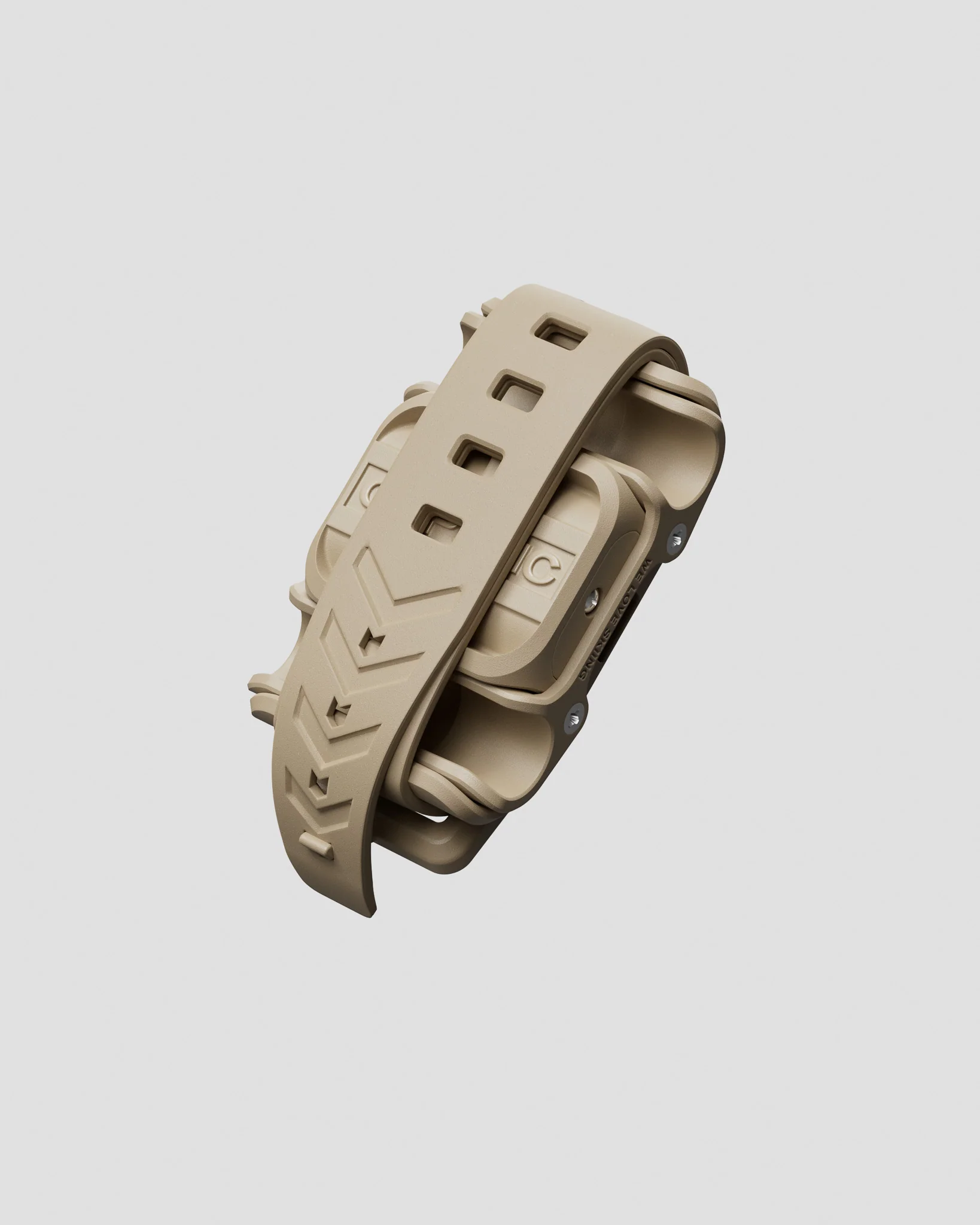
Missing a hand while carrying ski gear?
A friend of mine created Clipstic, the easy way to attach your poles to your skis! Using this link you get 10% off as well as support for Pick-a-ski!
Check it out!Not sure the Experience 80 carbon is your ski?
Answer a few quick questions and the ski selector matches you with the right skis from 800+ models — free, no sign-up.