Overview
The Rossignol Blackops 92 is a playful all‑mountain/freeride ski aimed at the youth/junior segment, but the 176 cm size also suits lighter or smaller adults who want a nimble, do‑it‑all twin. Progressive rocker with camber underfoot and a lightweight paulownia core make it easy to pivot, quick to engage, and fun from park to powder. It’s not a charger; it’s a lively, forgiving platform that encourages slashes, butters, and creativity across the hill.
Who is it for?
- Younger or lighter skiers seeking an energetic all‑mountain ski with room to grow.
- Intermediates expanding from groomers into trees, bumps, park, and soft snow without the burden of a heavy ski.
- Not ideal for heavy, very fast skiers or frontside carvers who demand maximum stability and edge hold.
On‑snow performance
- Groomers: The camber delivers reliable edge grip and pop in short to medium turns. At high speed on firm snow, the tip can chatter and the ski reveals a clear top‑end limit.
- Bumps & trees: Low swing weight and easy pivoting inspire confidence. It’s intuitive to steer, even from a slightly backseat stance.
- Soft snow: For ~92 mm underfoot, the long tip rocker provides solid float. The tapered tail smears and slashes easily; for true deep days, a wider board wins.
- Park & sidehits: Forgiving and lively with a friendly swing weight. Landings are fine for its class, though it lacks the damp heft of burlier park/all‑mountain twins.
Construction & design
- Paulownia wood core: very light and lively, optimized for agility and junior/lighter riders.
- Full sidewall: better power transmission and edge hold than cap‑only builds.
- Progressive rocker/sidecut: long, lowered tip rocker and tapered tail for easy turn initiation and float; camber underfoot for rebound and grip.
Specs and what they mean
- Rocker profile: Progressive rocker with traditional camber underfoot. This makes turn initiation effortless, boosts float in soft snow, and preserves hard‑snow grip.
- Dimensions (tip‑waist‑tail): roughly 122‑90/92‑112 mm depending on length. A 92 mm waist hits an all‑mountain sweet spot: agile edge‑to‑edge yet supportive in variable snow.
- Radius: 9 m (136) – 20 m (176); 16 m @ 166 cm. Intuitive for short to medium arcs, with enough range for longer lines.
- Weight: about 2.7–3.4 kg per pair (136–176); ~3.2 kg/pair @ 166 cm. The light build boosts playfulness and maneuverability but reduces high‑speed damping.
- Lengths: 136/146/156/166/176 cm. As a playful all‑mountain, think nose‑to‑forehead height; size up slightly for more stability.
Comparisons
- Salomon QST 92: more stable and directional; less playful for switch/butters.
- Armada ARV 94: beefier and more confident on landings; not as featherlight in trees/bumps.
- K2 Reckoner 92: similarly loose and fun; the K2 tail feels a touch surfier, the Rossi tracks better on edge.
- Line Chronic 94: more pop and stability at speed, but demands more input.
Mounting & sizing notes
- Start on Rossignol’s recommended line. Go up to +1 cm for more park/switch, or −1 cm for all‑mountain stability.
- Lighter riders: don’t oversize—rocker and low weight already make it easy to release the tail.
Pros and cons
- Super nimble, light, and playful; excellent in trees, bumps, and for sidehits.
- True all‑mountain versatility with respectable grip for the category.
- Forgiving flex that supports progression in park and off‑piste.
- Limited stability at high speed/through heavy chop; some tip chatter on hard snow.
- Not the best tool for trench‑carving or bottomless powder.
Key takeaways
- Prioritizes playfulness over brute force; more fun to slash than to straight‑line.
- Low weight = easy to ski, less damping at speed.
- 92 mm waist hits an all‑mountain sweet spot for youth and lighter riders.
Frequently asked questions
Q: Is the Rossignol Blackops 92 good for beginners?
A: For motivated beginners to intermediates, yes—its forgiving flex and easy turn initiation help you progress. Absolute novices may prefer a shorter length; the Blackops 92 shines as skills grow.
Q: What length should I choose?
A: For a playful all‑mountain feel, aim nose‑to‑forehead. Go slightly shorter for park and lighter riders; size up a step for more stability and off‑piste support.
Q: How does it handle icy groomers?
A: Respectably for its class thanks to full sidewalls and camber. Still, it’s a playful, lighter ski—don’t expect the locked‑in carve and damping of a dedicated frontside model.
Q: What bindings pair well?
A: A lightweight all‑mountain/park binding in the DIN 10–12 range matches the ski’s target rider and character. Keep the setup light to preserve maneuverability.
The neighbourhood
its nearest skis on the map, by character — not by brandQuestions & opinions
User reviews
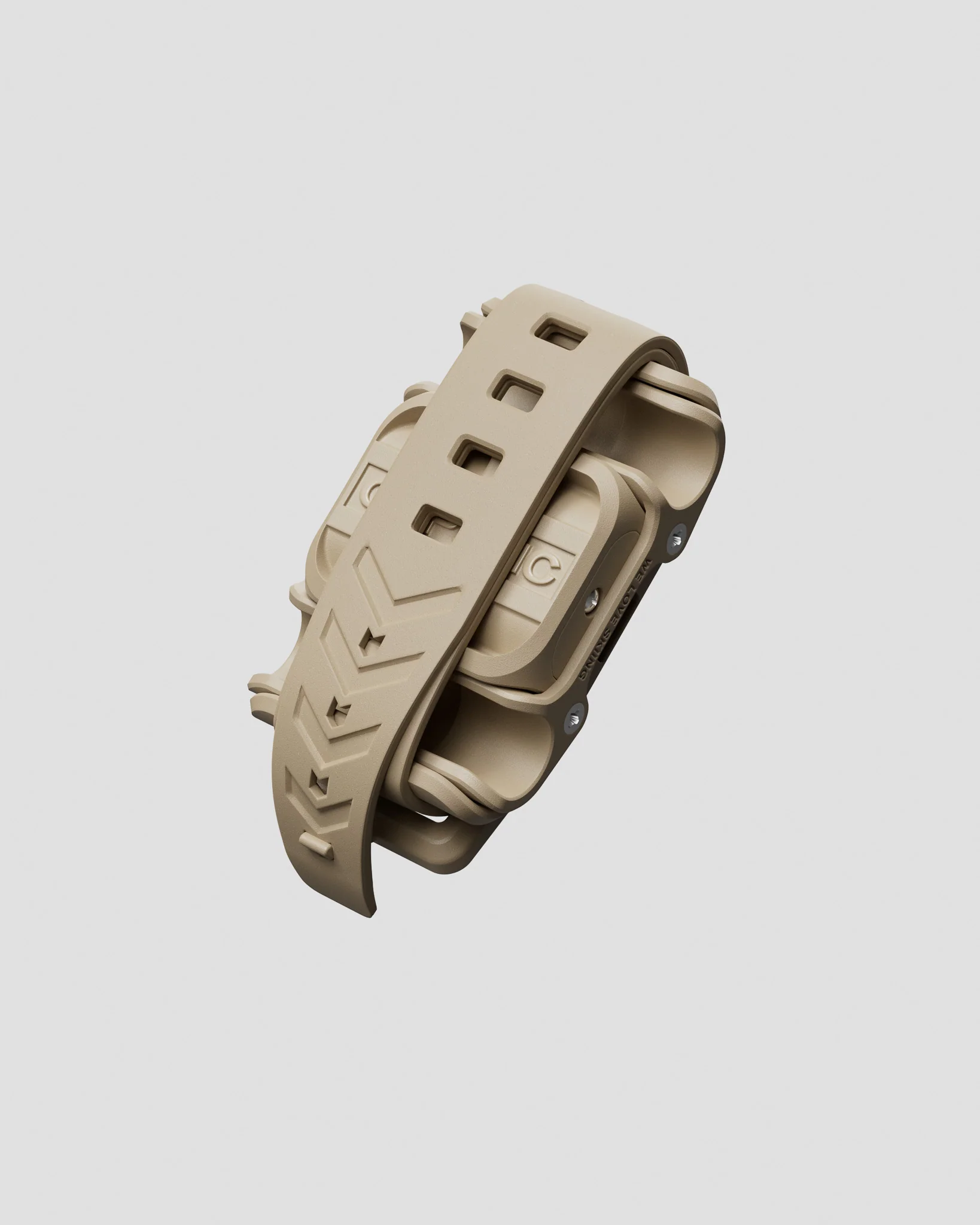
Missing a hand while carrying ski gear?
A friend of mine created Clipstic, the easy way to attach your poles to your skis! Using this link you get 10% off as well as support for Pick-a-ski!
Check it out!Not sure the Blackops 92 is your ski?
Answer a few quick questions and the ski selector matches you with the right skis from 800+ models — free, no sign-up.