Dob. dh wc dept edt plate review
In-depth review of Dob. DH WC Dept EDT Plate, a full-camber FIS downhill race ski with Energy 2 TI construction and EDT speed plate, built for extreme high-speed stability.
Overview and intended use
Dob. DH WC Dept Edt Plate is a purpose‑built FIS downhill race ski designed for maximum stability and straight-line speed on hard, icy tracks. With full camber and a very long radius (≥ 50 m), it offers a planted, predictable platform at high velocity but demands committed input and race-level technique. Offered in 212 and 218 cm and weighing 5240 g per pair, it’s clearly a specialist tool: perfect for downhill courses and trained racers, not for après or casual piste carving.
Construction, plate and tuning
The construction centers on Energy 2 TI Worldcup: a performance wood core with full-length Titanal layers and full sidewalls. The Speed Plate / EDT interface provides direct power transmission, reduced torsion and a race-ready mounting platform. Factory bevels (base 0.6° / side 86°) and the beefy layup deliver outstanding edge grip and high-speed damping. In practical terms that means consistent edge hold, reduced chatter and confidence when you push into very fast, rough sections.
On‑snow behaviour and handling
On snow this ski behaves like a true downhill machine: phenomenal stability down straights and a secure feel when committing to speed. Full camber and full sidewall construction maximize edge contact on icy groomers; the long radius requires space and commitment for wide, sweeping turns. Low-speed maneuvering and short-radius turns are awkward due to mass and stiffness. For racers it’s ideal; for most recreational skiers it will feel heavy, demanding and overly specialized.
Who it’s for and comparisons
The intended customer is the World Cup downhill racer or an elite-level speed specialist. Comparable skis are other FIS DH models from race divisions of major brands, which share heavy titanaly constructions and very long radii. Compared to piste carving skis this model is far less forgiving but far more stable at velocity. Drawbacks include limited versatility, a need for professional mounting and tuning, and unsuitability for intermediate skiers.
Specs explained and buying notes
A few specs warrant explanation: full camber increases edge pressure during an engaged turn for maximum grip on hard snow. Radius ≥ 50 m indicates geometry built for long, fast turns rather than quick arcs. Weight (5240 g per pair ≈2620 g per ski) adds inertia and high-speed stability but requires strength and proper bindings. Tip/waist/tail dimensions are listed as R&D and not published; contact an authorized dealer for exact sidecut if you need it. Choose these skis only if you need FIS-level downhill performance.
The neighbourhood
its nearest skis on the map, by character — not by brandQuestions & opinions
User reviews
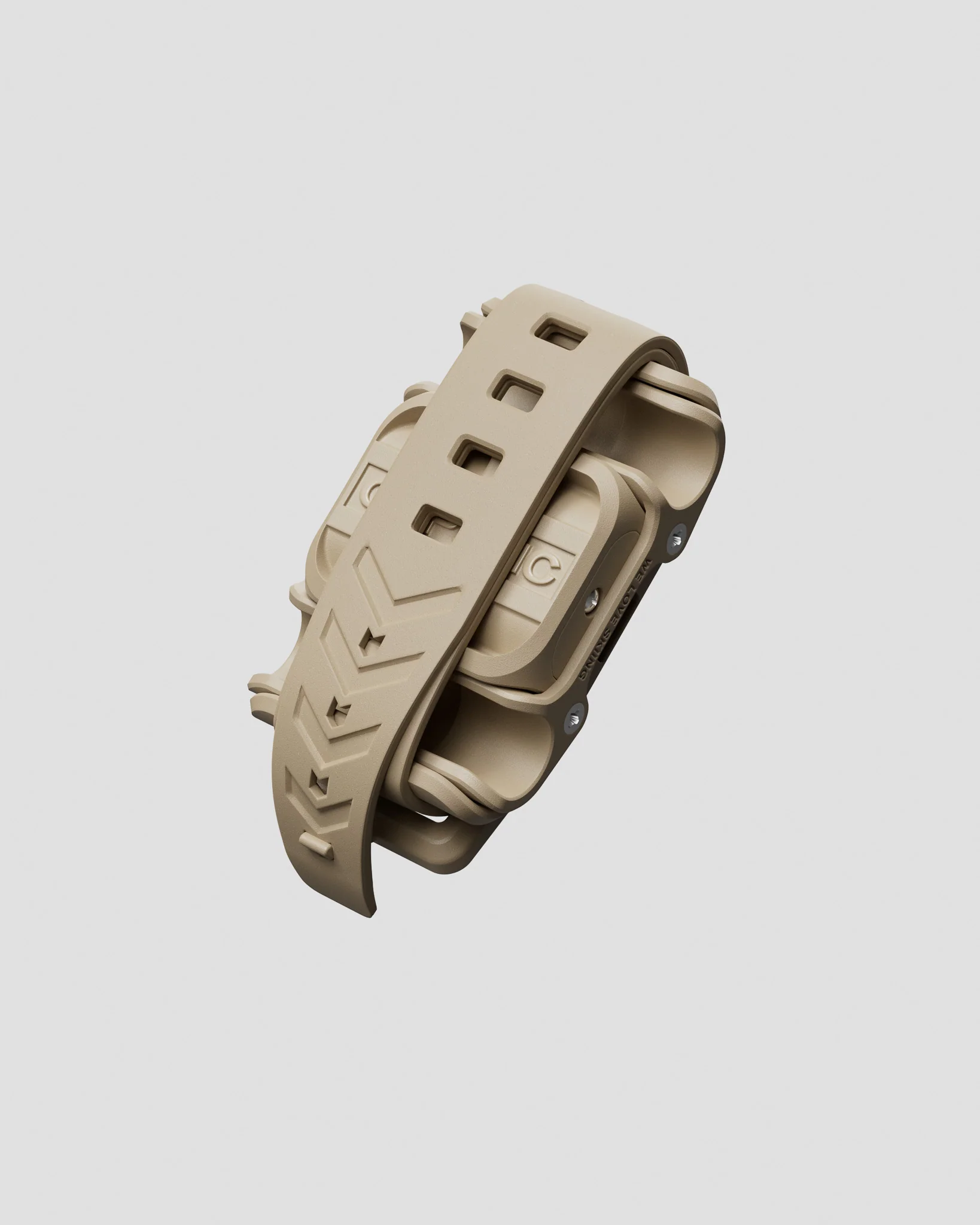
Missing a hand while carrying ski gear?
A friend of mine created Clipstic, the easy way to attach your poles to your skis! Using this link you get 10% off as well as support for Pick-a-ski!
Check it out!Not sure the Dob. dh wc dept edt plate is your ski?
Answer a few quick questions and the ski selector matches you with the right skis from 800+ models — free, no sign-up.