Dob. sg wc dept edt plate review
Detailed review of the Dobermann SG WC DEPT EDT Plate: construction, on‑snow behavior, target rider, and key specs. Includes comparisons to other World Cup Super‑G race platforms.
Overview and purpose
This Super‑G oriented ski is built specifically for speed racing on prepared, hardpack snow and follows FIS World Cup geometry and lengths. It’s a race platform designed to prioritize straight‑line stability, high‑speed control, and uncompromising edge grip for experienced racers and coaches. This is not a do‑it‑all resort ski: it excels in race scenarios and high‑tempo training where precision, speed retention, and predictable behavior under immense loads are required.
Construction and technology
The Energy 2 TI Worldcup construction pairs a performance wood core with Titanal laminates and full sidewalls for high torsional stiffness and direct power transfer. The Speed Plate EDT ties binding forces into the ski flex for improved torsional stability and consistent pressure distribution at speed. Factory edge angles (base 0.6° / side 86°) reflect race tuning and emphasize maximum bite and control on hard snow, but demand precise mounting and edge maintenance to perform as intended.
On‑snow performance
On snow the ski feels exceptionally stable and damp at velocity, carving long, committed arcs while shrugging off track irregularities. The full camber profile (no tip or tail rocker) gives very direct edge engagement and a predictable edge‑to‑edge transition when initiating turns. The long radii across available lengths suit sweeping Super‑G lines rather than tight slalom moves. Compared with other World Cup SG platforms from leading manufacturers, this model stands out for raw stiffness and a race‑ready, minimally forgiving character.
Who should buy
This ski suits expert racers, World Cup athletes, and dedicated speed trainers who prioritize top‑end stability and maximum edge grip. Downsides include its demanding nature—less forgiving for intermediate skiers—and its mass, which requires technique and strength to manage over a full training day. Mounting and tuning must be done by an experienced technician. For recreational skiers or those wanting versatility, a softer, rockered sport ski is more appropriate.
Specs explained and missing sidecut
Several important specs affect performance: the full camber profile increases edge hold and precise turn initiation; the factory edge angles optimize bite on hardpack; the Speed Plate improves power transfer; weight per pair influences swing mass and inertia; and radius by length governs turn size and stability. Tip/waist/tail millimeters are not published for this model; if you want exact sidecut numbers I can search dealer tech sheets or request an official PDF from an authorised source.
The neighbourhood
its nearest skis on the map, by character — not by brandQuestions & opinions
User reviews
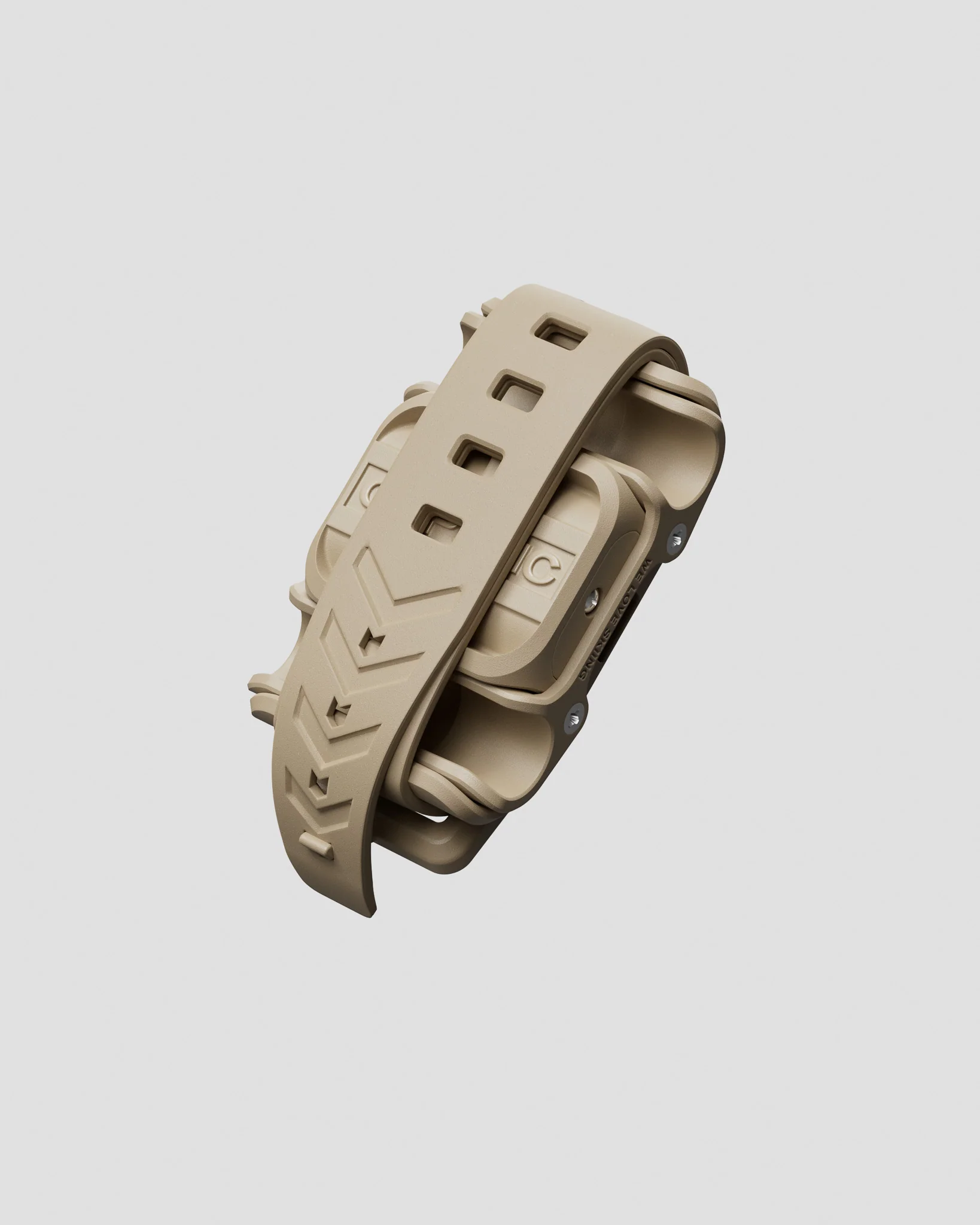
Missing a hand while carrying ski gear?
A friend of mine created Clipstic, the easy way to attach your poles to your skis! Using this link you get 10% off as well as support for Pick-a-ski!
Check it out!Not sure the Dob. sg wc dept edt plate is your ski?
Answer a few quick questions and the ski selector matches you with the right skis from 800+ models — free, no sign-up.