Duke pt 11 review
Marker Duke PT 11 review: hybrid touring binding with DIN 3–11, 23 mm heel elasticity, 100/125 mm brakes, MNC compatibility, alpine-like power, pros and cons.
Chassis
hybrid · alpine touringOverview
The Marker Duke PT 11 is a hybrid alpine–touring binding built for riders who prioritize confident downhill performance yet want credible touring capability. Its Ride & Hike toe uses tech pins for the uphill and locks into an alpine-style interface for the descent, delivering a genuinely alpine feel with broad MNC boot compatibility.
Who is it for?
- Intermediate to advanced skiers who fit a DIN range up to 11.
- Freetourers who value stability, elasticity, and release consistency on the way down.
- Riders willing to carry a bit more weight in exchange for alpine-level power and damping.
On-snow performance
Downhill
The Duke PT 11 skis impressively close to a full alpine binding: solid power transfer, excellent damping, and generous heel elasticity (~23 mm) that helps resist pre-release in chopped or variable snow. The platform feels secure at speed and composed through impacts.
Touring
Tech pins in hike mode provide a far more efficient stride than frame bindings. Removing the upper toe housing reduces swing weight on the skin track. The Lock & Walk brake offers a neutral walk mode and a 10° climbing aid. It’s heavier and a touch less natural in pivot than pure tech bindings, but for short-to-moderate tours the compromise is very workable.
Notable features
- Ride & Hike toe with removable upper housing (cuts swing weight uphill)
- Auto Quad Lock toe locking for confident downhill engagement
- Inter Pivot 3 / Hollow Linkage heel for strong, consistent release
- Lock & Walk brake with neutral walk mode + 10° climbing aid
- Sole.ID MNC gliding AFD, plus anti-ice rail
Specs explained
- Type of binding: Hybrid (Alpine Touring) – combines tech efficiency uphill with alpine-like security downhill.
- DIN value: 3–11 – adjustable release range suitable for lighter to medium-weight skiers; set by a qualified tech.
- Elastic travel: 23 mm (heel) – extra elasticity absorbs hits and reduces unwanted pre-release.
- Brake width: 100 mm, 125 mm – choose roughly 10–15 mm wider than your ski’s waist.
- Weight: about 1,150 g per binding in ski mode; about 850 g per binding in uphill mode (toe housing removed) – double for the pair; varies with brake width.
- Compatibility: ISO 5355 (Alpine), ISO 23223 (GripWalk), ISO 9523 (AT) – broad MNC/Sole.ID boot compatibility.
- Materials: magnesium/aluminum chassis, steel hardware, reinforced plastics – a robust mix balancing stiffness, durability, and mass.
Comparisons
- Salomon/Atomic Shift 10/13: lighter with a more natural touring pivot (no removable toe housing). The Duke PT feels a bit more “alpine” and damp on the descent. PT 11 tops at DIN 11 (between Shift 10 and 13 in target audience).
- Marker Kingpin 10/13: notably lighter with easier touring stride, but less alpine-like damping/elasticity and different sole compatibility.
- Frame bindings (e.g., Baron/Guardian): PT tours far more efficiently thanks to the tech toe and skis more damped than most frames.
Pros and cons
- Pros: Downhill feel close to a true alpine binding; generous heel elasticity; wide boot compatibility (MNC); touring-friendly features.
- Pros: Removable toe housing cuts uphill swing weight.
- Cons: Heavier than Shift/Kingpin/Tecton; transitions require removing and stowing the toe housing.
- Cons: Touring pivot less efficient than pure tech designs.
Key takeaways
- Downhill-first hybrid delivering real alpine confidence with touring utility.
- DIN 3–11 suits lighter/medium skiers or those not needing higher settings.
- Brake options (100/125 mm) fit most modern freeride/freetour skis.
Frequently asked questions
Q: Will my boots work with the Marker Duke PT 11?
A: Yes. Thanks to MNC/Sole.ID it accepts Alpine (ISO 5355), GripWalk (ISO 23223), and AT (ISO 9523) soles. Always have mounting and DIN settings done by a qualified technician.
Q: How does the weight compare to alternatives?
A: It’s heavier than Shift/Kingpin/Tecton, but significantly better for touring than frame bindings. Removing the toe housing helps reduce swing weight on the climb.
Q: Who should choose the PT 11 over the PT 13/16?
A: If your required DIN is under 11 and you don’t need the extra spring pressure or stiffness, the PT 11 saves some weight and money. Heavier or more aggressive skiers should step up to PT 13/16.
Q: Which brake width should I pick?
A: Aim for 10–15 mm wider than your ski’s waist (e.g., 98–110 mm skis → 100 mm brake; 110–120+ mm → 125 mm brake).
Verdict
The Marker Duke PT 11 is a robust, downhill-oriented hybrid that pairs excellent alpine-like performance with practical touring capability. If you want a binding that skis like an alpine setup but still lets you tour, this is a standout—provided you accept the extra weight and the toe-housing transition.
Questions & opinions
User reviews
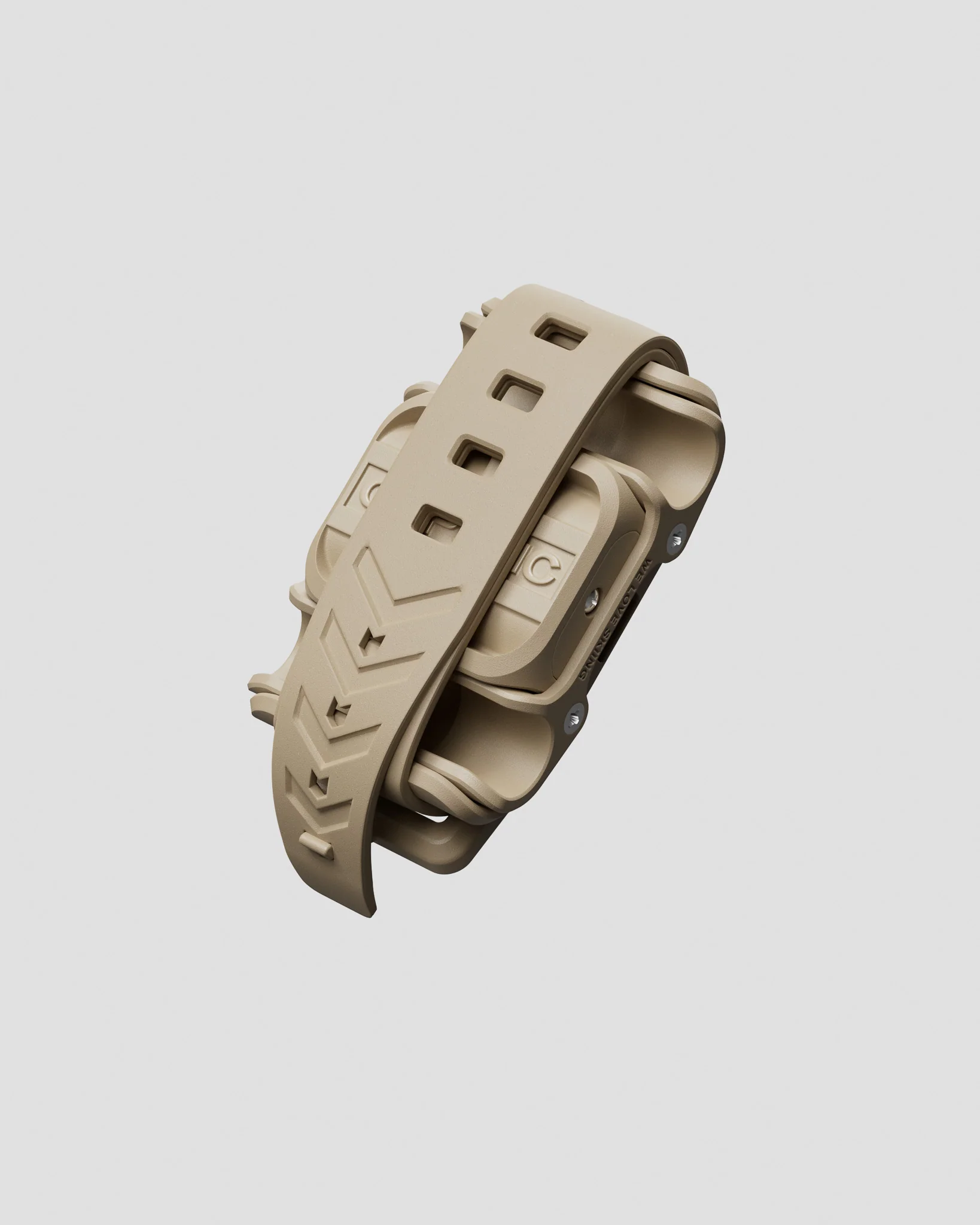
Missing a hand while carrying ski gear?
A friend of mine created Clipstic, the easy way to attach your poles to your skis! Using this link you get 10% off as well as support for Pick-a-ski!
Check it out!