Alpinist 12 review
Comprehensive Marker Alpinist 12 review: weight, DIN 6–12, 0/5/9 risers, 4 mm flex compensation, brakes, materials, on-snow performance vs ATK, MTN, Dynafit.
Chassis
tech · alpine touringThe Marker Alpinist 12 is a lightweight tech touring binding that prioritizes efficiency on the climb while remaining confident on the descent. With adjustable lateral release up to DIN 12, 0°/5°/9° climbing aids, and active length compensation, it hits a sweet spot for big days in the backcountry without lugging extra grams.
Who is it for?
- Ski tourers and ski mountaineers who value low weight and reliable downhill performance.
- Riders needing up to DIN 12 lateral release and skiing varied terrain.
- Not the best choice for frequent resort laps or hard-charging freeride; heavier hybrid/freeride tech bindings suit that better.
Specs explained
- Type of binding: Tech / Alpine Touring. Uses pin inserts in your boots for a minimalist, efficient uphill setup.
- DIN / release value: 6–12 (lateral). Suits average to aggressive touring skiers; lighter skiers may prefer the Alpinist 10.
- Elastic travel: ~4 mm active length compensation plus 15 mm heel adjustment. Maintains clamp consistency as skis flex; expands boot sole length range.
- Brake width: optional 90 / 105 / 115 mm. Choose a brake up to ~15 mm wider than your ski waist.
- Weight: 245–270 g per binding without brake; ~335–360 g with brake. Excellent for long climbs; still light with brakes.
- Compatibility: Tech inserts required (ISO 9523 touring soles with tech fittings). Not compatible with standard alpine soles (ISO 5355).
- Materials: Carbon-reinforced toe, forged aluminum heel components, steel pins. Strong for the weight with good longevity.
Uphill performance
Feathery weight and 0°/5°/9° risers make skinning efficient on variable slopes. The Fast Shift mode, anti-ice pads, and elastomers aid quick, clean transitions and easier step-in even in cold, snowy conditions. Flat mode strides naturally and the mount footprint provides solid leverage for sidehilling.
Downhill performance and release
Lateral release is adjustable (DIN 6–12), while forward release is governed by the U-bow (not micro-adjustable). The ~4 mm active length compensation helps maintain retention as the ski flexes. On firm snow the ride is direct and predictable; if you push into bigger drops or resort speeds, the limited elasticity versus freeride/hybrid tech bindings becomes apparent.
Features and usability
- 0°/5°/9° climbing aids with Fast Shift for swift, intuitive transitions.
- Anti-ice pads and elastomers simplify step-in and reduce icing.
- 38 mm mount pattern improves power transfer on wider skis.
- Optional brakes and crampons; a long-travel variant adds heel track range.
Durability
Carbon-reinforced plastics, forged aluminum, and steel pins deliver a robust strength-to-weight ratio. Fewer moving parts typically mean lower maintenance; keep pins and boot inserts clean to ensure smooth engagement over time.
Comparisons
- Salomon MTN / Atomic Backland Tour: slightly heavier with U-spring forward release; Alpinist is lighter with active length compensation and three risers.
- ATK Raider 12: more elasticity and adjustability with a stronger downhill bias, but heavier and pricier.
- G3 Zed 12: heavier with integrated brakes and more elasticity; Alpinist wins on weight and simplicity.
- Dynafit Superlite/Blacklight: lighter overall but more minimal; Alpinist is more user-friendly day to day.
Potential drawbacks
- Forward (vertical) release isn’t micro-adjustable; it’s defined by the U-bow spring rate.
- Optional brakes add weight and some complexity compared to integrated systems.
- Less elasticity than freeride-oriented tech or hybrid bindings; not ideal for frequent resort use or big airs.
- Standard heel track offers 15 mm of adjustment unless you choose the long-travel option.
Key takeaways
- Exceptionally light with real-world downhill confidence for touring.
- DIN 6–12 fits a wide range of backcountry skiers seeking stronger retention.
- Smart details: active length compensation, anti-ice pads, and 0/5/9 risers.
- Best for touring and ski mountaineering; freeride-focused skiers may want burlier options.
Frequently asked questions
Q: Will the Marker Alpinist 12 work with my boots?
A: You need tech inserts (typically ISO 9523 touring boots with pin fittings). Standard alpine soles (ISO 5355) won’t work with tech bindings like the Alpinist 12.
Q: Do I need brakes on a touring setup?
A: Brakes add safety and convenience but also weight. Many backcountry skiers choose brakes for mixed terrain; weight-conscious riders often prefer a leash.
Q: What does the ~4 mm active length compensation do?
A: It keeps clamping force more consistent as the ski bends, improving retention and reducing the chance of pre-release.
Also compared
4 pairsQuestions & opinions
User reviews
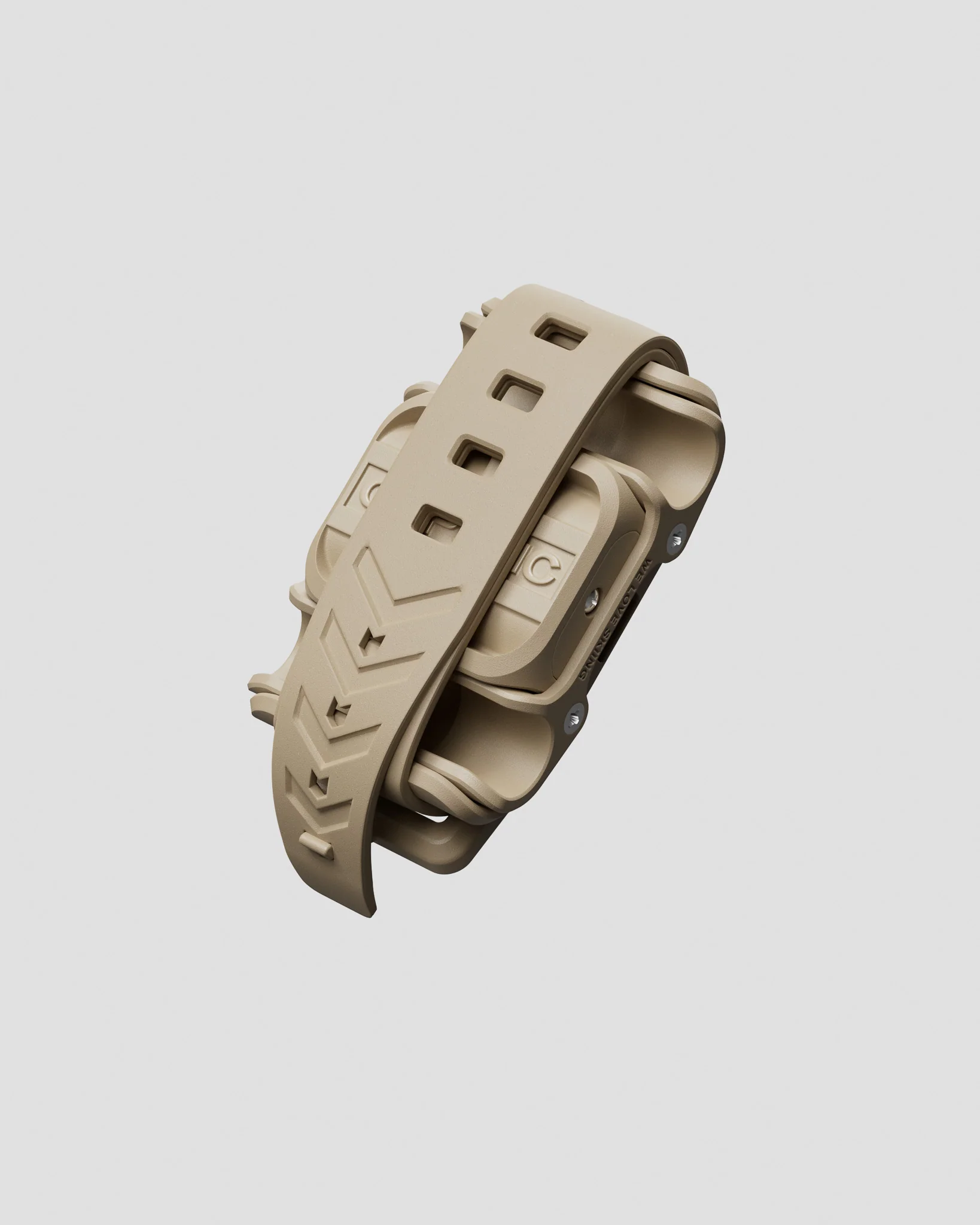
Missing a hand while carrying ski gear?
A friend of mine created Clipstic, the easy way to attach your poles to your skis! Using this link you get 10% off as well as support for Pick-a-ski!
Check it out!