The widest Pandora aims squarely at resort powder and mixed conditions while staying composed on groomers. The LINE Pandora 106 blends predictable dampness with an energetic, easy‑to‑steer feel, making it a strong all‑mountain/freeride choice for advanced to expert skiers who want one ski for soft snow days and everything in between.
Key takeaways
- Float meets control: 106 mm waist with generous tip/tail rocker delivers strong float and intuitive turn initiation.
- Calm in chop: Capwall with Thick‑Cut Sidewalls adds real damping; stays planted in tracked powder and crud.
- Balanced sidecut: ~18 m radius prefers medium turns, stable at speed yet still nimble in trees.
- Directional confidence: Setback stance and supportive tail inspire trust on landings; less “surfy‑loose” than the most playful twins.
Who it’s for (and who it isn’t)
- Best for: advanced/experts who ski off‑piste often, like trees, powder, and soft/mixed resort snow but still want decent groomer performance.
- Not ideal for: frequent ice or hard‑snow carvers who crave metal‑like edge hold (consider Nordica Santa Ana 104 Free or Rossignol Rallybird 104 Ti). Not a dedicated lightweight touring ski.
Construction & specs (explained)
- Rocker profile: 12‑3‑10 mm (tip‑waist‑tail) — Tip and tail rocker with a small cambered midsection. You get easy float and pivot with enough edge contact for firm‑snow composure and pop.
- Dimensions: 134/106/125 mm — Widths that balance float (tip), versatility (106 mm underfoot), and supportive tail feel.
- Sidecut radius: ~18–18.4 m (183 cm) — Predictable, medium‑arc stability; confidence at speed without hookiness.
- Weight: ~2160 g per ski (183 cm) — Heavier than ultralights; translates to better damping and fewer deflections in chop (less ideal for big tours).
- Capwall + Thick‑Cut Sidewalls — Added sidewall mass reduces vibration and boosts durability; cap upper keeps weight reasonable and flex smooth.
- Aspen veneer core + Bio‑Resin, FSC wood — Lively core with more sustainable materials; energetic without feeling harsh.
- 5‑Cut geometry — Multiple blended radii allow quick shifts between short and longer turns.
- Stance setback ~39 mm — Directional balance for float and tracking stability.
- Sintered 1.3 base + 2.1 x 2 mm edges — Durable, fast base and robust edges for resort abuse.
On‑snow performance
- Powder & soft snow: Excellent float for 106 mm thanks to long tip rocker; mild tail rocker keeps it smearable without feeling washy.
- Tracked powder & crud: Extra mass and thick sidewalls keep it quiet and confidence‑inspiring. You can push speed without nervous chatter.
- Groomers: Engages an edge cleanly and prefers medium‑radius arcs. Not a metal‑laminate carver; on boilerplate, edge hold trails the burliest options.
- Bumps & trees: Directional shape and shorter effective edge make it easy to pivot. In tight, zipper‑line moguls, the 183 can feel like “a lot” for lighter skiers.
- Drops & landings: Supportive tail gives a stable platform for small drops and pillows; more directional than freestyle‑loose, but reliably composed.
Sizing & mount
- Length: If between sizes, go shorter (169/176) for trees/bumps and moderate speeds; longer (183/189) for open terrain, float, and top‑end stability. Lighter or progressing skiers often like 169/176 cm.
- Mount point: Start on the recommended line. Move +1 to +2 cm forward if you value a touch more freestyle/switch; don’t go too far, it’s a directional shape.
Comparisons
- K2 Mindbender 106C W: Lighter, more flickable; easier in tight trees. Pandora 106 is calmer and more planted in chop at speed.
- Salomon QST Stella 106: Very forgiving and light. Pandora feels more precise and stable when the pace picks up; QST is a bit quicker at low speed.
- Nordica Santa Ana 104 Free: Stronger edge hold and top‑end stability via metal, but heavier and more demanding. Pandora is an easier daily driver.
- Blizzard Sheeva 11: Looser and surfier in deep snow; less precise on piste. Sheeva 10 (102) is a versatile option but offers less float than Pandora 106.
- Black Crows Atris Birdie: More playful and smear‑happy; Pandora is more directional and predictable when charging.
Pros and cons
- Pros: Excellent float‑to‑groomer balance; notably damp in chop; durable construction; versatile turn shapes.
- Cons: Not an ice specialist; not ultralight; tail isn’t the loosest for slarvy, surf‑style skiing.
Key takeaways
- Real resort versatility: Confident in powder, crud, and groomers.
- Directional and stable: Medium‑radius sweet spot with planted manners.
- Friendly yet capable: Easy to ski, with enough backbone for aggressive lines.
Frequently asked questions
Q: Is the LINE Pandora 106 a one‑ski quiver?
A: In regions with regular soft snow, yes. It covers powder, chop, and groomers well. For very icy climates, a narrower, metal‑reinforced ski can be a better only‑ski.
Q: What size should I choose?
A: Aim around chin‑to‑nose height for all‑mountain use. Size up for speed/open terrain and more float; size down for trees/bumps or lighter riders.
Q: How does it handle ice?
A: Respectable for its width, but true ice grip lags behind metal skis (e.g., Santa Ana 104 Free). Consider sharper tunes if you often ski firm conditions.
Q: Is it good for touring?
A: It can work with hybrid bindings, but weight isn’t ideal for long missions. If uphill efficiency matters most, look to lighter touring‑oriented models.
The neighbourhood
its nearest skis on the map, by character — not by brandQuestions & opinions
User reviews
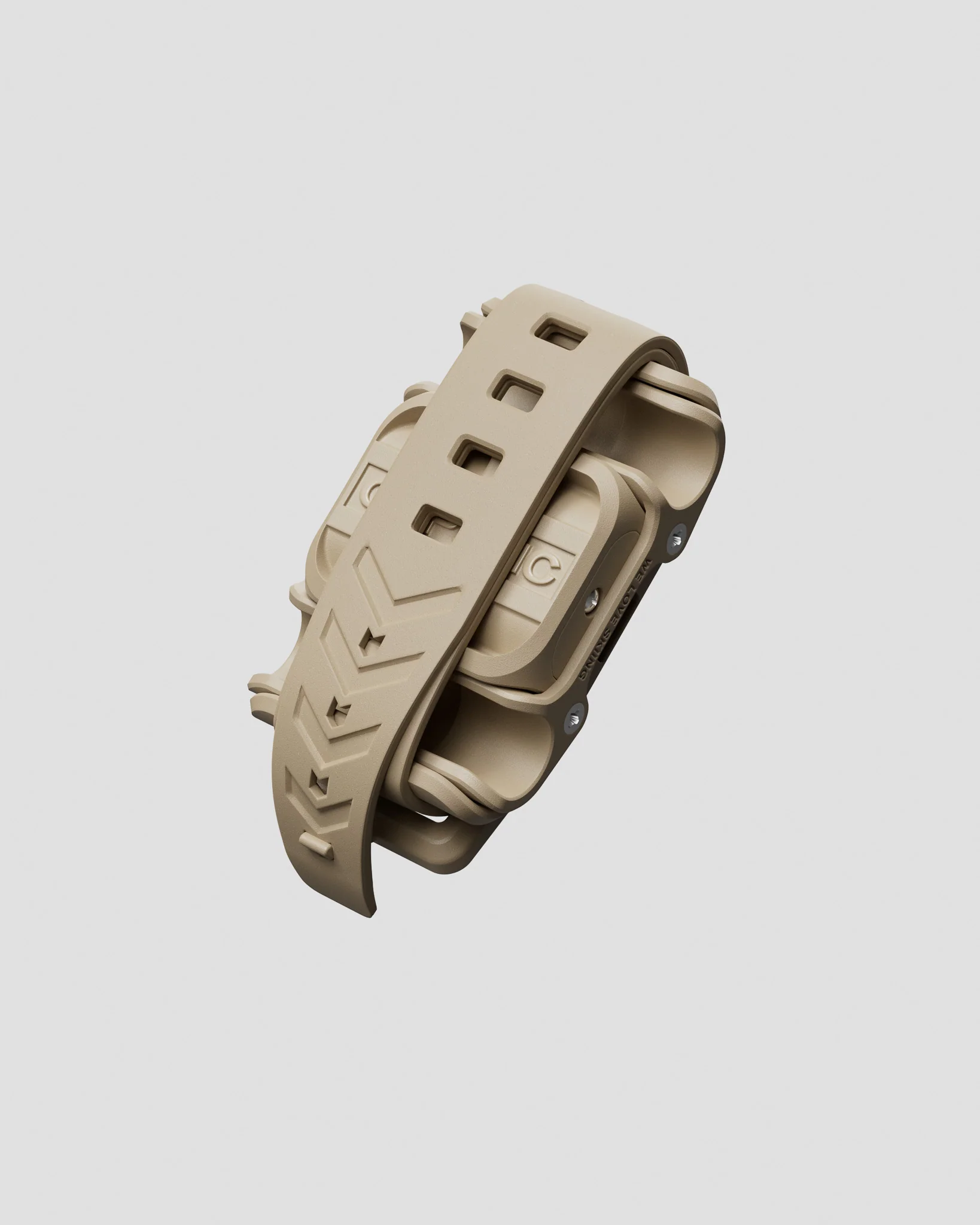
Missing a hand while carrying ski gear?
A friend of mine created Clipstic, the easy way to attach your poles to your skis! Using this link you get 10% off as well as support for Pick-a-ski!
Check it out!Not sure the Pandore 106 is your ski?
Answer a few quick questions and the ski selector matches you with the right skis from 800+ models — free, no sign-up.