The Line Optic 104 is a modern all‑mountain freeride ski that blends stability with quick, playful handling. At 104 mm underfoot with Early Rise rocker and targeted metal (Gas Pedal Metal Overdrive), it feels calm at speed yet nimble in trees, bumps, and soft snow.
Key takeaways
- Versatile width (104 mm): enough float for soft snow, still lively on groomers.
- Composed yet playful: targeted metal adds grip and damping; Thin Tip and Capwall keep swing weight low.
- Forgiving rocker: easy turn initiation and less hookiness in variable snow.
- Multi‑radius sidecut: happily makes both short, snappy turns and big, arcing ones.
- Not an ice carver: solid bite for the class, but it’s no race‑room edge on boilerplate.
On‑snow performance
- Powder & soft snow: Early Rise and 104 mm underfoot provide solid float up to about boot‑deep. Neutral stance with supportive tail for landings.
- Chop & crud: Gas Pedal Metal Overdrive brings stability without making the ski sluggish. It mutes chatter well for its weight, but it’s not as steamroller‑damp as heavy metal chargers like a Nordica Enforcer 104 Free.
- Groomers: On medium‑firm snow it engages confidently; 5‑CUT lets you vary turn shapes. On true ice/hardpack it holds decently, but don’t expect trench‑laying carves.
- Trees & bumps: low swing weight and a directional‑but‑friendly flex make it easy to pivot and smear. A very fun terrain ski.
Stability and speed
For its class and weight, the Optic 104 stays impressively composed at higher speeds. It’s more stable than many playful options (e.g., Atomic Bent 100/110) yet less dead/damp than full‑metal bulldozers (e.g., Blizzard Cochise or Nordica Enforcer). The sweet spot is fast all‑mountain skiing with room to open it up when conditions allow.
Maneuverability and playfulness
Capwall construction and the Thin Tip create light, quick turn starts with enough pop from the underfoot camber. Switch and side‑hits are fair game; the tail is directional, so it’s not a pure park ski, but it tolerates freestyle tendencies.
Who it’s for and sizing
- Ideal for: advanced to (light) expert skiers wanting a one‑ski quiver for lift‑served freeride/all‑mountain, with emphasis on soft snow and mixed conditions.
- Sizing: choose around your height for all‑around use. Size up (185/190) if you ski fast in open terrain and want maximum stability; size down for trees/moguls or lighter riders.
Build and durability highlights
- Capwall: blends sidewall power/edge hold with some cap forgiveness.
- Aspen veneer core: lively and reasonably light.
- Gas Pedal Metal + OVERDRIVE: focused titanal pieces for grip, damping, and calmness.
- Fatty Base & Edge: thicker base/edges for longevity.
- Thin Tip: reduced tip mass for lower swing weight.
Specs and what they mean
- Rocker profile (11 mm tip – 2 mm camber – 10 mm tail): rocker adds playfulness and float; slight camber maintains edge hold and rebound.
- Dimensions (132‑104‑123 mm): 104 mm is a versatility sweet spot; broad tip aids float, slightly narrower tail eases release and slarving.
- Weight (~1640–2080 g per ski by length; factory 1890 g): influences damping, agility, and touring crossover—this sits nicely in the middle.
- Radius (≈13–20 m by length; avg ~19 m): longer radii aid stability; Line’s 5‑CUT lets you drive multiple turn shapes.
- Lengths (159/166/171/178/185/190): broad size run to match size, strength, and style.
Comparisons
- Salomon QST 106: softer and surfier in soft snow; Optic 104 is crisper on edge and a bit more stable at speed.
- Blizzard Rustler 10: similar blend of fun and charge; Rustler is slightly burlier in chop, Optic feels quicker and more modern underfoot.
- Rossignol Sender 104 Ti: Rossi bites harder and feels more directional; Optic is friendlier in trees and bumps.
- Atomic Bent 110: more freestyle/surf; Optic 104 offers better edge hold and groomer performance.
Potential drawbacks
- On true hardpack, it lacks the bite of a full‑metal carver.
- Very aggressive chargers may want more mass/damping (think Enforcer/Cochise class).
- Shorter lengths feel lively but less planted in cut‑up snow.
Frequently asked questions
Q: What length should I choose in the Line Optic 104?
A: As a rule of thumb, pick around your height for general all‑mountain use. Size up (185/190) if you ski fast in open terrain and value stability; size down for trees/moguls or lighter riders.
Q: How does the Line Optic 104 perform on groomers?
A: For its width, it carves well thanks to the 5‑CUT sidecut and light camber. It’s composed on medium‑firm groomers; on ice, it’s competent but not a trench‑cutter.
Q: Is the Optic 104 good for powder days?
A: Yes. Up to about a foot of fresh, the Early Rise tip and 104 mm waist provide confident float. For bottomless days or slow speeds in very light snow, a wider ski (112–116 mm) is easier.
Q: What bindings and mount position work best?
A: Use 100–110 mm brakes. The recommended line suits most skiers; park‑curious riders can try +1 cm for a more balanced feel without losing drive.
The neighbourhood
its nearest skis on the map, by character — not by brandQuestions & opinions
User reviews
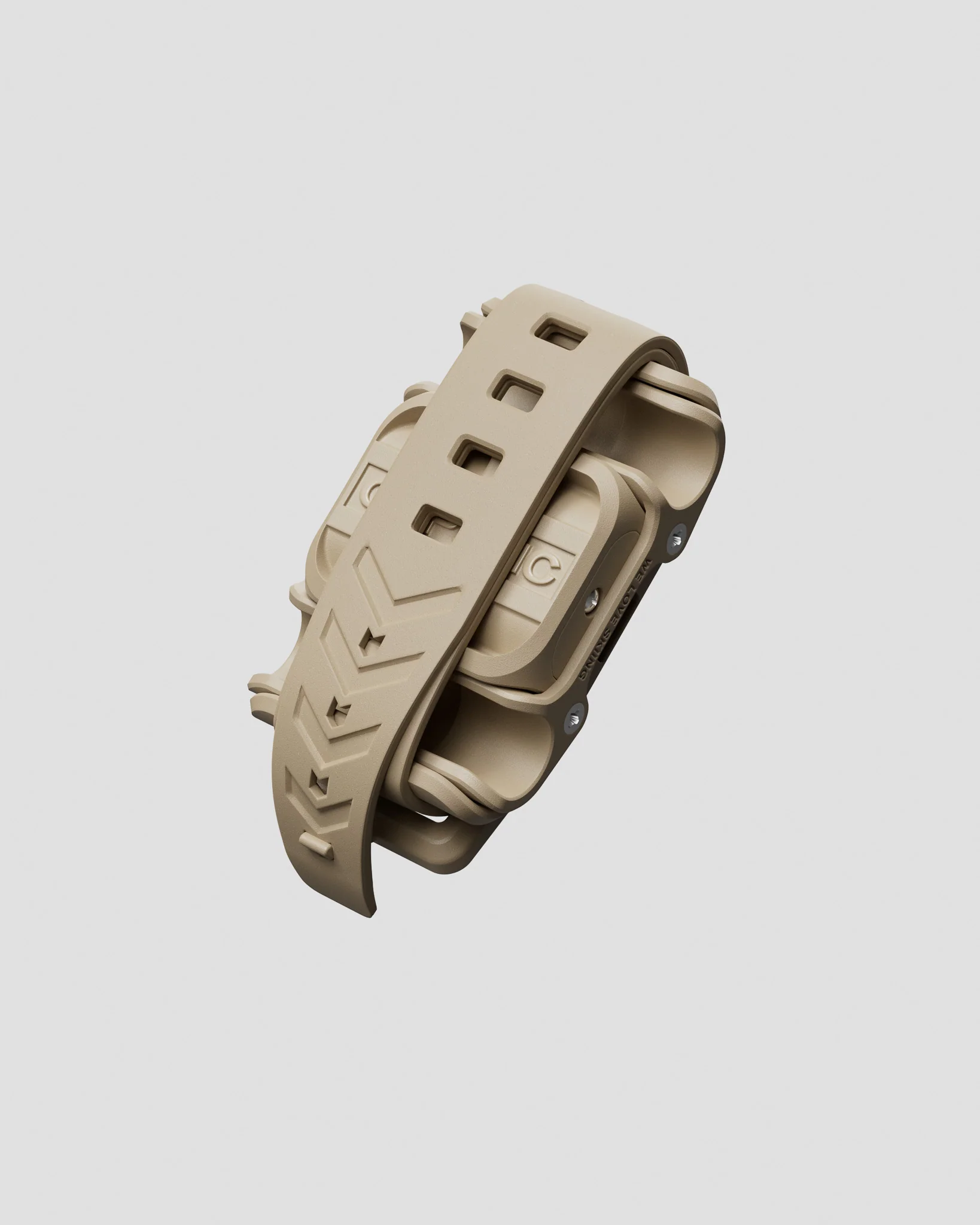
Missing a hand while carrying ski gear?
A friend of mine created Clipstic, the easy way to attach your poles to your skis! Using this link you get 10% off as well as support for Pick-a-ski!
Check it out!Not sure the Optic 104 is your ski?
Answer a few quick questions and the ski selector matches you with the right skis from 800+ models — free, no sign-up.