The Line Blade is an unconventional modern carver: a 95 mm all‑mountain ski with a super‑wide shovel, tight multi‑radius sidecut, and lively Titanal plate. The combination delivers lightning‑quick turn initiation, big edge grip, and a playful, creative feel across the hill.
Key takeaways
- Addictive carve : Short radius and broad tip snap you into turns with surprising bite.
- Playful yet stout : Gas Pedal Metal (Titanal) adds pop and torsional hold without feeling dead.
- Not a GS missile : At very high speed/boilerplate it’s less damp than true on‑piste chargers.
What stands out in the design
- Huge shovel (~154 mm) + 95 mm waist: promotes early tip engagement and confidence in mixed snow.
- Gas Pedal Metal: milled Titanal for torsional stiffness and rebound without excessive weight.
- 5‑Cut sidecut: multiple radii blend for intuitive turn shapes from quick slashes to medium arcs.
On‑snow performance
- Groomers: The Blade lives for short to medium arcs. Edge hold is excellent for 95 mm, and it practically pulls you into the next turn. The tail is supportive yet forgiving, so you can feather or release at will.
- Variable/soft: The big tip helps in soft cord, slush, and a couple inches of fresh. In heavier chopped snow, that massive shovel can deflect if you overcharge.
- Speed: Stable up to high cruising speeds; for flat‑out GS blasting it lacks the tank‑like damping of dedicated hard‑snow skis.
- Bumps/trees: Manageable, but the mega‑shovel requires precise line choice and timing; there are easier bump tools.
Comparisons
- Black Crows Mirus Cor: Similar “fun‑carve” ethos. Mirus Cor is narrower and looser; Blade feels stronger with more bite.
- Elan Ripstick 96: Lighter and more off‑piste friendly, but less locked‑in grip on ice.
- K2 Disruption 78Ti: Far more precise and damp on boilerplate, far less playful all‑mountain.
- Line Blade Optic 96: More damping and top‑end stability; less of the Blade’s extreme carve personality.
Who is it for (and not for)?
- Great for: Intermediates progressing to advanced and experts who love energetic, short‑to‑medium turn carving and creative, across‑the‑hill skiing.
- Not ideal for: Icy regions or skiers prioritizing long, high‑speed GS arcs. Heavy chargers may prefer a Blade Optic 96 or a race‑inspired frontside ski.
Sizing and mounting
- Length: If between sizes, consider sizing up—its short radius already gives plenty of agility and effective edge.
- Mount: Factory line is spot‑on. Going −0.5 to −1 cm can add calmness for aggressive skiers.
Specs and what they mean
- Tip width: ~154 mm (176 cm) – earlier engagement and better planing in soft snow.
- Waist width: 95 mm – all‑mountain stability without feeling sluggish edge‑to‑edge.
- Tail width: ~124 mm – supportive exits with a forgiving release.
- Radius: ~13.5 m (176 cm), multi‑radius – snappy direction changes and versatile turn shapes.
- Weight: ~1850 g per ski (176 cm) – enough mass for damping while staying lively.
- Rocker profile: Directional rocker/camber/rocker – fast initiation, strong mid‑ski grip, smooth release.
- Lengths: 169, 176 cm – size up for more stability and contact.
Note: Specs vary by year and length; these reflect a representative, current 176 cm sample.
Frequently asked questions
Q: How does the Line Blade handle on ice?
A: For a 95 mm all‑mountain carver, edge hold is impressive thanks to Titanal and the aggressive sidecut. If you need maximum hard‑ice composure at high speed, a narrow on‑piste Ti ski remains more planted.
Q: Is the Line Blade good off‑piste?
A: Up to a few inches of fresh and in soft spring snow, yes. In deep or heavy chop, the huge shovel and short radius can get deflected; a wider, damper ski is better there.
Q: What binding and mount point should I use?
A: A solid alpine/all‑mountain binding pairs well. The recommended line is best for most; moving −0.5 to −1 cm can calm the ride for hard chargers.
The neighbourhood
its nearest skis on the map, by character — not by brandQuestions & opinions
User reviews
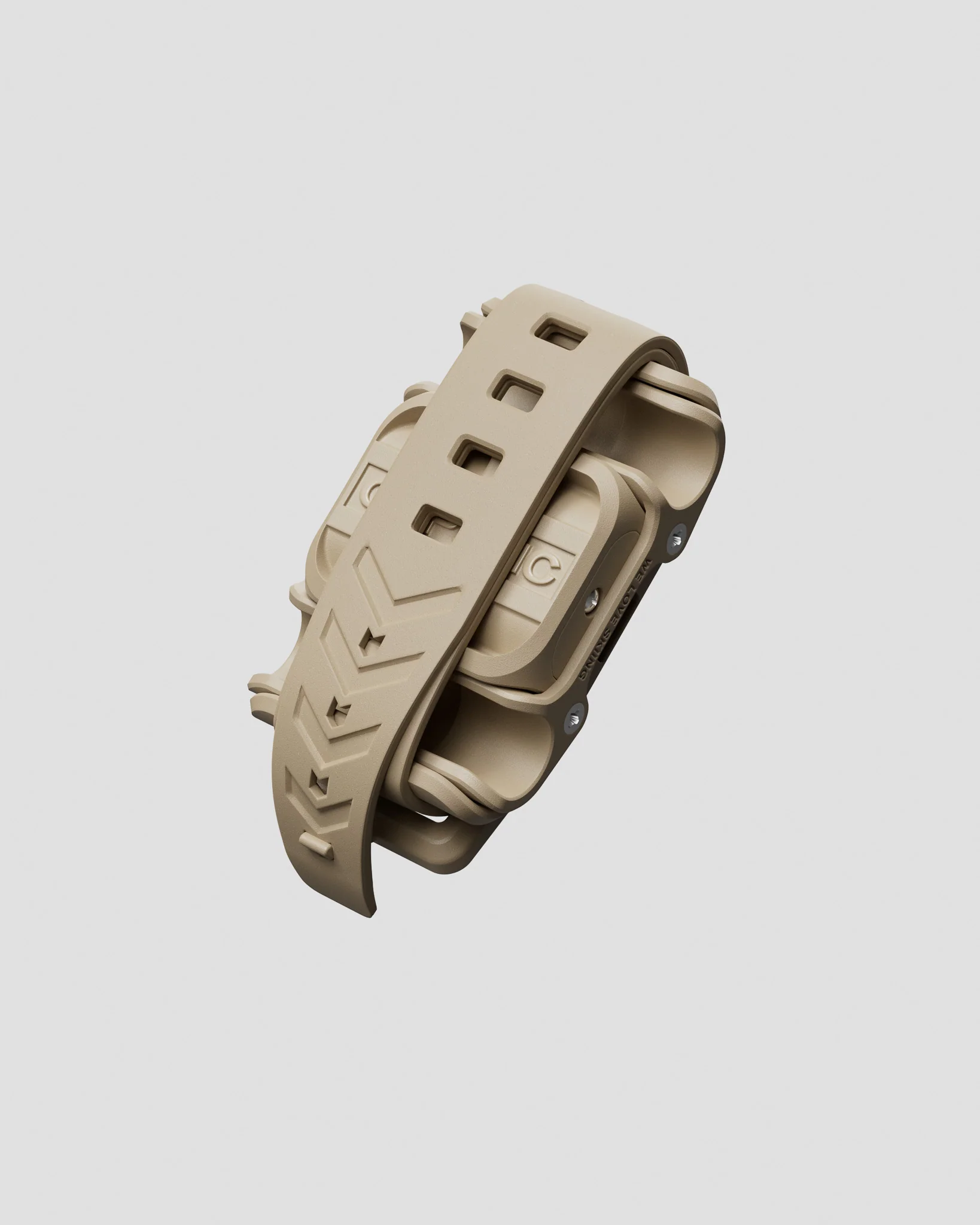
Missing a hand while carrying ski gear?
A friend of mine created Clipstic, the easy way to attach your poles to your skis! Using this link you get 10% off as well as support for Pick-a-ski!
Check it out!Not sure the Blade is your ski?
Answer a few quick questions and the ski selector matches you with the right skis from 800+ models — free, no sign-up.