The Icelantic Pioneer 109 is a directional freeride ski built for skiers who want stability and confidence in soft and mixed conditions without going full metal charger. With a deep tip rocker, supportive tail, and a robust fiberglass build, it balances powder float with edge hold and durability—handmade in Colorado and backed by a 3‑year Bombproof warranty.
On‑snow performance
- Powder & soft snow: The 31 cm tip rocker provides easy planing and smooth turn initiation. Reduced tail rocker keeps the ski driving down the fall line, offering more acceleration than surfy slarves—ideal for directional lines and steeps.
- Chop, crud & variable: The tri‑ax fiberglass, rubber foils, and substantial mass make the Pioneer 109 notably calm in churned snow. It cuts through piles and remains composed at speed, rewarding an engaged, driving stance.
- Groomers & firm: With 5 mm camber and a 17–21 m radius (by length), it holds a reliable edge for its width and prefers medium‑to‑long arcs. It’s not a snappy short‑turn carver, but it’s impressively poised when you lay it over.
- Trees & bumps: Stable and predictable, but you’ll feel some swing weight. Shorter lengths or a centered stance help in tight spaces; the tail is supportive rather than loose.
Construction & specs (what they mean)
- Rocker profile: 31 cm tip rocker · 5 mm camber · 21 cm tail rocker. Big tip rocker = float and easy engagement; modest tail rocker = drive and power out of the turn.
- Dimensions: 144–109–131 mm. Wide tip for lift, 109 mm waist for soft‑snow stability, tapered tail for directional finish.
- Radius: 17 m (174), 19 m (182), 21 m (190). Longer radius = stability and confidence at speed; shorter radius = quicker, tighter turns.
- Weight (per pair, varies by listing): roughly 3.86–4.35 kg per pair across lengths. More mass = better damping and confidence in chop; less playful in bumps/trees.
- Layup: Poplar Power Core with tri‑ax fiberglass, rubber foils, sintered P‑TEX base, Durasurf sidewalls, and 2.2 mm steel edges. Aim: durability, grip, and damping without metal sheets.
- Lengths: 174, 182, 190 cm. Handmade in Colorado; 3‑year warranty.
Sizing and binding advice
- 174 cm: Lighter/shorter skiers or those prioritizing maneuverability in bumps/trees.
- 182 cm: The sweet spot for most advanced/experts as an all‑mountain deep‑day ski.
- 190 cm: For chargers who ski fast, steep, and want max stability.
- Bindings: Alpine or hybrid (Shift/Tecton) for short tours; overall weight is more resort‑focused than long‑tour friendly.
Comparisons
- Nordica Enforcer 110 Free: Heavier, damper, and a touch looser in the tail. Pioneer 109 feels more directional and precise on edge with a lighter swing.
- Blizzard Rustler 11: More playful with softer tips; Pioneer 109 offers a stronger tail and better edge hold.
- Black Crows Atris: Quicker to pivot and more agile; Pioneer 109 is more stable and directional at speed.
- Völkl Katana 108: A metal‑laden powerhouse that can be demanding. Pioneer 109 is more forgiving, though a bit less dead‑calm at warp speed.
Who it’s for / Who should look elsewhere
- For: Directional skiers, patrol, and big‑mountain/all‑mountain riders who value stability, durability, and predictability in deep and mixed conditions.
- Not for: Jibby freestyle riders who want a loose, smeary twin; weight weenies seeking long‑range touring setups.
Key takeaways
- Stable charger: Calm and confidence‑inspiring in chop and at speed.
- Real float: Deep tip rocker keeps you on top in powder.
- Directional tail: Drives and accelerates, less smeary/slashy.
- Built to last: Thick edges, sintered base, 3‑year warranty.
Frequently asked questions
Q: Is the Icelantic Pioneer 109 good for powder?
A: Yes. The 31 cm tip rocker and 109 mm waist provide excellent float. It remains more directional than surfy, offering control and stability in deeper snow.
Q: How does it handle groomers and ice?
A: Surprisingly well for its width. The camber and longer radius deliver secure edge hold for medium‑to‑long arcs. It’s not a short‑turn carver, but it’s reassuring on firm.
Q: What length should I get?
A: Most advanced skiers land on 182 cm. Choose 174 cm for agility or lighter builds; 190 cm if you’re aggressive, tall, or ski fast and steep.
Q: Can I mount a hybrid binding and tour?
A: For short sidecountry laps, yes. The per‑pair weight skews resort‑oriented, so it’s not ideal for big vert or long‑distance touring days.
The neighbourhood
its nearest skis on the map, by character — not by brandQuestions & opinions
User reviews
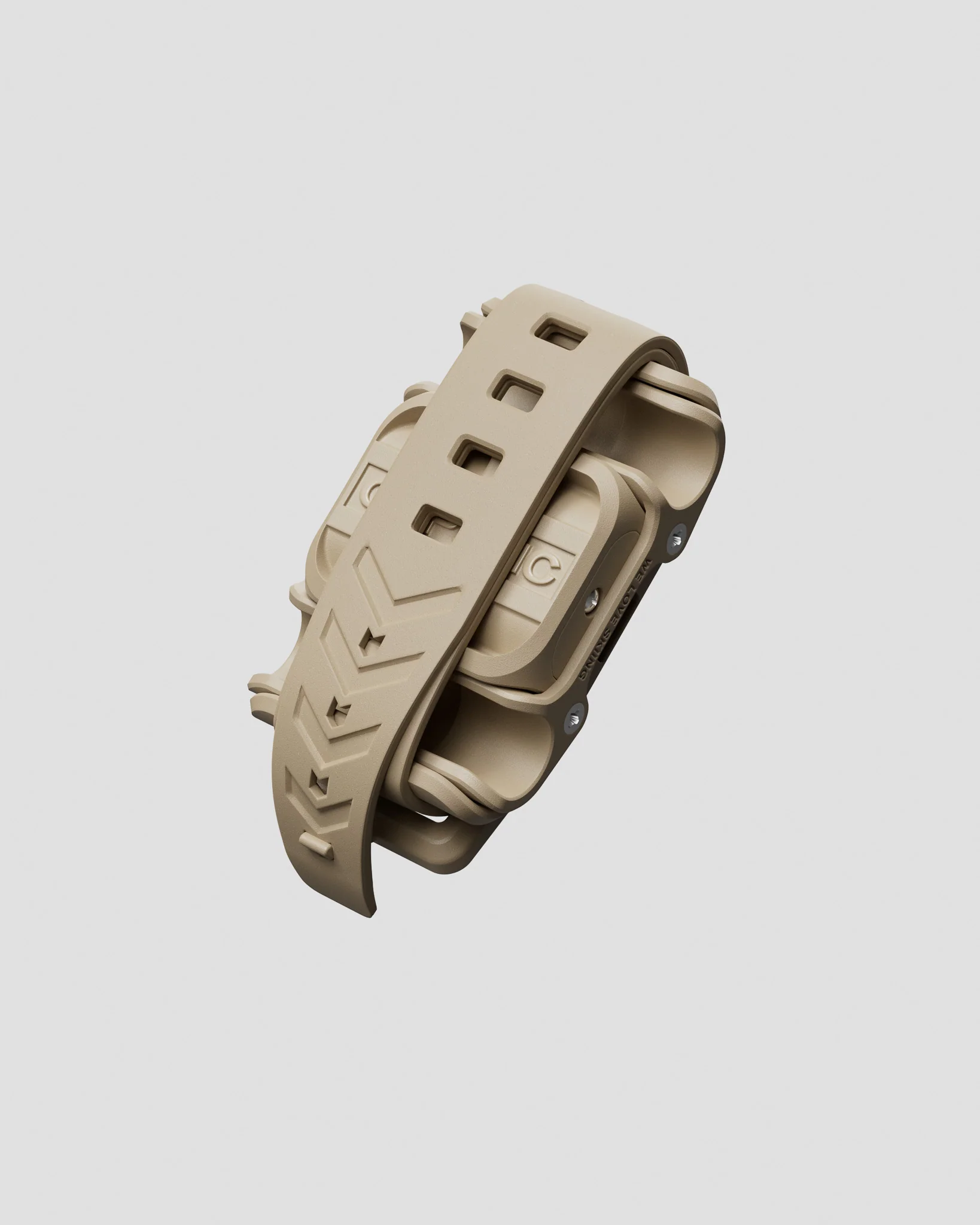
Missing a hand while carrying ski gear?
A friend of mine created Clipstic, the easy way to attach your poles to your skis! Using this link you get 10% off as well as support for Pick-a-ski!
Check it out!Not sure the Pioneer 109 is your ski?
Answer a few quick questions and the ski selector matches you with the right skis from 800+ models — free, no sign-up.