Rc4 worldcup sg junior review
Objective review of the Fischer RC4 Worldcup SG Junior (H‑Plate) for U14/U16: stability at speed, edge grip, length advice, pros/cons, and setup tips for Super‑G.
Who is it for?
Fischer’s RC4 Worldcup SG Junior (H‑Plate) targets U14/U16 speed racers who want rock‑solid stability and edge hold in Super‑G. With a wood core, double Titanal, Air Carbon TI, and a World Cup H‑Plate, it’s a true race tool that rewards committed, technically sound skiing on hard, fast courses.
On‑snow performance
- Stability and damping: At speed, the RC4 SG JR is impressively calm. The double Ti and Air Carbon TI soak up vibration, keeping the ski planted and composed through ruts and ripples.
- Edge grip and precision: On boilerplate, edge hold is dependable and predictable. It prefers positive input—roll it up and it locks a clean, long arc with minimal deflection.
- Turn shape and terrain: This is a long‑radius ski that shines on open, high‑speed sections. In tighter spaces or low speed it feels stout and less forgiving; it needs velocity to come alive.
- Acceleration and glide: The Race Code/WC finish feels fast and free. Power builds smoothly out of the turn without twitchiness.
Plate, setup, and tuning
The World Cup H‑Plate is engineered for Freeflex‑compatible race bindings. The stiff, low‑slung plate delivers direct power transfer and preserves a linear flex for consistent edge contact. The factory tune is race‑level, but regular grind/structure and edge maintenance are key for consistent speed and grip.
Length and radius: how to choose
- 180 cm: about 92‑64‑81 mm, radius ~31–33 m — common for lighter/smaller U14 athletes.
- 188 cm: 92‑63.7‑81 mm, radius ~33 m — a popular U14/U16 middle option.
- 196 cm: 92‑63.9‑80/81 mm, radius ~36–41 m — for stronger/faster U16 or specific venues.
- 204 cm: 92‑63.9‑80 mm, radius ~41 m — longest junior variant in some markets. Select length based on rules, size/strength, and course profile. If you have the power and technique, sizing slightly longer can add stability; otherwise 180/188 cm is the safer sweet spot.
Comparisons
- Atomic Redster SG FIS Jr: similar damping and high‑speed composure; the Fischer feels slightly more neutral in the tail with very consistent grip.
- Head Worldcup Rebels SG RD Team: very direct and powerful; the Fischer matches stability with a touch smoother turn entry.
- Rossignol Hero Athlete SG Pro Jr: a bit friendlier at initiation; the Fischer is stiffer and more settled at top speed.
Key takeaways
- High‑speed stability: excellent thanks to double Ti and Air Carbon TI.
- Edge hold: trustworthy on man‑made hardpack and ice.
- Personality: race‑stiff; best for technical juniors comfortable with velocity.
- Best use: Super‑G courses and hard, open pistes; not an all‑mountain ski.
Potential drawbacks
- Needs speed to wake up; feels demanding at low speed.
- Not very forgiving of passive input—rewards precision and strength.
- No official per‑ski weight published; some setups may feel hefty for smaller athletes.
Specs explained
- Construction: Wood core with double Titanal and Air Carbon TI — delivers torsional stiffness, damping, and edge grip at speed.
- Sandwich sidewall (phenol): efficient power transfer and durability for racing.
- World Cup H‑Plate: a stiff, speed plate for Freeflex bindings that sharpens edge‑to‑edge response while preserving a clean flex line.
- Finish (Race Code/WC tuning): fast factory base/edge prep—an excellent starting point for a race tune.
- Rocker profile: not specified by Fischer; likely traditional race camber (minimal tip rise) to maximize contact length and stability.
- Sidecut: approx. 92 mm tip, 63.7–63.9 mm waist, 80–81 mm tail — narrow waist for bite on hard snow and quick edge engagement.
- Radius: ~31–41 m depending on length — long arcs suited to Super‑G pace and line.
- Lengths: 180, 188, 196, 204 cm — choose per FIS category, size/strength, and venue.
Frequently asked questions
Q: Who should buy the Fischer RC4 Worldcup SG Junior?
A: U14/U16 racers focused on Super‑G who want maximum high‑speed stability and edge grip. It’s a demanding, race‑stiff ski that rewards strong fundamentals and confidence at speed.
Q: What length should I pick for Super‑G?
A: Follow FIS guidelines and your coach’s advice. Generally, lighter U14 athletes use 180 cm; 188 cm is a versatile middle length; 196/204 cm suit stronger U16 and specific courses.
Q: Which bindings fit the H‑Plate?
A: The World Cup H‑Plate is designed for Freeflex‑compatible race bindings. Check manufacturer specs for mounting position and stand height compliance.
Q: Does it have rocker?
A: Fischer doesn’t publish a rocker spec for this model. In practice it behaves like traditional camber—maximizing edge contact and stability for Super‑G.
The neighbourhood
its nearest skis on the map, by character — not by brandQuestions & opinions
User reviews
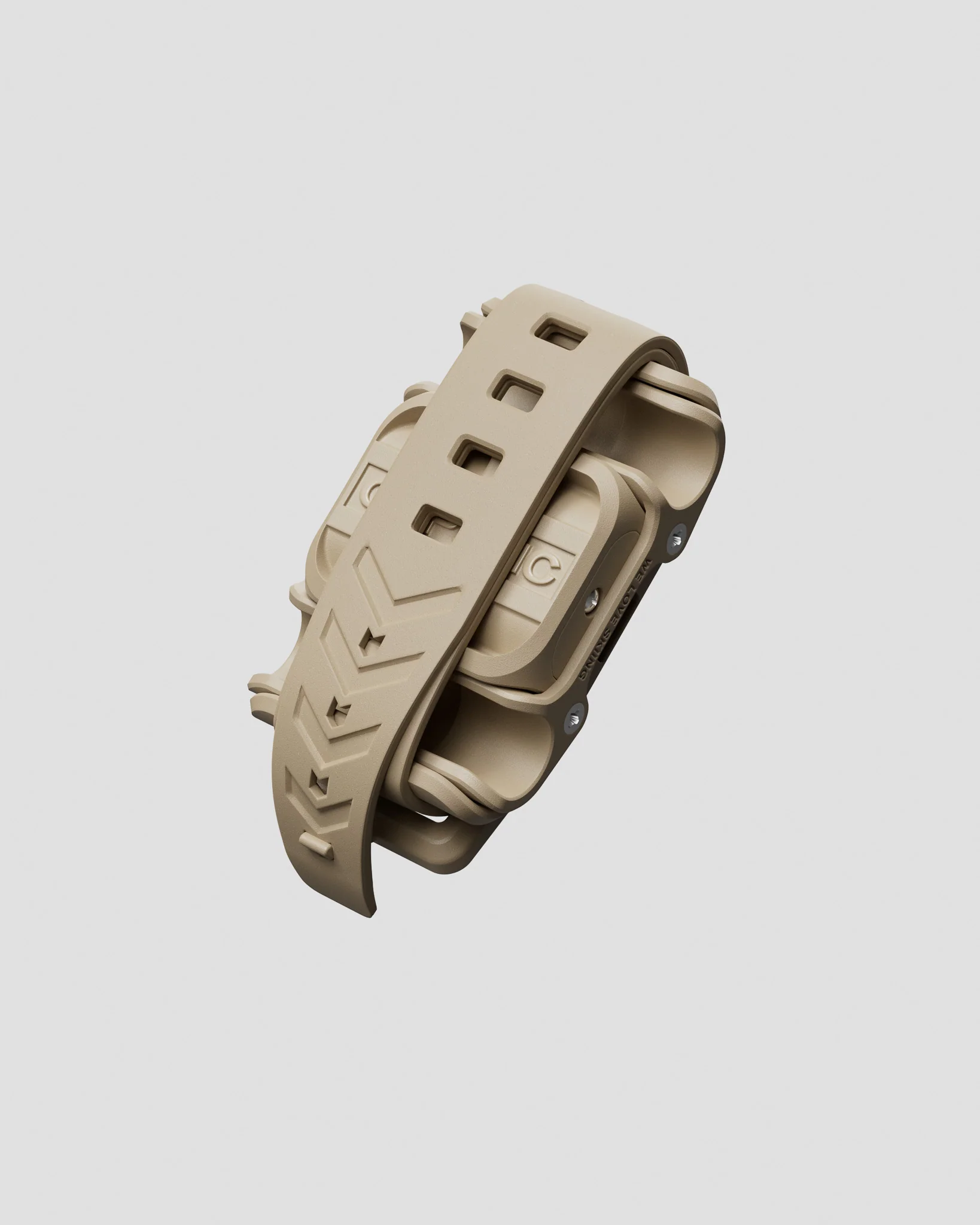
Missing a hand while carrying ski gear?
A friend of mine created Clipstic, the easy way to attach your poles to your skis! Using this link you get 10% off as well as support for Pick-a-ski!
Check it out!Not sure the Rc4 worldcup sg junior is your ski?
Answer a few quick questions and the ski selector matches you with the right skis from 800+ models — free, no sign-up.