Rc4 worldcup dh men review
Objective review of the Fischer RC4 Worldcup DH Men (H‑Plate): build, stability, who it’s for, pros/cons, and how it compares to top-level World Cup DH skis.
The Fischer RC4 Worldcup DH Men is a purpose-built downhill race ski sharing construction DNA with Fischer’s World Cup fleet. It’s not a recreational carver; it’s a stability-first missile for long, fast lines, ice-slicing edge hold, and minimal vibration at the highest speeds. If you’re a FIS or Masters racer—or servicing one—this belongs on your shortlist.
Who is it for?
- Advanced to expert racers who ski long, fast lines and want a very long radius (>50 m).
- Race teams/coaches seeking a durable, predictable DH platform to tune and prep for competition.
- Not suitable for casual skiers or slow speeds; it performs best under load and at speed.
On-snow performance
- Top-speed stability: double Titanal, Air Carbon, and the H‑Plate combine for an ultra-damped, planted ride that keeps chatter in check over rough surfaces.
- Edge hold on ice: sandwich phenol sidewalls and traditional camber reward aggressive pressure with confident bite on boilerplate.
- Rebound and tracking: with 211–218 cm lengths and a >50 m radius, the ski feels locked-in; turn initiation demands speed and commitment.
- Damping vs. agility: phenomenal in a straight line and long arcs; less forgiving at low speeds or in tight turns.
Construction and tech
- Wood core with double Titanal: torsional stiffness and damping for a composed, planted feel at speed.
- Air Carbon: strengthens without excess weight, enhancing precision and response.
- Sandwich Phenol Sidewall: full sidewall for direct power transfer and reliable edge grip.
- World Cup H‑Plate: the race interface for bindings, adding stiffness, lift, and immediate input. (Source: Fischer product page.)
Specs and what they mean
- Rocker profile: traditional camber (race camber). Maximizes effective edge for grip on hard snow and stability at speed.
- Tip width: not published. Tip dimensions influence initiation; DH shapes keep it conservative for stability.
- Waist width: approx. 66–70 mm (varies by source/year). Narrow waist quickens edge-to-edge and boosts hold on ice; aligns with FIS speed rules by season.
- Tail width: not published. More conservative tails aid tracking and smooth release without “hook.”
- Radius: >50 m (very long DH radius). Built for long, fast arcs—not short carved turns.
- Weight: not specified. Race rooms rarely publish it; varies by length/year. Weight contributes to damping and stability.
- Available lengths: 211, 216, 218 cm (varies by year/region). Longer skis add stability; choose with your coach within FIS guidelines.
Note: exact figures and tunes vary by length/model year; verify FIS compliance and the specific tech sheet for your pair.
Mounting and setup notes
- The World Cup H‑Plate requires a compatible race binding (Fischer/Tyrolia, Marker, Look/Rossignol). Mounting, lift, and forward pressure are critical for performance and FIS setup.
- Have a race service handle tune and prep (base/edge bevels, structure, wax) to unlock glide and edge hold.
Comparisons
- Head Worldcup Rebels DH: similar damping and locked-in feel; selection often comes down to service network and athlete preference.
- Atomic Redster DH: likewise very planted; known for direct power via its race plate.
- Rossignol Hero DH / Salomon S/Race DH: top-tier alternatives with World Cup pedigree; final choice hinges on availability, service, and preferred feel.
Pros and cons
- Pros:
- Unflinching high-speed stability and damping
- H‑Plate delivers direct power transfer and precise input
- Predictable grip and tracking on hard/icy snow
- World Cup build quality and consistency across pairs
- Cons:
- Demanding; underwhelming at low speed
- Very limited versatility outside DH/SG contexts
- Long lengths require strong technique and fitness
- Exact sidecut/weight often not publicly specified
Key takeaways
- Pure DH tool: built for straight-line composure, long radius, and maximum stability.
- Traditional camber + double Titanal: grip and damping on ice and rough surfaces.
- H‑Plate race interface: binding choice and tune heavily shape the on-snow feel.
Frequently asked questions
Q: Is the Fischer RC4 Worldcup DH Men FIS legal?
A: It depends on model year/length. Waist (~66–70 mm) and length (211–218 cm) align with FIS speed norms, but always verify current FIS rules and your ski’s tech sheet.
Q: Can I use it as a daily groomer ski?
A: No. The >50 m radius and stiffness demand speed and space. A GS or frontside carver will be far more enjoyable for daily use.
Q: What length should I choose?
A: As a guideline, heavier/faster racers often choose 216–218 cm; lighter/shorter athletes may prefer 211 cm. Consult your coach and course profiles.
Q: What bindings fit the H‑Plate?
A: Use a compatible World Cup race binding (e.g., Fischer/Tyrolia Race, Marker Comp, Look/Rossignol R22-compatible). Have a race service mount and adjust them.
The neighbourhood
its nearest skis on the map, by character — not by brandQuestions & opinions
User reviews
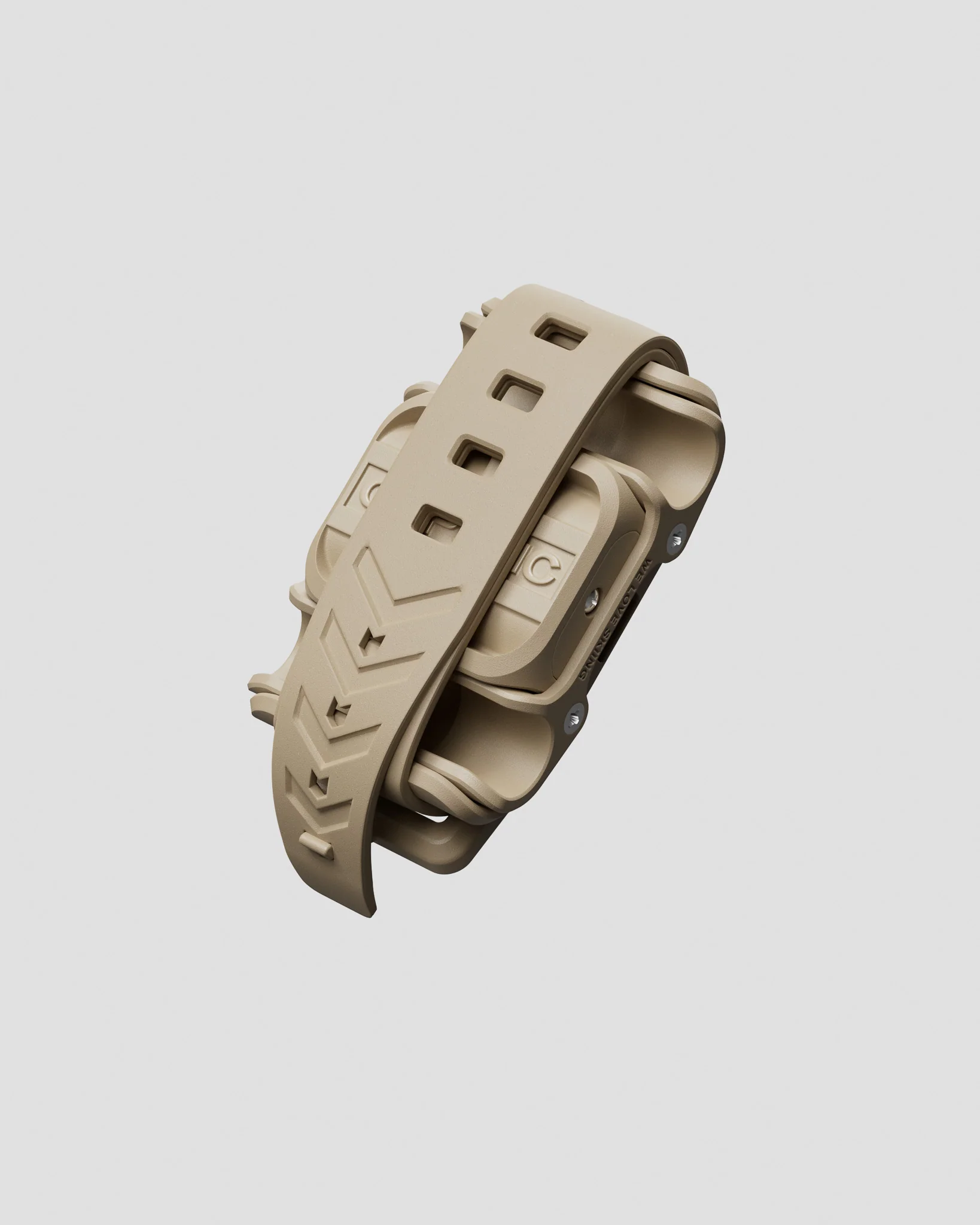
Missing a hand while carrying ski gear?
A friend of mine created Clipstic, the easy way to attach your poles to your skis! Using this link you get 10% off as well as support for Pick-a-ski!
Check it out!Not sure the Rc4 worldcup dh men is your ski?
Answer a few quick questions and the ski selector matches you with the right skis from 800+ models — free, no sign-up.