Overview
Fischer’s Ranger 96 hits the modern all‑mountain sweet spot: stable and confidence‑inspiring at speed, yet nimble and playful in trees, bumps, and soft snow. A long, smooth tip rocker and moderate tail rocker ease turn initiation and release, while Shaped Ti 0.5 adds edge hold and damping. At ~96 mm underfoot, it’s a true daily driver for advanced to expert skiers who divide time between groomers, variable snow, and side‑hits.
Key takeaways
- Calm yet lively: Titanal inlay tames chatter without killing energy.
- Easy to steer: Freeski rocker engages and releases smoothly in any snow.
- Versatile width: 96 mm balances carving precision with off‑piste float.
- Not a specialist: On boilerplate it won’t match a race‑room carver; in deep storms you’ll want something wider.
On‑snow performance
- Groomers/hardpack: Strong edge grip with a predictable, round turn shape. The 15–19 m sidecut radii excel at medium‑radius arcs but are happy to go shorter or longer as needed.
- Chop and crud: Above‑average damping for the weight; the forebody stays composed through refrozen chunder and afternoon piles.
- Soft snow/powder: The long tip rocker planes up nicely. It’s still 96 mm—great up to ~20–25 cm; for snorkel days, consider the Ranger 102/108.
- Moguls/trees: Moderate weight and a subtly turned‑up tail make speed checks and pivots intuitive. Supportive tail, but not hooky.
Construction and specs (what they mean)
- Rocker profile: Freeski tip‑and‑tail rocker with camber underfoot. Easier turn start and slarves, with camber delivering grip and rebound on edge.
- Dimensions and radius: Example 173 cm = 128‑96‑119 mm, 17 m. Waist width dictates stability/float; sidecut radius signals how naturally it wants to turn (17–19 m = stable, confidence‑building).
- Weight: About 1610–2100 g per ski by length. More mass = more damping and stability; here, Fischer strikes a good balance with maneuverability.
- Core/laminates: Beech/Poplar wood for snap; Shaped Ti 0.5 for torsional grip and composure without making it brick‑heavy.
- Sidewalls/base: Full sandwich sidewalls for precise power transfer; sintered base for speed and wax retention.
- Tail type: Partial twin—easier to release and ride switch occasionally, but oriented to directional all‑mountain use.
Note: Specs and weights vary slightly by model year/SKU.
Sizing and mount
- Length: Roughly skier height for all‑round use; +5–10 cm if you’re stronger, faster, or more off‑piste focused; go a bit shorter for trees/bumps or lighter riders.
- Mount point: Start on the factory line. Go +1 to +2 cm for a more playful, centered feel; 0 to −1 cm for a more directional, GS‑like stance.
Comparisons
- Nordica Enforcer 94: Damper and more powerful at speed, but heavier and less playful than the Ranger 96.
- Salomon QST 98: Looser and more surfy in soft snow; the Ranger offers crisper edge hold on firm mornings.
- Blizzard Rustler 9/10: Freeride‑forward and playful; Ranger is calmer and more carve‑friendly on piste.
- Elan Ripstick 96: Very light and quick; less composed in heavy chop vs. the Fischer.
- Head Kore 97: Precise and ultra‑light; can feel nervous in refrozen crud compared with the Ranger’s damping.
Who it’s for (and not for)
- Ideal: Advanced to expert skiers wanting a single ski to handle groomers, crud, and moderate powder with a blend of stability and agility.
- Not ideal: Ice‑coast carvers who demand race‑ski bite, multi‑foot powder days, or long human‑powered tours (consider wider or lighter options).
Frequently asked questions
Q: What length should I choose in the Fischer Ranger 96?
A: Go around your height for all‑round use. Size up +5–10 cm if you’re aggressive or off‑piste focused; size down slightly for trees/bumps or a lighter build.
Q: How does the Ranger 96 handle ice and hardpack?
A: Shaped Ti 0.5 delivers reliable grip and damping. It won’t equal a dedicated race carver on blue ice, but for an all‑mountain ski the edge hold is confidence‑inspiring.
Q: Is the Ranger 96 a good one‑ski quiver?
A: Yes for many resorts with mixed conditions—it bridges groomers, crud, and moderate powder. For deep storm cycles or big tours, go wider or lighter respectively.
The neighbourhood
its nearest skis on the map, by character — not by brandQuestions & opinions
User reviews
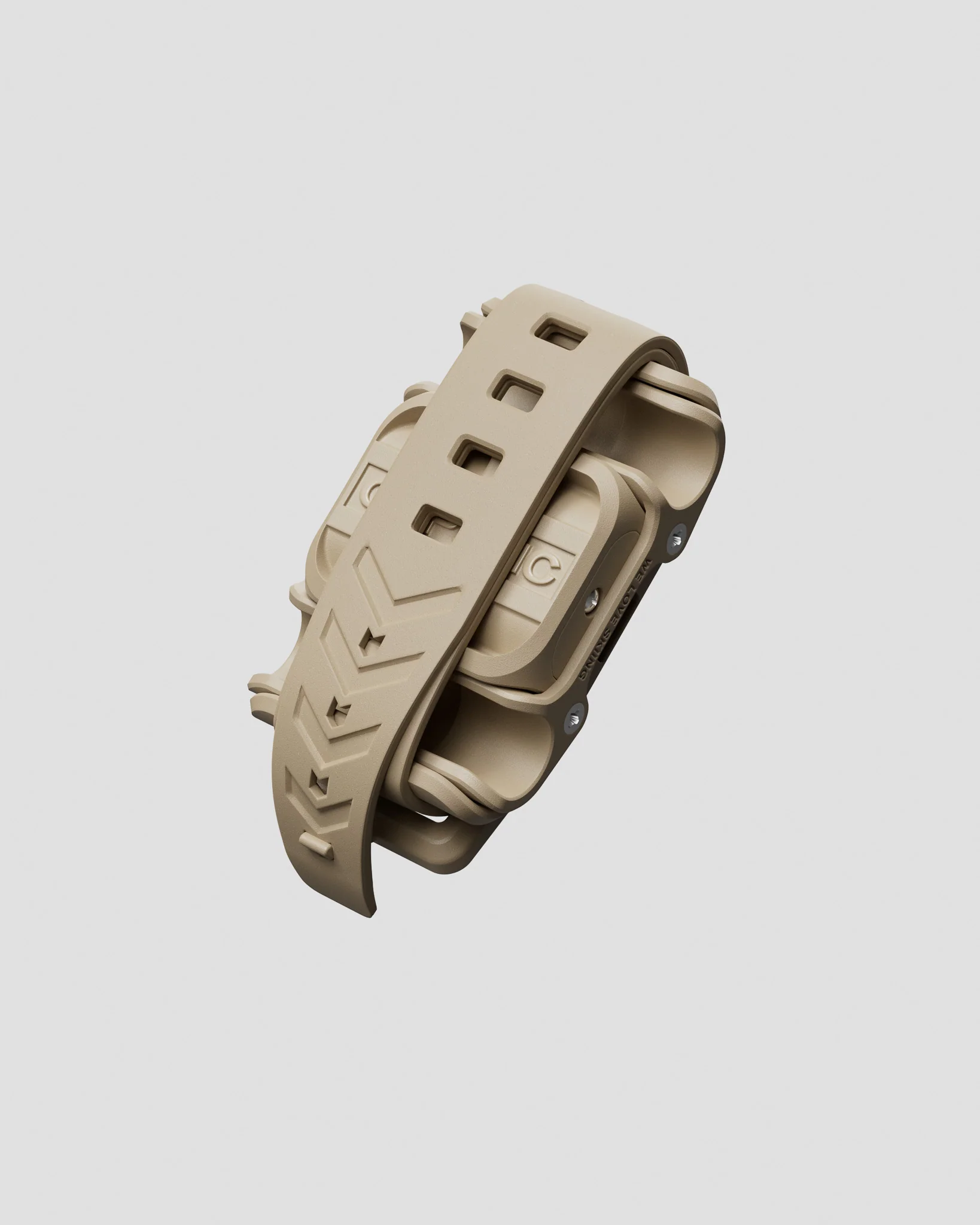
Missing a hand while carrying ski gear?
A friend of mine created Clipstic, the easy way to attach your poles to your skis! Using this link you get 10% off as well as support for Pick-a-ski!
Check it out!Not sure the Ranger 96 is your ski?
Answer a few quick questions and the ski selector matches you with the right skis from 800+ models — free, no sign-up.