Overview
The Ripstick 108 is a versatile freeride ski aimed at riders who spend a lot of time off-piste. With a 108 mm waist and pronounced tip and tail rocker, it offers excellent flotation in soft snow while remaining playful in tighter terrain. A camber underfoot helps retain edge hold and pop on firmer surfaces, making the ski surprisingly capable on mixed days. Its lightweight construction keeps it lively and reduces fatigue. Overall, it suits advanced riders who want an all-mountain freeride tool that’s fun and adaptable.
On-snow performance
On snow the Ripstick 108 excels in powder and chopped-up snow, where its width and rocker allow you to surf and pivot easily. In trees and short-radius turns it feels nimble and forgiving, inviting creative line choices. On groomers it holds an edge for medium turns but won’t match the precision and high-speed dampening of heavier, piste-focused skis. At speed the ski can feel a touch lively; riders who prioritise absolute stability at high velocity may prefer stiffer alternatives, but many will appreciate the energetic feel.
Construction and technology
Construction-wise the ski pairs a lightweight wood core with targeted reinforcements, often including carbon or fiberglass laminates to boost pop and torsional stiffness without excess weight. The rocker-camber-rocker profile gives a surfy tip and tail with camber underfoot for engagement. This blend produces a responsive, snappy ski that’s forgiving in variable snow. It’s not designed as an ultra-damped, power-oriented downhill weapon; if you want maximum stability and vibration absorption at high speed, look at heavier boards with more metal or thicker cores.
Tech specs explained
Key specs explained: rocker profile describes how much tip and tail rise there is and affects flotation and turn initiation; tip width (around 138 mm) helps with powder buoyancy; waist width (108 mm) balances off-piste float and on-piste agility; tail width (around 124 mm) influences release and stability in soft snow; weight (about 1750 g per ski at 179 cm) impacts swing weight and rider fatigue; radius (approximately 19 m at 179 cm) gives a sense of the ski’s preferred turn arc; available lengths commonly include 165, 172, 179, and 186 cm.
Who should buy? Pros & cons
Who should buy it? This ski is ideal for riders who want a playful yet capable freeride ski that floats in powder, handles chopped snow, and encourages surfy skiing. Pros: excellent float, lively feel, light weight, and versatility. Cons: less top-end stability and damping compared with heavier freeride or gravity-focused skis; not the ultimate choice for carve-obsessed piste skiers. Comparable skis include the Blizzard Rustler 10 and Salomon Stance, which differ slightly in stability, flex, and responsiveness.
The neighbourhood
its nearest skis on the map, by character — not by brandQuestions & opinions
User reviews
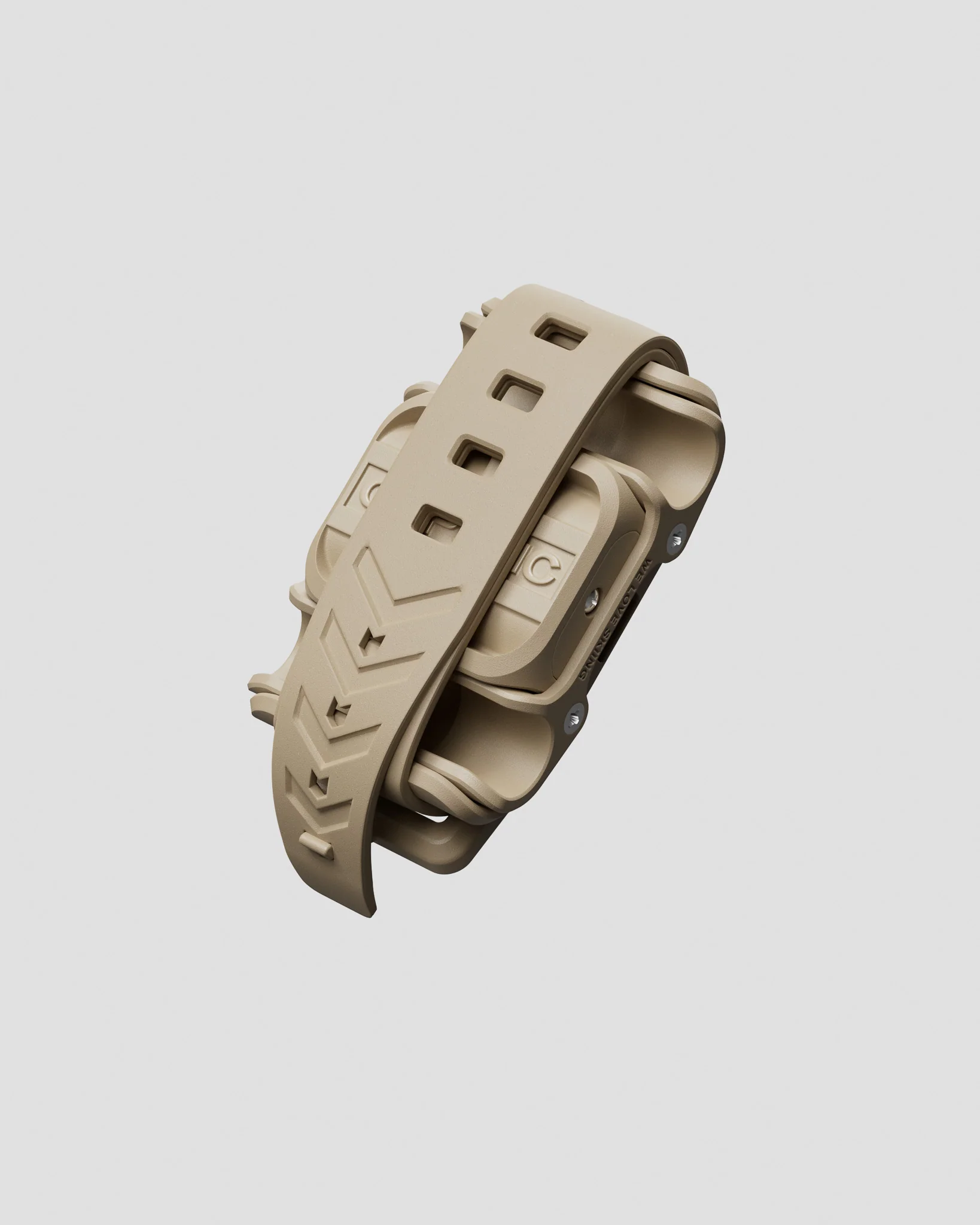
Missing a hand while carrying ski gear?
A friend of mine created Clipstic, the easy way to attach your poles to your skis! Using this link you get 10% off as well as support for Pick-a-ski!
Check it out!Not sure the Ripstick 108 is your ski?
Answer a few quick questions and the ski selector matches you with the right skis from 800+ models — free, no sign-up.