Overview
The Primetime family is pitched as a versatile all-mountain range blending accessibility and stability without specialising in a single snow condition. This review highlights the common traits across the line and what to realistically expect on groomers and off-piste. Because there are several variants (N4/N4+, 22/33/44 etc.), exact specs change between models; below I outline the characteristics most Primetime skis share and how small changes in construction tune the feel for women’s-specific, unisex or more performance-oriented versions.
On-piste performance
On groomed runs the Primetime tends to deliver a dependable mix of edge hold and predictability. It usually feels more responsive than beginner skis and offers enough stability at higher speeds without becoming overly stiff or tiring. Shorter lengths are playful and quick, while longer skis provide added stability and larger turn radii. For skiers who spend most time on piste but want the option to pick up speed, the Primetime strikes a comfortable balance between responsiveness and forgiveness.
Off-piste and mixed snow
In variable snow and light off-piste terrain the Primetime remains surprisingly capable, especially the wider variations. A moderate tip rocker combined with camber underfoot and a supportive tail aids flotation and turn initiation on softer snow. They are not deep-powder specialists, so expect limitations in very deep snow, but for mixed conditions, wet snow and short excursions off groomers they provide the all-mountain versatility recreational freeriders need.
Construction and what the specs mean
Construction typically uses a wood core with targeted reinforcements (fiberglass or metal) and an all-mountain rocker/camber profile. Each technical spec — tip/waist/tail, radius, weight and rocker profile — directly affects performance: waist width governs flotation and edge bite, radius defines preferred turn size, weight affects agility and fatigue, and rocker/camber balance controls turn initiation and rebound. Exact dimensions vary by variant; tell me which Primetime you want and I’ll supply precise numbers.
Who should buy this ski?
Who should buy a Primetime? It suits recreational to advanced all-mountain skiers seeking a forgiving yet capable daily driver for mixed conditions. Compared to rivals, the Primetime often feels more playful than race-focused skis and more secure than pure beginner skis. Potential drawbacks include limited deep-powder performance and a somewhat softer, less aggressive character than competition-targeted performance skis.
The neighbourhood
its nearest skis on the map, by character — not by brandQuestions & opinions
User reviews
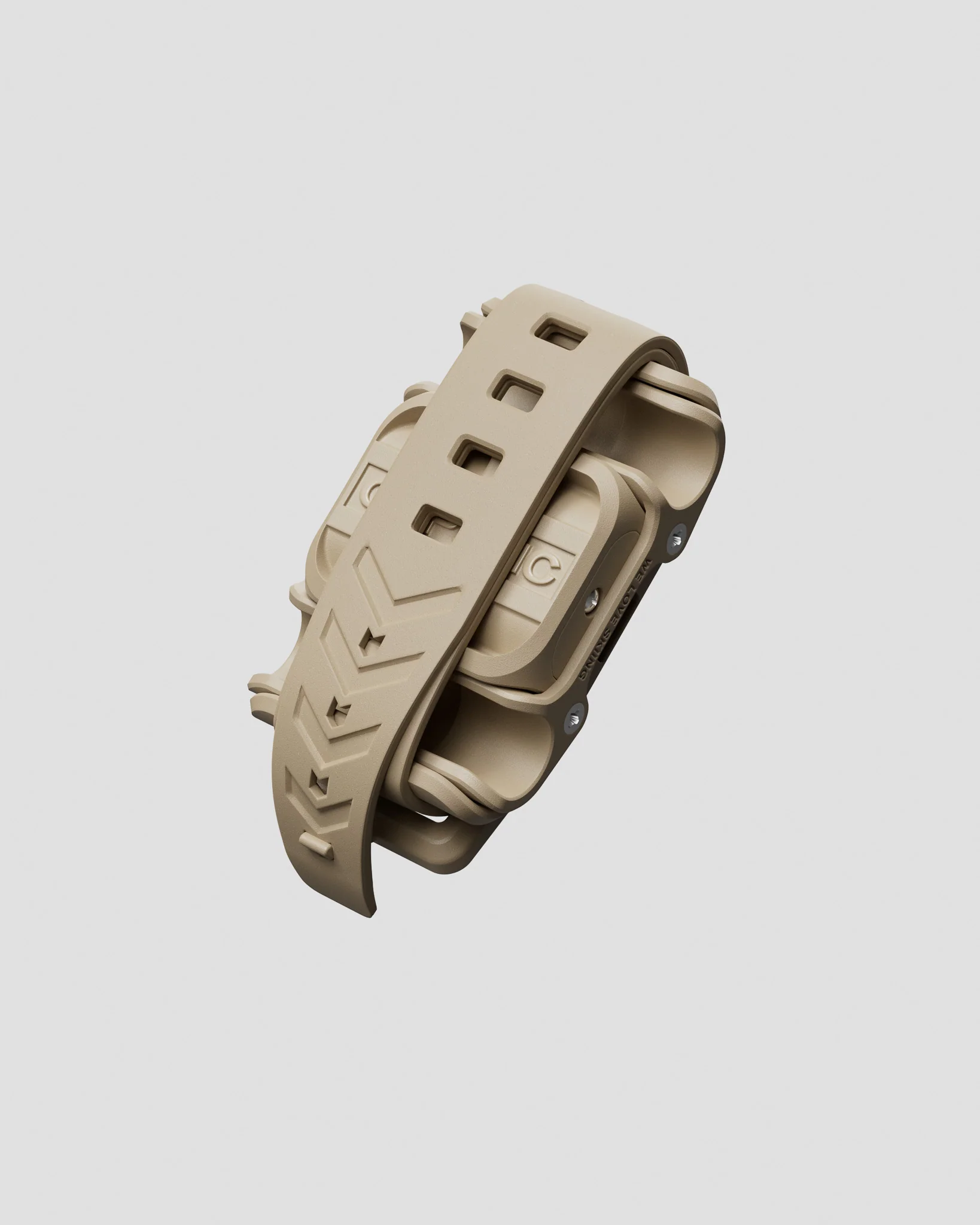
Missing a hand while carrying ski gear?
A friend of mine created Clipstic, the easy way to attach your poles to your skis! Using this link you get 10% off as well as support for Pick-a-ski!
Check it out!Not sure the Primetime is your ski?
Answer a few quick questions and the ski selector matches you with the right skis from 800+ models — free, no sign-up.