Superlite 175 review
In‑depth Dynafit Superlite 175 review: specs, weight, DIN, brakes, uphill efficiency, downhill performance, pros and cons, with comparisons to ATK and Marker.
Chassis
tech · alpine touringKey takeaways
- Featherweight uphill: 175 g per binding keeps climbs fast and efficient.
- Adjustable lateral release (Z10 4–10, Z12 5–12); vertical release via interchangeable U‑spring.
- Optional brakes (75/90/105 mm) and 20 mm heel adjustment plate add convenience at a weight cost.
- Skis confidently for its mass, but with less elasticity than heavier freeride‑oriented tech bindings.
- Best for light & fast touring and alpine missions; less ideal for repeated drops or very aggressive skiing.
What it is
The Dynafit Superlite 175 is a frameless pin (tech) alpine‑touring binding in Dynafit’s Speed category. It’s a minimalist yet surprisingly capable binding offered in two versions: Z10 (lateral DIN 4–10) and Z12 (lateral DIN 5–12). Vertical (forward) release is set by swapping U‑springs. You can retrofit ski brakes (75/90/105 mm), add an adjustment plate (~20 mm heel travel), and attach crampons. Ice Breaker Pins at the toe help clear ice from boot inserts for easier step‑in.
Uphill performance
At 175 grams per binding, the Superlite 175 makes elevation feel easier. The low mass pays dividends over long days, and the two climbing levels (half‑step and full riser) cover most gradients without fuss. Toe lock‑out is secure, stride feels natural, and reduced swing weight is immediately noticeable.
Downhill and release behavior
For its weight, the Superlite 175 delivers impressively direct power transfer. Lateral release is adjustable (choose Z10 or Z12), while vertical release is tuned via interchangeable U‑springs. Expect less elastic travel than on burlier all‑mountain/freeride tech bindings; there’s a bit less “forgiveness” in awkward landings or high‑torsion turns. Pair the right U‑spring with brakes and an appropriate ski, and the downhill confidence is excellent for a speed‑focused binding.
Strengths and trade‑offs
- Pros: ultra‑light, reliable lateral release, simple climbing aids, modular add‑ons (brakes/plate), Ice Breaker Pins, Dynafit lifetime guarantee.
- Pros: versatile from fast tours to alpine mountaineering; strong skiing performance for the weight.
- Cons: vertical release isn’t micro‑adjustable (U‑spring dependent); less elasticity than bindings with greater travel.
- Cons: brakes/plate add weight; without the plate, heel length tolerance is limited when swapping boots.
Specs and what they mean
- Type of binding: Tech / Alpine Touring (frameless pin). Maximizes uphill efficiency; requires boots with tech inserts.
- DIN / release: Z10 4–10 (lateral), Z12 5–12 (lateral); vertical via U‑spring. You can dial lateral retention precisely; vertical retention is changed by swapping springs.
- Elastic travel: not specified. Generally less travel than heavier bindings; means a bit less margin before release in compressions/twists—typical for speed/race‑leaning designs.
- Brake width: 75/90/105 mm (optional). Match brake to ski waist (≈ waist + up to ~15 mm).
- Weight: 175 g per binding (no brake/plate); ~319 g with brake + plate. Lower weight boosts uphill speed but usually reduces damping/elasticity downhill.
- Compatibility: tech‑insert boots only; optional plate offers ~20 mm heel adjustment. Many touring boots (ISO 9523) include inserts; alpine‑only ISO 5355 boots without inserts won’t work.
- Materials: 7075 aluminum, stainless steel, reinforced polymers. Made in Germany; impressive durability for such a light package.
Comparisons
- ATK Raider 12: heavier (>300 g with brake), more elasticity and adjustability, often a more composed feel at speed. Superlite is lighter and simpler for pure touring.
- Marker Alpinist 12: slightly heavier (without brake) with very good skiing manners; vertical release also via U‑springs. Superlite wins on grams.
- Salomon MTN/MTN Summit: similar U‑spring concept; typically adds comfort/features at the cost of weight.
- Plum Oazo 8/12: comparably light, clean design with multiple spring options. Dynafit stands out for brake options and parts availability.
Who is it for?
Ski tourers who prioritize weight and efficiency but still want dependable downhill performance. Ideal for fast vert, technical missions, and big days. Less suited to riders chasing repeated airs, high‑speed chop, or maximum binding elasticity.
Frequently asked questions
Q: Should I choose the Z10 or the Z12?
A: Lighter/cautious skiers on narrower skis are often well served by the Z10; bigger or more aggressive skiers on wider skis may prefer the Z12. Remember vertical release is U‑spring based—pick a spring that matches your weight and style.
Q: Do I need brakes, or are leashes fine?
A: Brakes add safety and convenience on steeps and firm snow and may be required in some regions. Leashes are lighter but demand discipline; choose based on terrain, local rules, and your preferences.
Q: Can I mount without the adjustment plate?
A: Yes, but heel length tolerance is minimal, so swapping boots is tricky. The optional ~20 mm plate is recommended if you anticipate using multiple boots or want mounting flexibility.
Q: Are crampons compatible?
A: Yes. The toe accepts crampons via Dynafit’s interface/adapter. Choose a width that matches your ski waist and intended conditions.
Verdict
The Dynafit Superlite 175 delivers exceptional uphill efficiency with downhill performance that overachieves for its weight. If you tour light and fast and don’t mind tuning vertical release via U‑springs, it’s one of the most compelling speed‑binding choices available.
Questions & opinions
User reviews
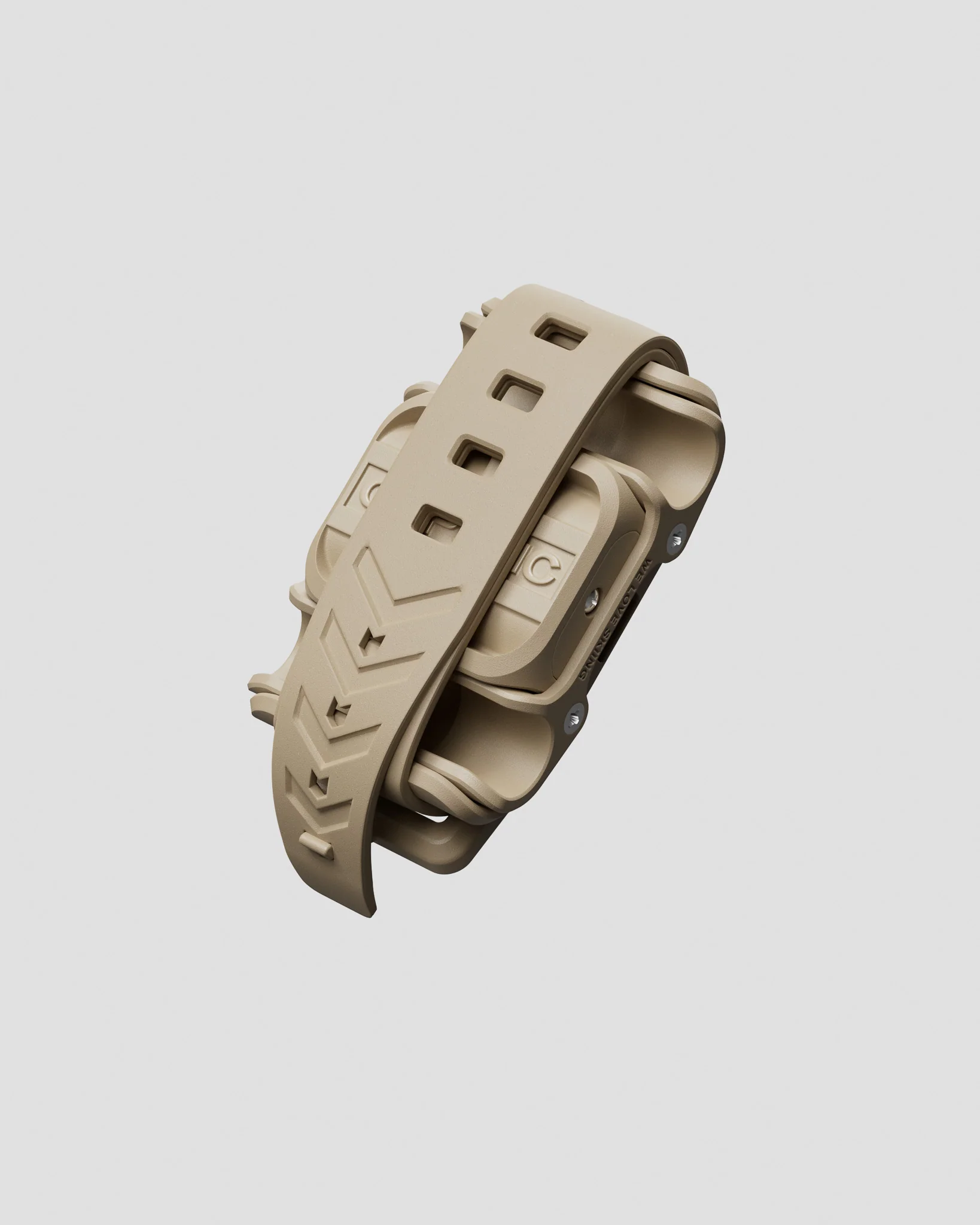
Missing a hand while carrying ski gear?
A friend of mine created Clipstic, the easy way to attach your poles to your skis! Using this link you get 10% off as well as support for Pick-a-ski!
Check it out!