St rotation 14 review
Dynafit ST Rotation 14 tech binding reviewed: DIN 7–14, 10 mm travel, 605 g. Honest pros/cons, comparisons, who should buy, and setup tips for freeride touring.
Chassis
tech · alpine touringDynafit’s ST Rotation 14 sits at the burly end of the brand’s rotational‑toe tech line. With a 7–14 DIN range, 10 mm of forward pressure/elastic travel, and a claimed 605 g per binding, it targets aggressive ski tourers who want trustworthy downhill performance without giving up pin‑binding efficiency on the skin track.
Who is it for?
- Advanced to expert tourers/freeriders who prioritize retention and predictable release.
- Skiers mounting wider, heavier skis for variable snow and higher speeds.
- Not for ultralight minimalists or anyone without tech‑compatible boots.
What stands out (pros and cons)
-
- Rotational toe reduces unwanted pre‑release and improves release consistency.
-
- 10 mm forward pressure keeps release values consistent as skis flex; more composed feel at speed.
-
- Step‑In Side Towers and Hub‑Centering make stepping in easier in real snow.
-
- Three climbing aids, automatic brake lock in walk mode, and crampon slot add touring practicality.
- – At ~605 g per binding it’s not ultralight; heavier than minimalist tech options.
- – Step‑in can still be fiddly in deep or wind‑affected snow versus alpine‑style hybrids.
- – Tech‑boot only compatibility limits resort crossover for non‑tech footwear.
On‑snow performance
Uphill
Weight is reasonable for full‑day tours and hut trips, and the Speed Step risers switch quickly with a pole. The auto brake lock in walk mode is secure on sidehills. Crampon compatibility is a plus for icy approaches.
Downhill
The rotating toe and 10 mm of elastic heel travel (forward pressure) shine when the ski bends hard—landings, chopped snow, and firm groomers. Retention feels notably more “alpine‑like” than many light tech bindings, while release remains predictable. It’s still a pin binding, so damping is limited versus heavier hybrid systems, but edge hold and power transfer are very solid.
Ease of use & durability
Step‑In Side Towers help center boots for quicker entry; Hub‑Centering reduces the “hunt” for pins. Ice‑Breaker pins limit ice buildup. The forged aluminum, high‑tech plastics, and stainless steel construction feels robust, and Dynafit backs it with a lifetime guarantee (registration required).
Comparisons
- Dynafit ST Rotation 10: lighter and cheaper with a lower max DIN. Choose the 14 if you’re heavier or ski faster/steeper lines.
- Fritschi Tecton 13: more alpine‑like heel feel and strong power on hardpack, but heavier and mechanically more complex.
- Marker Kingpin 13: powerful alpine‑style heel; good descending, but heavier and less efficient for big vert days.
- Salomon/Atomic Shift 13: best alpine performance in ski mode, yet far heavier and more involved for touring transitions.
- G3 Ion 12: simpler and lighter, but with less elasticity and no rotating toe; less forgiving during deep ski flex.
Specs explained
- Type of binding: Alpine Touring, Tech (pin) — prioritizes uphill efficiency with pin inserts; requires tech boots.
- DIN range: 7–14 — broad adjustability for heavier or aggressive skiers; higher DIN = stronger retention.
- Elastic travel: 10 mm — heel forward pressure that stabilizes release values as the ski flexes and rebounds.
- Brake width: 90/105/120 mm — select ~5–15 mm wider than your ski waist for best fit and stopping power.
- Weight: ~605 g per binding — a balanced weight for serious touring with stout downhill capability.
- Compatibility: tech/pin boots only (ISO 9523 with inserts) — not for alpine soles without tech fittings.
- Materials: aluminum, stainless steel, plastic — durable and stiff where needed without a weight penalty.
Key takeaways
- Rotational toe + 10 mm forward pressure = reliable release through deep flex.
- DIN 7–14 suits strong, fast, or heavier riders on wider skis.
- About 605 g hits a sweet spot for big‑day touring with real downhill confidence.
- Flexible setup: 90/105/120 mm brakes and 45 mm BSL adjustment.
Frequently asked questions
Q: Who should choose the ST Rotation 14?
A: Advanced/experts who want pin‑binding efficiency with increased downhill security. The 7–14 DIN and rotational toe add margin for heavier skiers and rougher terrain.
Q: How does it compare to Shift or Tecton?
A: Shift and Tecton feel more alpine in ski mode and can transmit power better on‑piste, but they’re heavier. The Rotation 14 is lighter and tour‑friendlier, with standout release consistency.
Q: Is it okay for resort days?
A: Yes with tech boots, but expect less damping than full alpine bindings. For frequent resort skiing, a hybrid like Shift/Tecton may be preferable.
Also compared
3 pairsQuestions & opinions
User reviews
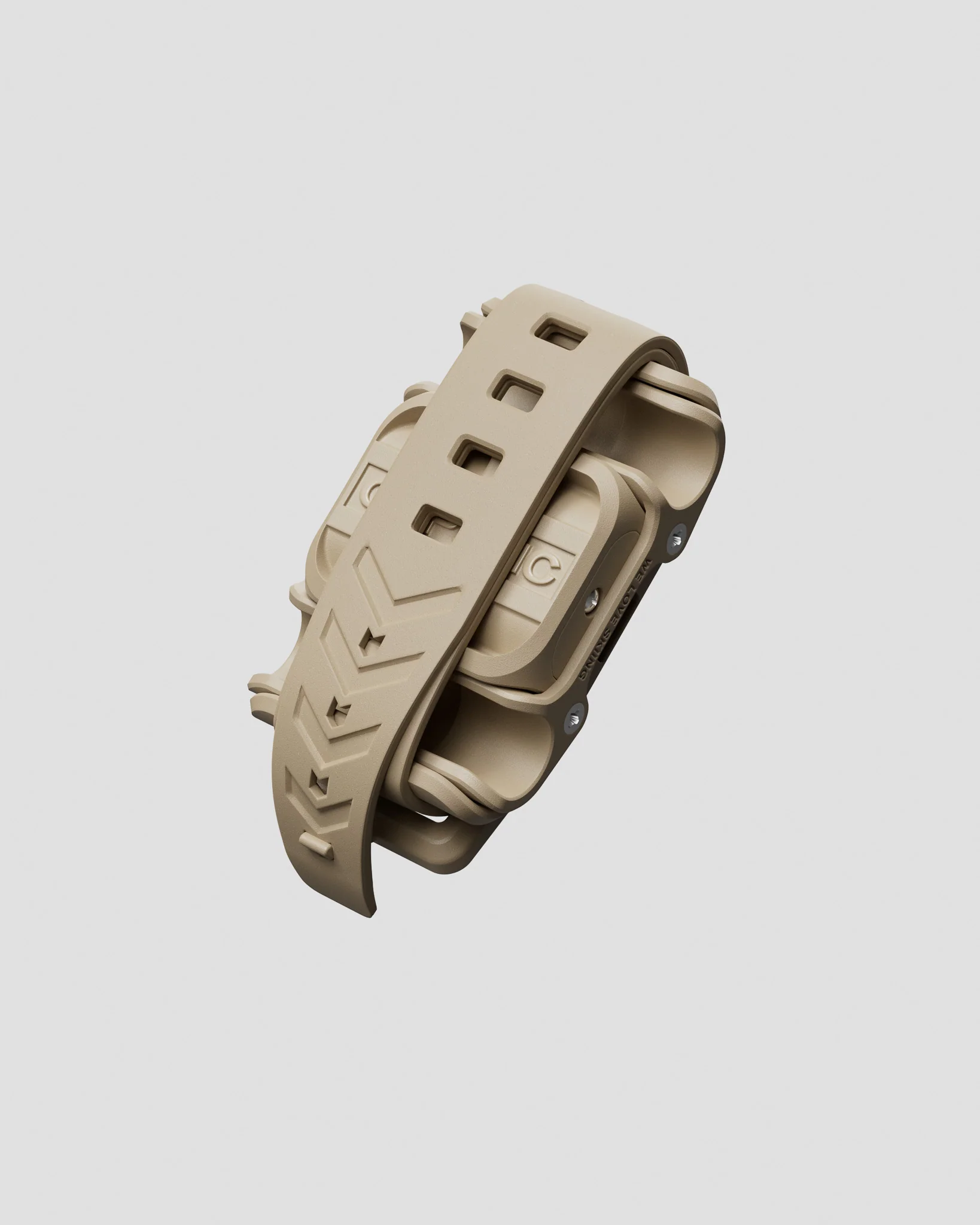
Missing a hand while carrying ski gear?
A friend of mine created Clipstic, the easy way to attach your poles to your skis! Using this link you get 10% off as well as support for Pick-a-ski!
Check it out!