The Blizzard Zero G 105 is a lightweight, wide touring ski that punches above its weight on the descent. With Carbon Drive 3.0, a paulownia core, and early-rise tip/tail with camber underfoot, it feels more precise and confidence-inspiring than many 105 mm touring options. Bottom line: excellent uphill efficiency, standout edge hold for the class, solid float for mid-winter tours, but not the damp bulldozer you’d pick for inbounds chop.
What stands out
- Torsional grip without the grams: Carbon Drive 3.0 delivers strong edge hold and power transfer while keeping swing weight low.
- Directional, long-radius shape: Bigger, composed turns with supportive tails; prefers a forward, purposeful stance.
- True touring weight: Around 1545 g/ski in 180 cm—efficient on the skintrack, credible on the way down.
On-snow performance
- Powder & soft snow: The early-rise tip helps the 105 mm waist plane up quickly. It’s not an ultra-slashy surf stick, but it’s stable, supportive, and rewards a smooth, fall-line approach.
- Variable & windbuff: Impressively calm and grippy for the weight, with a long turn radius that likes to open it up. In heavy chop or refrozen crud you will feel more vibration—stay active and light on your feet.
- Firm & steeps: Excellent edge hold for a touring ski. The factory 0.9°/87.5° tune bites well for sidehilling and jump turns. It won’t feel as dead-calm as a heavier freeride ski, but it is predictable and precise.
- Trees & tight spots: Low mass keeps it nimble. Moderate tail rocker allows pivoting, though the ski remains more directional than playful.
Uphill efficiency
Light, efficient, and with good skintrack traction thanks to camber underfoot. Partial sidewall and reinforced binding zone add trust in screw retention and power transmission with pin bindings—useful on long days and bigger lines.
Stability and speed limit
For its weight, stability is strong. There is, however, a ceiling in chopped resort conditions. Heavier or very aggressive skiers should size up to raise the speed limit.
Build and specs explained
- Rocker profile (tip/tail rocker + camber): Easier float and turn initiation in soft snow, with camber for grip and rebound on firm surfaces.
- Sidecut radius: 18/20/23/24 m (164/172/180/188). Longer radius = composure at speed and bigger arcs; less snappy in short turns.
- Dimensions (mm): Tip/tail scales with length (e.g., 180 cm is 133-105-119). More tip width boosts float; a supportive tail with light rocker gives security on the exit of turns.
- Weight: Roughly 1320–1660 g per ski by length—saves energy on the climb; expect less damping in rough snow vs heavier skis.
- Carbon Drive 3.0: 3D uni-directional carbon with bi-directional carbon underfoot for torsional control, direct power, and binding retention.
- Sidewall (partial ABS): Durability and edge hold where you need it, with weight shaved where you don’t.
- Factory edge angles (0.9° base / 87.5° side): A relatively bitey stock tune that helps on firm snow; consider refining to preference.
Sizing quick take
Most all-round tourers 70–85 kg will be happy on 180 cm. Go 188 cm if you’re 85+ kg, ski fast, carry heavy packs, or like open terrain. Choose 172 cm for lighter riders or technical/steep objectives; 164 cm for smaller skiers or ultralight missions.
Mounting and binding tips
- Recommended: Pin-tech touring bindings. A light-to-midweight pin binding (around 300–700 g) best matches the ski’s intent.
- Brake width: 105–110 mm. Pair with skins ~105–110 mm underfoot.
Comparisons
- Atomic Backland 107: Lighter-feeling and surfier, but with less torsional bite on hard snow. Zero G 105 feels more precise and confidence-inspiring on steeps.
- Salomon QST Echo 106: Slightly heavier and more forgiving/damped in chop; less precise on ice. Zero G 105 climbs more efficiently and holds a stronger edge.
- Black Crows Corvus Freebird: More damping and a higher speed ceiling, but notably heavier on the climb.
- DPS Pagoda Tour 106 C2: Very light and smooth with a refined carbon feel, but pricier and not as grabby on true ice as the Blizzard.
- Blizzard Zero G 95: Faster on the up and better on firm; the 105 adds float and confidence for midwinter conditions.
Potential drawbacks
- Less damping in heavy, refrozen, or tracked snow; vibrations are more noticeable than on heavier skis.
- Directional and long-radius—less slashy/playful than some 105-mm tour skis.
- Sharp factory tune can feel grabby on groomers unless detuned to taste.
Key takeaways
- Lightweight with real downhill chops: efficient up, composed down.
- Class-leading edge hold and precision for a 105-mm touring ski.
- Not a resort bulldozer—active technique still pays dividends in rough snow.
Frequently asked questions
Q: Who is the Blizzard Zero G 105 for?
A: Ski tourers who want low weight, trustworthy edge grip, and enough float for mid-winter powder. It suits technical lines, long days, and riders who value precision over freestyle playfulness.
Q: Can I ski the Zero G 105 inbounds?
A: Occasionally, yes—especially on soft snow. But it won’t match the damping and mass of a dedicated inbounds freeride ski in chopped conditions.
Q: What length should I choose?
A: Most all-rounders at 70–85 kg will prefer 180 cm. Size up to 188 cm if heavier/aggressive or with big packs; go 172 cm (or 164 cm) for lighter riders or steep/technical objectives.
Q: What bindings pair best?
A: Pin-tech touring bindings. Choose a light-to-midweight pin for the best balance; heavy alpine bindings don’t suit the ski’s purpose.
The neighbourhood
its nearest skis on the map, by character — not by brandQuestions & opinions
User reviews
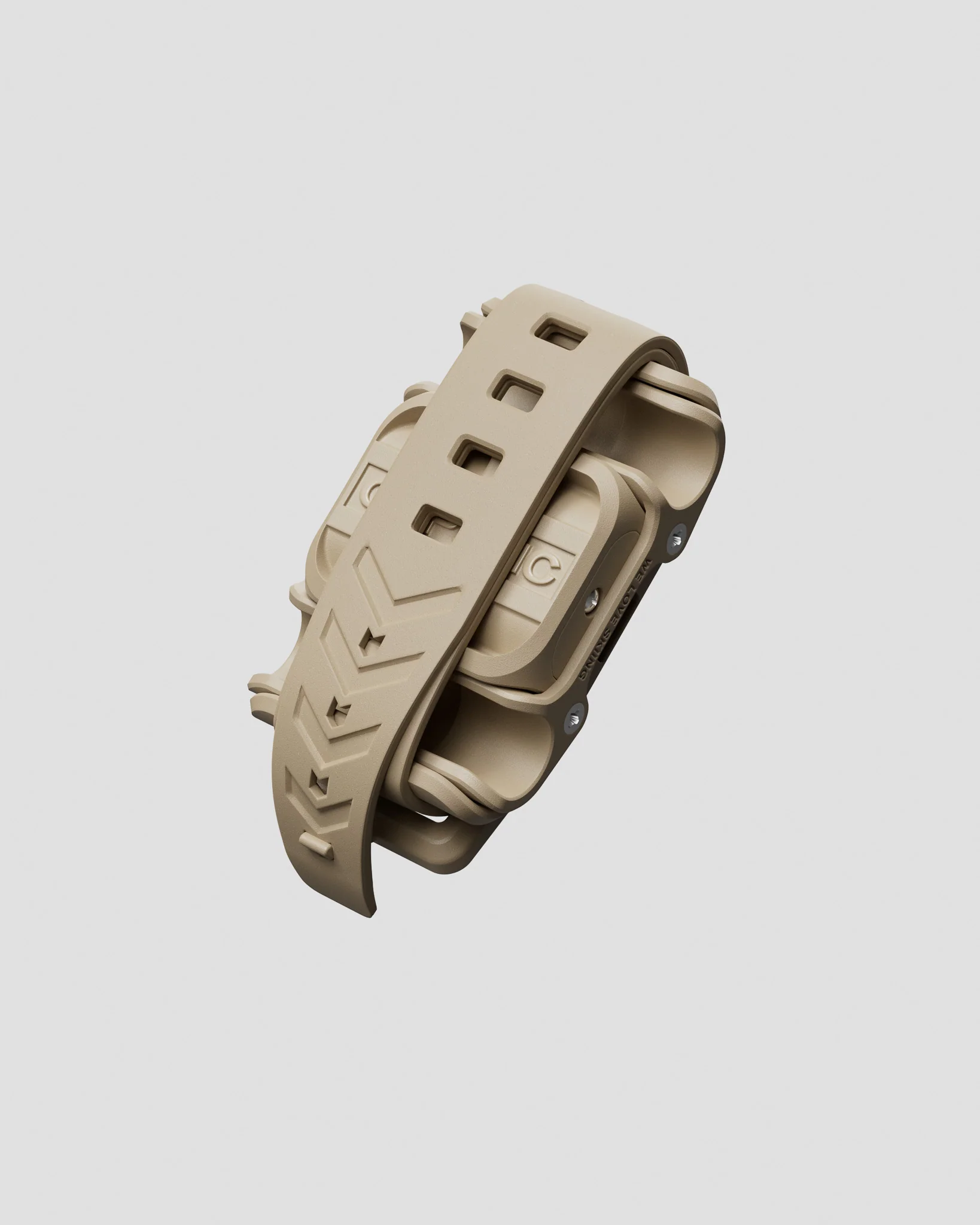
Missing a hand while carrying ski gear?
A friend of mine created Clipstic, the easy way to attach your poles to your skis! Using this link you get 10% off as well as support for Pick-a-ski!
Check it out!Not sure the Zero g 105 is your ski?
Answer a few quick questions and the ski selector matches you with the right skis from 800+ models — free, no sign-up.