The Black Crows Orb Freebird is a benchmark light touring ski that blends uphill efficiency with rare composure on the descent. At 90 mm underfoot with a progressive tip rocker and classic camber, it feels quick on the skintrack and confident when the snow turns firm or variable.
What stands out
- Efficient on the climb: low weight and a flat/early‑rise tail make kick turns and skin handling easy.
- Surprising stability downhill: damping and edge hold exceed expectations for this weight class.
- True all‑rounder: at home on refrozen mornings, spring corn, and mixed snow; adequate float for moderate powder.
On‑snow performance
- Uphill/approach: The low mass (about 1250–1500 g per ski by length) and neutral stance make traverses predictable. It tracks well and doesn’t feel hooky.
- Firm/icy snow: Classic camber plus ABS sidewalls deliver strong edge grip. The ~18 m radius inspires confidence in medium turns without feeling locked in.
- Variable/chopped: For a light touring ski, the Orb Freebird is impressively calm. Carbon/fiberglass laminates with a titanal plate underfoot keep chatter in check better than many ultralight peers.
- Powder/soft: At 90 mm, the light front rocker provides decent float up to ~20 cm. In deeper, slower snow you’ll want something wider (Navis/Corvus Freebird), but for mixed tours this profile is ideal.
Construction and specs (what they mean)
- Rocker profile: light/progressive tip rocker + camber + early‑rise tail. Easier turn initiation and float, with camber for bite and rebound; tail remains tour‑friendly for skin clips and anchors.
- Tip width (~126–127 mm): adds planing support and calms the tip in chop.
- Waist (90 mm): quick edge‑to‑edge and strong bite on hard surfaces; less float than 95–100 mm.
- Tail width (~110–112 mm): predictable finish and reliable skin‑clip hold.
- Radius (~18 m): versatile—stable at speed yet happy to tighten with some input.
- Weight (~1250–1500 g per ski): efficient on big days; enough mass for downhill composure without spoiling the climb.
- Lengths: 155.2, 161.1, 167.2, 173.1, 179.3, 184.1 cm—choose near body height, size up for more stability.
Mounting and bindings
- Recommended mount around -10 cm (neutral, touring‑oriented).
- Titanal plate underfoot improves compatibility with hybrid bindings (e.g., Salomon Shift, Marker Kingpin) and boosts power transfer.
Sizing tips
- Tech terrain and tight spaces: body height or -1 to -3 cm for maximum agility.
- All‑mountain descents and bigger turns: body height or +0 to +3 cm for added composure.
- Lighter riders tend shorter; heavier/aggressive riders tend longer.
Comparisons
- Blizzard Zero G 95: lighter and stiffer; climbs even more efficiently but feels twitchier in rough snow. Orb Freebird is calmer and more forgiving.
- Salomon MTN 96 Carbon: a touch wider and looser in powder; Orb is crisper with superior edge hold on true hardpack.
- Dynafit Blacklight 95: much lighter; superb for vertical gain, with less vibration damping than the Orb Freebird.
Pros and cons
- Excellent balance of weight and downhill stability.
- Strong edge hold for a 90 mm touring ski.
- Tour‑friendly tail and reinforced binding zone.
− Less float than 95–100 mm skis in deep, slow powder.
− Not as playful as fully rockered, wider touring boards.
Key takeaways
- Grip and damping: above average for its class.
- Climbing: light, efficient, dependable.
- Best use: spring tours, mixed conditions, and technical lines where precision matters.
Frequently asked questions
Q: Who is the Black Crows Orb Freebird for?
A: Ski tourers who want to keep weight down without sacrificing downhill confidence. It’s a reference ski for mixed conditions and technical routes.
Q: How should I pick length?
A: Around body height for all‑round use; go shorter for tight terrain and longer for stability/float. Heavier or aggressive skiers usually size up.
Q: Which bindings pair well?
A: Classic pin‑tech bindings for light touring work great. Thanks to the titanal plate, hybrid bindings (Shift/Kingpin) are also a solid choice for stronger descents.
The neighbourhood
its nearest skis on the map, by character — not by brandQuestions & opinions
User reviews
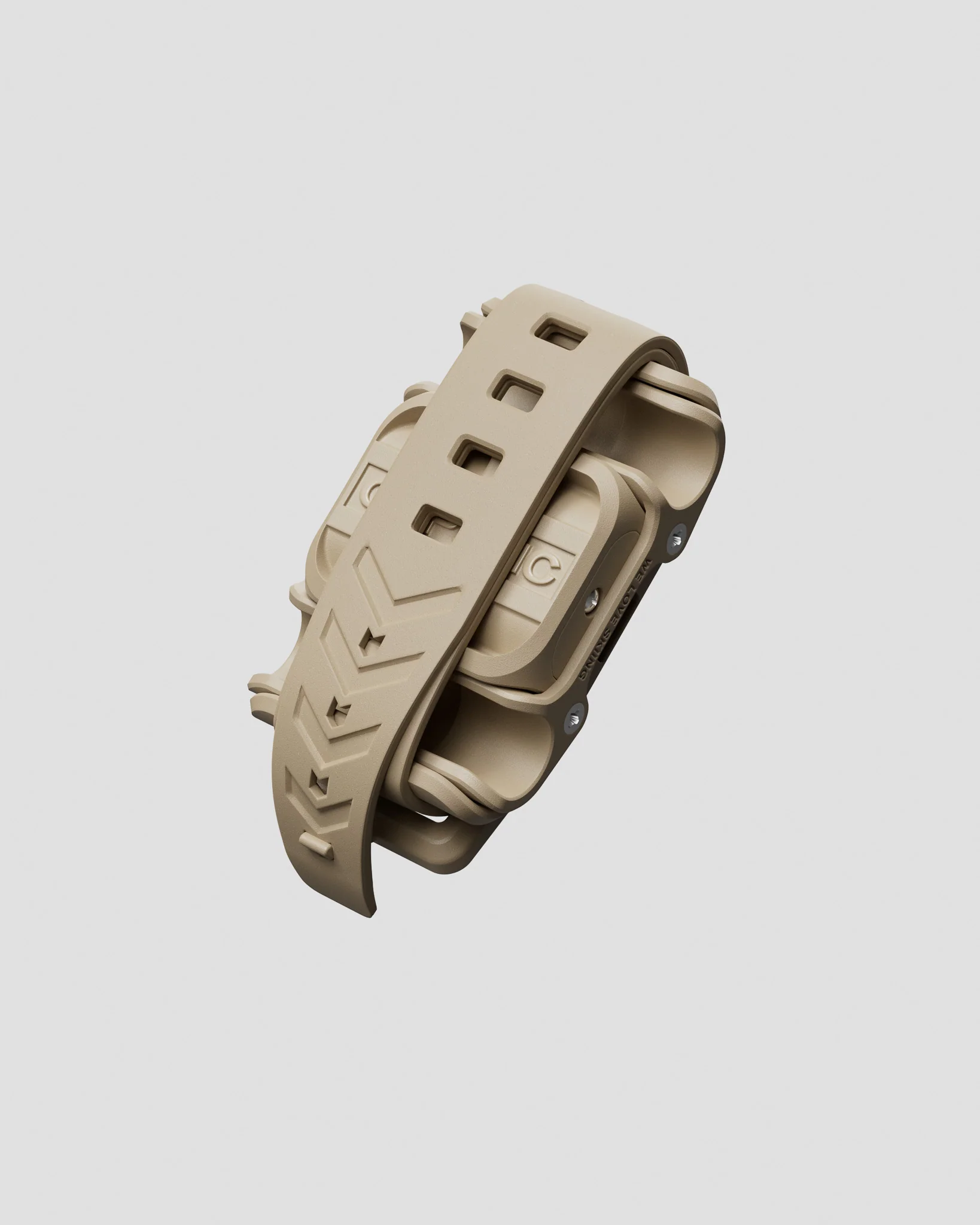
Missing a hand while carrying ski gear?
A friend of mine created Clipstic, the easy way to attach your poles to your skis! Using this link you get 10% off as well as support for Pick-a-ski!
Check it out!Not sure the Orb freebird is your ski?
Answer a few quick questions and the ski selector matches you with the right skis from 800+ models — free, no sign-up.